
British Mother Bahamas Tragedy Sparks Heartbreaking Words From Husband
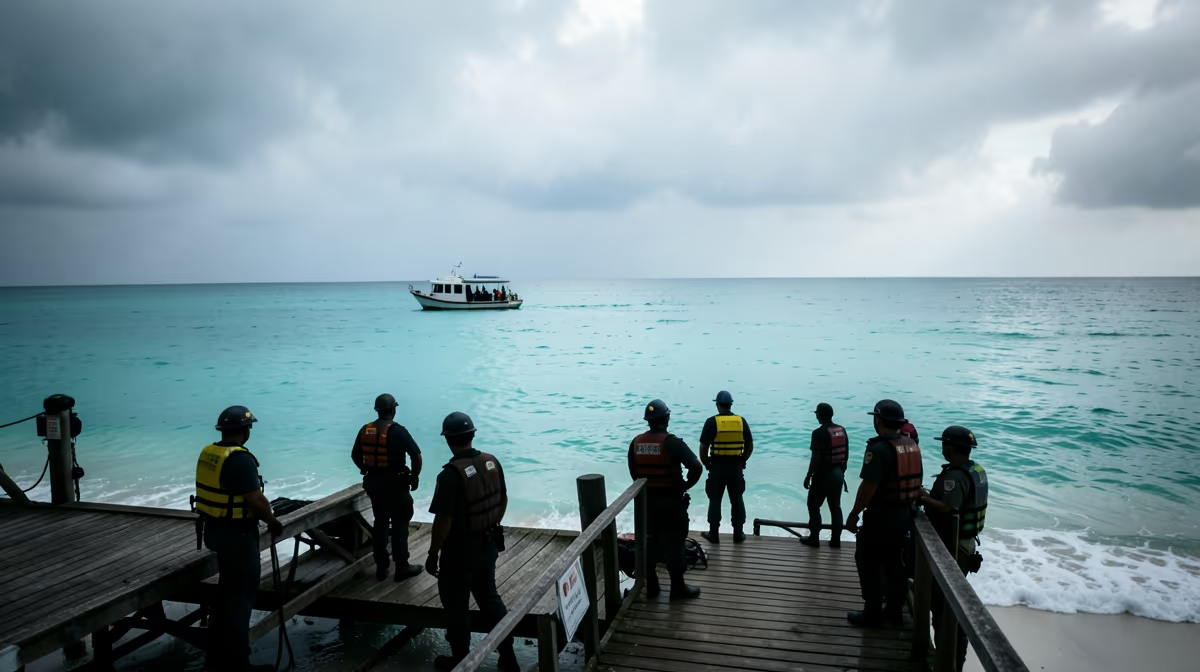
An idyllic ocean excursion can dissolve into an unthinkable crisis in a matter of seconds when open water conditions unexpectedly shift. Such was the reality in the Caribbean when a 36-year-old British woman dies saving sons from deep water distress, transforming a peaceful family holiday into an international portrait of ultimate maternal sacrifice.
The incident, which took place during a recreational outing in Bahamian waters, has triggered a wave of global grief as her partner publicly honors the bravery that saved their children. In the wake of the devastating loss, her husband has stepped forward to remember the mother of his children as a selfless protector who placed their safety above her own life.
A 36-year-old British mother lost her life in the Bahamas after successfully rescuing her two young sons from water distress during an ocean snorkeling excursion.
Details of the Fatal Bahamas Snorkeling Incident
The fatal sequence occurred while the family was participating in a snorkeling excursion, a standard open-water recreational activity popular among international tourists visiting the archipelago. While navigating the ocean environment, the couple's two young sons found themselves in immediate danger amid sudden maritime hazards.
Recognizing that her children were experiencing critical distress, the mother entered the water without hesitation to intervene. Witnesses and preliminary incident summaries indicate that her immediate, decisive actions were essential in securing the safety of both boys, pulling them away from immediate peril.
However, the physical exertion required to combat the ocean currents and ensure the survival of both children left the 36-year-old mother severely exhausted. While both sons were successfully rescued and brought out of imminent danger, the mother was overcome by the water before she could reach safety, leading to fatal complications beneath the surface.
Husband Remembers Heroic Mother Following Rescue Attempt
In the immediate aftermath of the water rescue, the victim's husband mounted an urgent effort to save his wife's life at the scene. Recognizing that she was unresponsive after being pulled from the sea, he initiated emergency resuscitation, administering the kiss of life in a desperate attempt to restore her breathing before professional medical support could intervene.
Despite these immediate emergency interventions, the British mother could not be revived. Following the confirmation of her death, the grieving husband released public remarks commending her extraordinary courage. Describing her actions as nothing short of heroic, he emphasized that she deliberately made the ultimate sacrifice to guarantee that their two sons would survive the ordeal.
"She ultimate gave her life to protect her children."
The profound loss has resonated across major international news organizations, including the BBC, The Telegraph, The Independent, The Times, the New York Post, and People.com. Coverage has uniformly focused on the mother's split-second decision to risk everything for her family, establishing her memory as a symbol of instinctive parental devotion.
Chronology of the Bahamas Tragedy
Understanding how maritime emergencies unfold requires an examination of the rapid progression from recreational swimming to an active search-and-rescue scenario.
| Phase | Operational Development | Outcome |
|---|---|---|
| Initial Excursion | Family takes part in an open-water snorkeling trip | Children encounter sudden water hazards |
| Immediate Rescue | Mother intervenes directly in treacherous conditions | Both sons successfully secured from distress |
| Maritime Crisis | Severe currents and physical exhaustion overtake the parent | Mother is submerged and rendered unresponsive |
| Resuscitation Attempt | Husband administers emergency resuscitation at the scene | Desperate life-saving efforts prove unsuccessful |
| Official Response | Bahamian authorities and UK consular services mobilize | Repatriation and family support proceedings commence |
The rapid escalation documented during this incident underscores the severe, dynamic nature of coastal maritime risks. Even during organized family excursions, open ocean conditions can deteriorate instantaneously, placing swimmers in life-threatening scenarios where immediate self-rescue becomes extraordinarily difficult.
Systemic Realities and Remote First-Responder Challenges
Beyond the acute emotional devastation of the event, the incident highlights a critical systemic vulnerability common to coastal resort settings worldwide. In many high-traffic tourist destinations, the individuals forced to act as initial first responders during sudden water emergencies are not trained rescue personnel, but immediate family members.
When the two boys faced life-threatening distress, there was no window to wait for specialized coastal rescue infrastructure. The mother was compelled to act as the primary rescuer, confronting hazardous ocean currents without dedicated flotation or extraction gear. When she subsequently succumbed to the water, the burden of emergency medical resuscitation fell entirely upon her husband directly on the scene.
This operational reality illustrates the immense psychological and physical strain placed on loved ones during international travel emergencies. When recreational activities take place far from immediate clinical facilities, the window for effective medical intervention narrows drastically, leaving families to navigate complex life-support efforts under extreme duress.
Consular Support and the Repatriation Process
Following the tragedy, administrative and logistical responsibilities have shifted toward international diplomatic channels. The United Kingdom Consular Services, operating in close coordination with Bahamian local authorities, have mobilized to provide structured support to the surviving family members.
The immediate priority for diplomatic staff involves facilitating the formal verification processes and coordinating the legal logistics required for international repatriation. Navigating cross-border administrative systems following a sudden death abroad involves extensive bureaucratic requirements:
- Coordinating documentation between Bahamian medical examiners and local police divisions.
- Securing authorized civil and consular certificates required to transfer remains across international borders.
- Providing direct consular assistance to the surviving father and two young sons as they prepare for the journey back to the United Kingdom.
- Establishing formal liaisons with UK-based family support services to assist the surviving children through acute trauma.
These bilateral efforts remain central to ensuring that the logistical burden on the grieving father is minimized during the earliest phases of bereavement.
Tourism Safety Regulations and Economic Repercussions
The incident also brings renewed scrutiny to water safety regulations within tourism-reliant economies across the Caribbean. The Bahamas depends heavily on international travelers, with guided snorkeling excursions, boat charters, and maritime outings representing a core segment of the regional hospitality economy.
Whenever high-profile maritime accidents occur involving foreign nationals, regulatory frameworks often face heightened assessment. Key operational areas that typically encounter review include:
- The mandatory provision of certified life jackets and personal flotation devices during all commercial snorkeling operations.
- The minimum ratio of qualified life-saving personnel required to monitor tourist groups in open water.
- Onboard medical readiness, including oxygen delivery apparatus and automated external defibrillators (AEDs) on excursion vessels.
- Commercial insurance liability standards and operational risk assessments for private tour operators.
Historical coastal incidents involving international visitors have routinely led to bilateral reviews between foreign diplomatic missions and local tourism boards. While official investigations by Bahamian authorities remain ongoing to determine the full environmental circumstances of the snorkeling accident Bahamas, the tragedy reinforces the critical necessity of stringent maritime oversight in international vacation hubs.
Forward Outlook: The Next 24 to 72 Hours
Over the next 24 hours, tributes honoring the British mother are anticipated to expand across UK and international platforms as community members, extended family, and the broader public react to the details of her sacrifice. Further formal statements commemorating her actions may be released by family representatives.
Over the subsequent 72 hours, operational attention will center almost entirely on the coordination between British consular officials and Bahamian authorities to finalize the family's repatriation arrangements. The primary diplomatic objective remains ensuring the rapid, unhindered return of the surviving father and his two sons to Britain alongside their mother's remains.
Analysts observe that the optimal trajectory for the coming days involves seamless inter-agency cooperation that protects the grieving family from administrative friction. Conversely, the most significant risk identified during this sensitive transitional phase is excessive media intrusion, which could complicate the private mourning process for the young children as they prepare to return home.
Frequently Asked Questions
What happened to the British woman in the Bahamas?
A 36-year-old British woman tragically drowned while attempting to rescue her two sons during a snorkeling excursion in the Bahamas. Despite desperate efforts, including a "kiss of life" attempt by her husband, she could not be revived.
Who paid tribute to the British mother?
Her grieving husband paid a heartfelt tribute, praising her as a hero who ultimate gave her life to protect their children. Major news outlets like the BBC, The Independent, and The Telegraph also covered the outpouring of grief and condolences.
Why is this tragic story drawing widespread attention?
The incident has captured global attention because of the mother's ultimate sacrifice to save her children during what was supposed to be a family holiday. It highlights the profound risks of water currents and the extraordinary lengths parents go to protect their kids.
Who was affected by the drowning in the Bahamas?
The tragedy directly impacts the grieving husband, the two surviving young sons, and the wider family and friends in Britain. Local authorities and emergency responders in the Bahamas were also involved in the immediate rescue and aftermath.
What specific details were revealed about the rescue attempt?
Reports detailed that the mother went into distress while trying to save her two sons in the water. Her husband attempted a desperate "kiss of life" resuscitation effort at the scene before medical personnel responded.
What happens next following the tragedy?
Family members are left to cope with the immense loss and arrange for repatriating her remains back to the United Kingdom. Consular services and local authorities continue to provide support to the family during this difficult time.
Conclusion
The tragic events in the Bahamas represent a profound human loss defined by extraordinary maternal bravery. Verified details confirm that the 36-year-old mother succeeded in shielding her two young sons from life-threatening danger, paying the ultimate personal cost in the process. While local Bahamian authorities conclude their formal inquiries into the maritime conditions of the excursion, UK consular teams remain focused on supporting the surviving father and children through the repatriation process. Her husband's public remembrance ensures that her final, decisive act of devotion will be remembered as an enduring example of unconditional parental sacrifice.
Sources
- Husband's tribute to British woman who died after rescuing son in the Bahamas — BBC
- Hero mom who died trying to save kids in Bahamas ID’d — as husband’s desperate ‘kiss of life’ attempt revealed — New York Post
- Mom, 36, Who Drowned Trying to Save Her 2 Sons During Bahamas Snorkeling Excursion, Identified — People.com
- British woman drowns in Bahamas while trying to save her children — The Telegraph
- Husband pays tribute to ‘hero’ mum who died saving two sons during Bahamas holiday — The Independent
- Briton drowns trying to save her sons in Bahamas — The Times


