
Denmark Ghetto Law Evictions Case Reaches Final Supreme Court Verdict
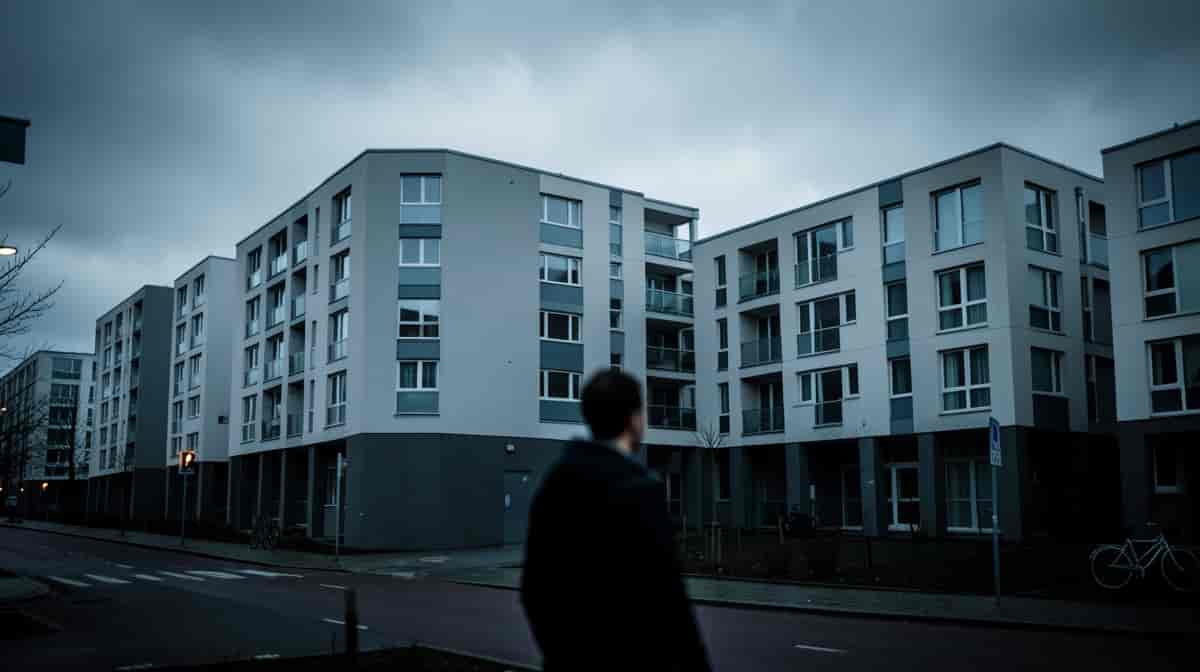
A quiet transformation of the European legal landscape has reached a definitive milestone as the Danish judiciary provides a firm mandate for one of the continent’s most controversial social experiments. Denmark ghetto law evictions have been officially upheld by the country's highest court, sparking widespread debate across Europe regarding the intersection of national sovereignty, integration mandates, and fundamental human rights. The ruling cements a state-led strategy to dismantle "parallel societies" by physically restructuring neighborhoods based on the ethnic and cultural backgrounds of their inhabitants.
This judicial validation follows years of mounting tension between the Danish government and residents of designated "vulnerable" areas. The Supreme Court's decision essentially clears the legal path for the state to continue its program of forced relocation, a policy that targets residential zones where the demographic composition is viewed by authorities as a barrier to national cohesion. While proponents argue the move is essential for cultural assimilation, critics maintain that it codifies institutional discrimination within the nation's housing framework.
This ruling reinforces a major legal precedent in Europe, balancing national integration mandates against fundamental anti-discrimination and human rights frameworks.
The Judicial Validation of State-Led Relocation
The ruling by Denmark's highest court marks a significant legal milestone for the nation's housing policies, which aim to reduce the concentration of residents with non-Western backgrounds in specific residential areas. The court's decision specifically addresses the legality of evicting residents from neighborhoods officially designated as "ghettos," validating the government's authority to enforce these displacements under the existing statute.
This legislation allows authorities to restructure housing areas defined as disadvantaged or vulnerable, pushing for a mixed demographic composition through mandatory redevelopment and the reduction of social housing. Critics and human rights advocates have long challenged the legislation, arguing that it results in discrimination based on ethnic origin. However, the court's decision reinforces the nation's increasingly hardline stance on immigration and social housing, signaling that the state’s interest in demographic regulation outweighs the individual residency claims of the affected populations.
Defining the "Non-Western" Threshold
At the heart of this controversy is the specific criteria used to designate a neighborhood as a "ghetto." The Danish government utilizes a demographic metric that triggers state intervention when the proportion of residents of "non-Western" origin exceeds 50 percent of the population. This classification is the primary engine behind the housing evictions Denmark is now authorized to proceed with on a larger scale.
The policy is part of a broader, hardline approach to immigration and integration that has seen Denmark implement some of the strictest regulations in the European Union. By establishing strict demographic criteria, the law aims to limit the proportion of residents with non-Western backgrounds in any single area to prevent the formation of isolated cultural enclaves. The key facts surrounding this legislation include:
- The law permits the eviction of residents from neighborhoods officially classified as "vulnerable" or "ghettos."
- The primary metric for intervention is a population where more than 50 percent of residents are categorized as "non-Western."
- Authorities are empowered to reduce social housing in these areas, often through sales to private developers or demolition.
- The policy aims to address what the state describes as "parallel societies" that exist outside the mainstream Danish cultural and economic fabric.
- Opponents argue the law amounts to forced displacement and a violation of European human rights standards regarding non-discrimination.
Socio-Economic and Political Underpinnings
The root cause of this legislation lies in Denmark's ongoing effort to regulate demographics and curb the growth of parallel societies. From a political perspective, the Supreme Court ruling reinforces the government’s hardline stance on immigration and integration, signaling to domestic voters that the administration remains committed to stringent social cohesion policies despite international legal challenges.
Economically, the immigrant policy Europe is watching closely has significant implications for urban development. The restructuring involves the disruption of established housing markets and involves high costs associated with forced relocation and redevelopment. Furthermore, there is a potential for the devaluation or radical restructuring of property portfolios within these designated areas as the state mandates the introduction of private housing into previously public sectors.
| Stakeholder | Perspective on the Ghetto Law |
|---|---|
| Danish Government | Necessary for social cohesion and preventing parallel societies. |
| Human Rights Groups | Institutional discrimination based on ethnic and cultural heritage. |
| Affected Residents | Forced displacement and trauma for established families. |
| Top Court | Legally valid under national statutes regarding urban restructuring. |
The Growing European Divergence on Minority Rights
The geopolitical angle of this ruling cannot be understated. It highlights a growing divergence within European legal frameworks regarding minority rights and integration mandates. As national governments face rising nationalist pressures, the tension between national sovereignty policies and broader international human rights expectations continues to intensify.
The Danish ruling could set a legal precedent across the European Union, potentially encouraging other member states to adopt aggressive demographic zoning and housing management laws. This development reflects a historical parallel to post-war urban renewal and slum clearance programs in Western Europe, which often disproportionately displaced marginalized communities under the banner of public modernization and social progress.
The ruling is expected to draw renewed international scrutiny over Denmark’s integration policies and housing regulations, which have previously raised concerns among various international observers.
Future Implications for Social Housing Policy
The immediate impact of the court's decision will likely be felt within the next 24 to 72 hours as legal and human rights organizations begin analyzing the full implications of the ruling. Statements from affected communities and housing advocates are expected to voice concerns over the practical execution of these evictions.
Looking further ahead, analysts expect the ruling to embolden the Danish government's hardline immigration policies while simultaneously intensifying legal scrutiny from international human rights bodies. The long-term stability of the Danish housing model now depends on how the state manages the relocation of displaced families.
Potential Scenarios
- The Best-Case Scenario: Authorities implement the policy with heightened transparency and provide adequate relocation support. This would aim to mitigate displacement trauma while attempting to open a constructive dialogue on integration standards within new residential contexts.
- The Worst-Case Scenario: The ruling leads to widespread forced displacement without sufficient alternative housing options, heightening social segregation and triggering a new wave of protracted international legal challenges that could reach the European Court of Human Rights.
Timeline of the Ghetto Law Implementation
The journey to this Supreme Court ruling has been marked by legislative shifts and persistent legal pushback. Understanding the progression of this policy is essential to grasping its current impact on European human rights discourse.
- Denmark introduces strict housing and integration legislation targeting residential areas defined by high percentages of non-Western residents.
- Legal challenges are brought forward by affected residents and civil rights advocates, contesting the constitutionality and discriminatory nature of the law.
- Denmark's top court upholds the "ghetto law," validating the state's eviction powers and cementing the national hardline immigration framework.
Frequently Asked Questions
What did Denmark's top court decide regarding the ghetto law?
Denmark's highest court upheld a controversial 'ghetto law' that permits the eviction of residents from designated neighborhoods. The legislation targets areas officially classified with high concentrations of non-Western residents.
Why is Denmark's ghetto law significant?
The court's decision serves as a major boost to the country's increasingly hardline stance on immigration and integration. Supporters argue the measures help prevent the formation of parallel societies, while critics condemn them as discriminatory.
Who is affected by the ghetto law evictions?
Residents living in neighborhoods officially labeled as 'vulnerable' or 'ghettos' face displacement under the policy. The law specifically impacts communities with high populations of people categorized as 'non-Western.'
What happens next following the court ruling?
With the top court validating the legality of the legislation, authorities are expected to proceed with restructuring plans for these neighborhoods. This may involve further housing reductions, private development sales, and continued displacement of current residents.
What is the background of Denmark's ghetto law?
The legislation was originally introduced by the Danish government to address socioeconomic and integration challenges in specific public housing sectors. It establishes strict demographic criteria to limit the proportion of residents with non-Western backgrounds in any single area.
How have international and human rights groups responded to the ruling?
Human rights organizations and affected residents have repeatedly challenged the law in court, arguing that it violates principles of equality and non-discrimination. Despite these legal challenges, Denmark's judiciary has upheld the state's authority to enforce the housing policies.
Conclusion
The decision by Denmark's Supreme Court to uphold the "ghetto law" evictions represents a decisive victory for the state's policy of demographic engineering and social integration. By validating the use of ethnic and cultural background as a metric for urban restructuring, the court has prioritized national social cohesion goals over the objections of residents and human rights advocates. While the ruling provides the legal clarity the government sought, the practical impact on thousands of residents and the potential for international legal fallout remain developing issues. As Denmark proceeds with these displacements, the eyes of the international community will be focused on the humanitarian and social consequences of this hardline approach to housing and immigration.
Sources
- Top Denmark court upholds law allowing eviction of "non-Western" residents from "ghettos" — CBS News
- Denmark's top court backs 'ghetto law' evictions in boost to country's hard line on immigration — Reuters
- Danish court backs ‘ghetto law’ used to evict ‘non-Western’ residents — Al Jazeera
- Exclusive: Apartment complex responds to AI bot eviction claims involving Raleigh woman — WRAL
- A Raleigh woman just got evicted after her landlord refused to honor a deal made by its AI assistant 'Olivia' — Yahoo Finance
- Landlord’s AI Makes Rent Deal With Woman, Actual Landlord Breaks Deal and Evicts Her — Futurism


