
Nvidia Economy Impact Signals A Potential Shift That Markets Are Dreading
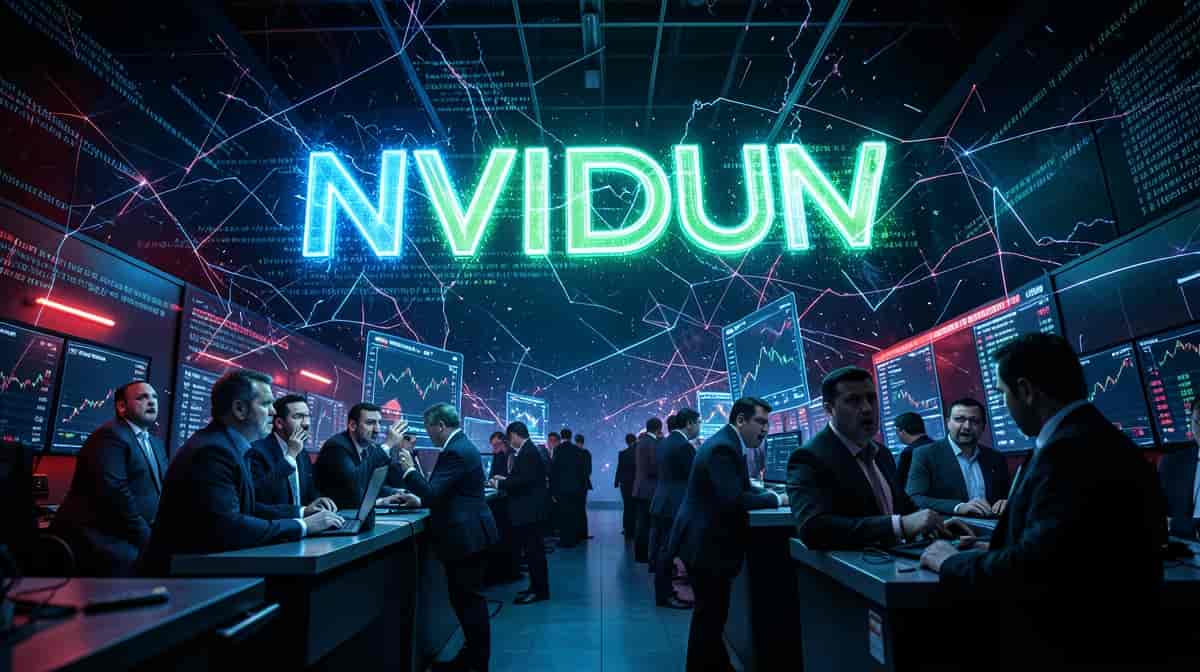
The architectural integrity of the modern global financial system has quietly shifted its weight onto a single, silicon-based pillar, creating a structural dependency that few investors fully grasp until the floor begins to shake. While the surface of the market often displays a staggering resilience, the Nvidia economic impact has grown so pervasive that any tremor in the artificial intelligence sector now threatens the foundations of international fiscal stability.
A sudden contraction or wipeout in the artificial intelligence sector would not just impact tech portfolios, but could ripple across global markets, affecting everything from retirement accounts to corporate spending worldwide.
The Silicon Anchor of Global Finance
Nvidia has transcended its origins as a provider of gaming hardware to become the central nervous system of the modern economy. As the primary provider of the hardware powering sophisticated AI systems, the company’s financial health is now indistinguishable from the health of the broader market. Over the past several years, a massive boom in artificial intelligence has driven global stock indexes to historic heights, with Nvidia sitting at the absolute center of this transformation.
This pivotal role makes Nvidia exceptionally crucial to the modern global economy. Its high-performance chips drive the massive data infrastructure demanded by tech giants, creating a cycle where corporate spending and investor optimism are inextricably linked to a single company’s output. However, this centralization creates a critical chokepoint. When a single technology or entity becomes the main engine driving global stock market growth, the entire financial system becomes vulnerable to its performance. If the artificial intelligence bubble were to deflate too quickly, it could pull down major markets and restrict funding for innovation across multiple non-tech industries.
Market Concentration and Exposure
The current market concentration around artificial intelligence hardware and semiconductor supply chains has left global financial indices heavily exposed to shifts in tech sector valuations. This is not merely a concern for Silicon Valley; it is a macro-level economic vulnerability. Analysts point out that the unprecedented reliance on major technology companies means that the "AI rally" is no longer just a sector-specific trend but a systemic requirement for market stability.
| Economic Component | Impact of AI Sector Shift |
|---|---|
| Global Stock Markets | High sensitivity to tech valuations and hardware demand. |
| Retirement Funds | Heavy exposure through index-linked institutional holdings. |
| Corporate Spending | Potential restriction in innovation funding if valuations drop. |
| Trade Policy | Increased pressure on governments to protect tech sectors. |
Volatility and the Great Rebound
Recent market behavior has highlighted both the fragility and the surprising resilience of this AI-centered economy. In a single trading session, the Dow Jones Industrial Average managed to close higher after wiping out a staggering 1,100-point loss in a stunning intraday rebound. This type of volatility demonstrates a tug-of-war between deep-seated anxiety and a persistent "buy the dip" mentality among investors.
Despite these occasional rebounds, world stocks have tumbled as global trade tensions and the fading momentum of the AI rally rattle markets. The influence of Trump tariffs and shifting trade policies has added a layer of complexity to an already tense environment. Investors are no longer just tracking earnings reports; they are weighing the dual pressures of inflation and tech-sector dependence. This environment has led to heightened scrutiny on whether the current concentration of wealth in a few high-flying stocks poses a broader risk to the wider economy.
The Psychology of the Rally
The psychological impact of market participation is also shifting. Reports of massive wealth creation, such as a rumored $300 million score on Nvidia’s stock surge, often dominate headlines and fuel speculative enthusiasm. However, when such staggering gains are not fully backed by official trading records, it raises questions about the underlying market fundamentals. The gap between retail trading rumors and institutional reality suggests that speculative wealth creation may be distorting the market more severely than traditional metrics capture.
Systemic Risks and Historical Parallels
The current economic landscape bears a striking resemblance to the Dot-Com bubble of the late 1990s. During that era, extreme market enthusiasm and heavy concentration in a single technological sector—the internet—preceded a sharp, systemic correction. Today, artificial intelligence has captured the same level of investor fervor. The risk is that as valuations reach historic highs driven by aggressive adoption and hardware demand, the market becomes susceptible to a "wipeout" that could unleash unexpected consequences.
- Tech sector valuations have reached historic highs driven by hardware demand.
- Renewed tariff policies and shifting market sentiment have sparked widespread volatility.
- Analysts are reevaluating risk exposure as markets grapple with inflation.
If the AI sector faces a sudden correction, it could trigger cascading sell-offs. Unlike a typical market downturn, an AI-driven wipeout would hit the core of modern productivity infrastructure. Because so much investor wealth and economic optimism are currently wrapped up in this specific technology, a major stumble could lead to a sudden loss of confidence that restricts the flow of capital globally.
Geopolitical and Political Dimensions
The centralization of advanced semiconductor manufacturing and AI development creates chokepoints that influence international relations. Governments now face mounting pressure to balance aggressive trade policies, such as sweeping tariffs, with the need to protect strategic domestic technology sectors. The "tech war" is not just about chips; it is about maintaining the investor confidence that sustains the national economy.
A sudden correction in the AI rally threatens broader market stability, triggering cascading sell-offs and difficult questions regarding the sustainability of current valuations.
The geopolitical angle is clear: the health of Nvidia and the AI sector is a matter of national and economic security for major global powers. When trade tariffs rattle markets, the AI rally often fades, showing how sensitive these tech giants are to the movements of international diplomacy. This interconnectedness means that a policy shift in Washington or a manufacturing delay in East Asia can have an immediate and profound impact on global stock valuations.
Future Outlook and Expert Predictions
Over the next 24 to 72 hours, markets and financial analysts are expected to continue monitoring volatility driven by shifting AI valuations and trade sentiment. The immediate focus remains on whether the recent market rebounds are sustainable or if they are temporary pauses in a larger downward trend.
Potential Scenarios
In the best-case scenario, market stability improves as tech sector growth moderates to a sustainable pace. This would allow the broader economy to absorb AI-driven productivity gains without triggering a sharp downturn, effectively "cooling" the market without breaking it.
Conversely, the worst-case scenario involves a sudden correction in the AI sector combining with tariff pressures and inflation concerns. This could trigger cascading sell-offs across global markets, exposing deep vulnerabilities in tech-reliant economies. Financial institutions are currently weighing these systemic risks, trying to determine if the economy can survive a significant fading of the AI rally.
- Tech valuations reach a peak based on aggressive adoption.
- Macroeconomic pressures like tariffs spark volatility.
- Investors re-evaluate systemic risk and tech-sector dependence.
Analysts expect continued market sensitivity regarding high-flying AI stocks, with heightened scrutiny on whether the current concentration of power in the hands of a few companies poses an unacceptable risk to the global financial framework. While leaders like Jensen Huang maintain a confident public outlook, the underlying data suggests that the margin for error is narrowing.
Frequently Asked Questions
Why is Nvidia considered crucial to the global economy?
Nvidia sits at the heart of the booming artificial intelligence sector, powering the massive data infrastructure demanded by tech giants. Because its high-performance chips drive the current AI rally, its financial health heavily influences broader market stability and investor confidence.
What could happen if there is an AI market wipeout?
An abrupt collapse in the artificial intelligence sector could unleash unexpected and sweeping economic consequences. Given how heavily major indexes and global stocks have leaned into the AI rally, a sharp downturn could trigger widespread market sell-offs.
How are tariffs and AI doubts affecting world stocks recently?
Global stock markets have experienced recent turbulence as fears over new trade tariffs compound existing doubts about the sustainability of the AI rally. Major indexes have faced pressure from investors weighing these macroeconomic uncertainties alongside shifting technology valuations.
Is Nvidia CEO Jensen Huang worried about the current market volatility?
Publicly, Nvidia leadership maintains a confident outlook regarding the company's trajectory and the ongoing demand for artificial intelligence hardware. However, financial analysts and commentators caution that investors should remain vigilant given the high concentration of market risk.
How did major stock indexes respond to recent market swings?
Stock markets have shown dramatic intraday volatility, recently staging stunning rebounds to wipe out sharp thousand-point losses. This resilience demonstrates that while AI doubts and economic pressures weigh heavily, buying interest can still rapidly ease sell-offs.
What specific stock trading rumor recently made headlines involving Nvidia?
Reports circulated regarding a rumored massive multimillion-dollar score tied to Nvidia's stock surge. However, subsequent examinations indicated that such staggering gains were not fully backed by official trading records.
Conclusion
The global economy is currently navigating a period of unprecedented dependence on the artificial intelligence sector, with Nvidia serving as the primary engine of growth. While markets have shown a remarkable ability to rebound from sharp intraday losses, the underlying vulnerabilities created by tech-sector concentration and shifting trade policies cannot be ignored. Analysts agree that a sudden contraction in AI valuations would have far-reaching consequences, potentially triggering a systemic correction that mirrors past technological bubbles. As the world watches the intersection of trade tariffs, inflation, and tech innovation, the stability of the global financial system remains tied to the continued performance of the AI infrastructure that now underpins it. Realistic next steps for the market involve a cautious re-evaluation of risk exposure and a close monitoring of how global trade policies will impact the tech giants currently holding the economy aloft.
Sources
- Dow closes higher Wednesday, wiping out 1,100-point loss in stunning rebound: Live updates — CNBC
- A Rumored $300 Million Score on Nvidia’s Stock Surge Isn’t Backed by Trading Records — The New York Times
- Nvidia is crucial to the economy. An AI wipeout could unleash unexpected consequences — CNN
- World stocks tumble as Trump tariffs rattle markets, AI rally fades — Reuters
- Jensen Huang Isn’t Worried. But You Should Be. — The Atlantic
- Market sell-off eases up, but AI doubts, tariffs and inflation still weigh down stocks — NBC News


