
Pope Francis Private Diary Details Unprecedented Spiritual Crisis
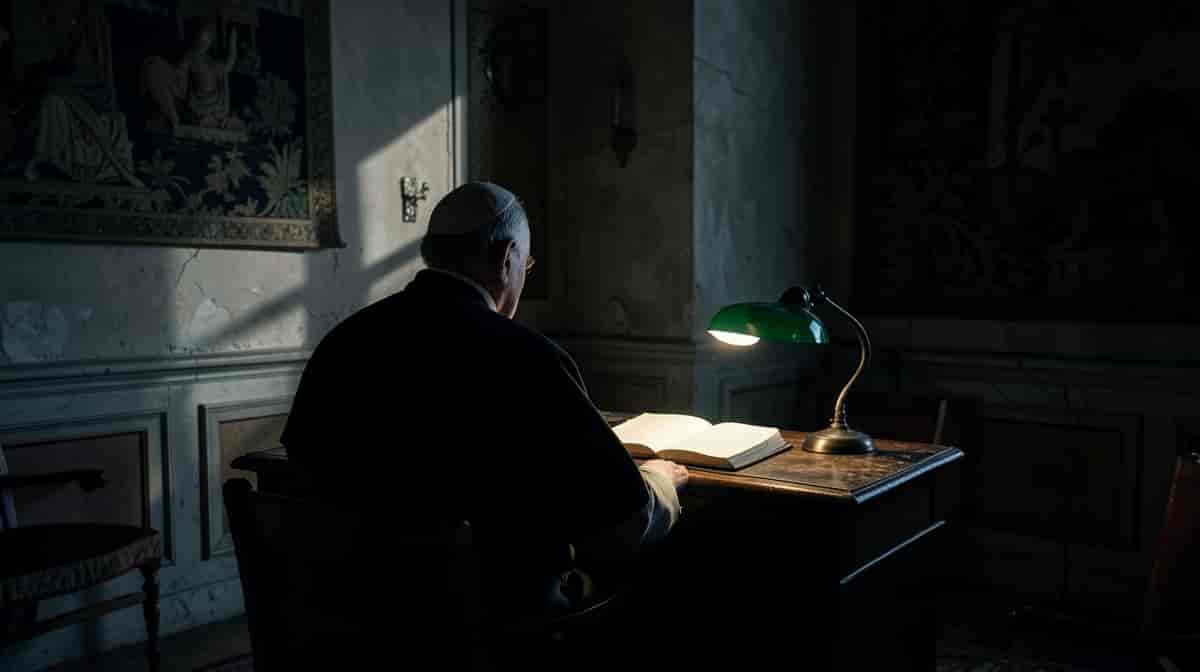
The inner sanctuary of the Vatican has long been considered the most inaccessible vault of spiritual secrets in the modern world. That wall of silence has now collapsed with the publication of the Pope Francis private diary, revealing a leader grappling with a hidden spiritual crisis that challenges the traditional image of the papacy. Recent revelations from this personal journal have sparked intense discussion across the global Catholic community regarding the depth of this inner turmoil and the mystical dimensions of the pontiff's daily life.
These writings, which represent a departure from the usually guarded nature of the Holy See, offer an unprecedented look into the private doubts and spiritual battles faced by a leader typically seen as an unshakable moral authority. The diary entries describe a profound struggle that goes beyond simple administrative stress, detailing what the Pope himself characterizes as intense encounters with the devil and a pervasive sense of spiritual darkness.
The publication of these journals humanizes the papacy by highlighting a rare vulnerability, framing the Pope's inner battles as a relatable human experience of faith and temptation.
Inside the Pope Francis Private Diary Revelations
The contents of the newly revealed private diary describe a multifaceted spiritual journey marked by both light and profound shadow. According to reports from major news outlets, the entries detail years of personal torment, deep-seated fears, and an agonizing thirst for God. These are not merely the reflections of a man in a high-pressure job; they are the chronicles of a "mystical side" that has largely remained hidden from public view during his pontificate.
Within these pages, the Pope records specific accounts of visions and internal trials that he attributes to spiritual warfare. The diary describes intense periods of temptation and torment, providing vivid descriptions of battling the devil. This mystical worldview, while rooted in classical Catholic theology, takes on a startlingly personal tone in these writings, exposing a side of his spiritual journey that contrasts sharply with his public-facing leadership style.
The Nature of the Spiritual Crisis
The term "spiritual crisis" appears frequently in the analysis of these texts. It refers to a period of profound internal struggle where the pontiff felt a disconnection from the divine or a heavy psychological toll from his duties. These writings explore:
- The heavy psychological and mystical toll of modernizing the papacy.
- Persistent feelings of personal inadequacy and intense internal struggle.
- A profound "thirst for God" that persists even amidst high-level diplomatic and religious successes.
- The tension between the public persona of a reformer and the private reality of a soul in trial.
The Controversy Over Transparency and Privacy
The decision to release such intimate spiritual reflections has divided observers and Vatican officials. While Vatican News and Cardinal Fernández have stepped forward to explain how the book containing the Pope's diary came to be published, the debate over its necessity continues to grow. Some critics, including those voiced in The Free Press, argue that the Pope’s diary should have stayed private, suggesting that the disclosure of such raw vulnerability could be misinterpreted or sensationalized.
Cardinal Fernández has been a key figure in explaining the provenance of these writings, detailing the process through which the Pope's private reflections were compiled into a book. This orchestrated release is seen by some analysts as a calculated move to cement the Pope's legacy of "raw humanity." However, it also raises difficult questions about the boundaries between a religious leader's private spiritual life and the public’s right to transparency.
A Departure from Tradition
It is historically rare for reigning popes or high-ranking religious leaders to publish deeply personal spiritual diaries while still in office or shortly after writing them. Traditionally, such journals remain the property of the Church's archives or are only released posthumously for historical and hagiographic study. The immediate publication of these texts represents a shift in Vatican communication strategy, prioritizing a message of vulnerability over the traditional image of monolithic stability.
Political and Geopolitical Implications
The revelation of such deep personal vulnerability and spiritual warfare within the Vatican alters the internal political dynamics of the Catholic Church. Analysts suggest that the Pope’s mystical side could be weaponized by different factions within the Church. Traditionalists might point to these accounts of crisis and visions as a reason to question his stability or the direction of his modernization efforts. Conversely, reformers may rally around these revelations, using them to highlight the Pope's humanity and the immense spiritual cost of his leadership.
| Impact Area | Potential Consequence |
|---|---|
| Vatican Communications | A shift toward transparency and the humanization of the office. |
| Global Catholic Community | Deepened empathy for the Pope’s struggles but potential for theological confusion. |
| Institutional Politics | Weaponization of the Pope's "mystical" side by polarized factions. |
| Geopolitical Authority | Secular states may re-evaluate the Pope's moral authority based on his private struggles. |
On a geopolitical scale, the perception of the Vatican as a monolithic diplomatic actor shifts as the private "inner demons" and mystical worldview of its supreme leader are laid bare. Secular and religious nation-states may now interpret papal moral authority through the lens of these revelations, affecting how the Holy See’s diplomatic interventions are perceived on the world stage.
The Historical Parallel: Pope John XXIII
The publication of this diary draws immediate historical parallels to the "Journal of a Soul" by Pope John XXIII. That spiritual journal also revealed the profound inner mystical life and private struggles of a transformative pontiff. However, the timing and the explicit descriptions of devil encounters in Francis’s writings create a different contemporary context. While John XXIII’s diary was largely seen as a testament to his piety, the Pope Francis private diary is being viewed through the lens of modern psychological and institutional polarization.
This publication reshapes public understanding of the papacy by highlighting vulnerability and internal struggle as central to the spiritual life of a modern leader.
Analyst Perspective: The Root Cause of the Revelations
Analysts believe the root cause for the publication of these diaries lies in the intense institutional polarization currently facing the Vatican. By laying bare the Pope’s spiritual trials, the Vatican may be attempting a "preemptive strike" to humanize Francis before any future succession battles begin. This strategy, orchestrated under the purview of Cardinal Fernández, seeks to frame the Pope's struggles not as a sign of weakness, but as a testament to the heavy weight of modernizing a two-thousand-year-old institution.
There is also an economic and brand dimension to this release. While direct financial impacts on the Holy See are minimal, the media monetization of the diary through various publishing houses and Vatican communications channels influences the "soft power" and global brand value of the Holy See. It presents a "human-centric" brand that may appeal to a more secular, modern audience that values authenticity and transparency over traditional dogma.
Predictive Outlook: The Next 72 Hours
The immediate future will likely be dominated by intense theological and public debate regarding the wisdom of this release. Media coverage and public discussions are expected to continue focusing on the specific accounts of devil encounters and the nature of the "spiritual crisis."
- Next 24 Hours: Continued media saturation and social media debate regarding the most sensational aspects of the diary, particularly the mystical visions.
- Next 72 Hours: Expect more formal responses from Vatican officials and theologians providing context. Cardinal Fernández may provide further explanations to mitigate criticisms from traditionalist sectors.
- Long-term: Analysts expect a lasting shift in how the papacy is documented, with a potential trend toward more "live" or immediate transparency regarding the personal lives of high-ranking clergy.
The "worst-case scenario" for the Vatican involves the disclosures leading to sensationalized interpretations and a loss of perceived authority among the more traditional wings of the Church. The "best-case scenario" is that the publication deepens global empathy, framing the Pope's struggles as a relatable human experience of faith that strengthens his connection to the global laity.
Frequently Asked Questions
What is revealed in Pope Francis' private diary?
Pope Francis' private diary reveals a profound spiritual crisis, a deep thirst for God, and accounts of encounters with the devil. The personal writings expose his inner life and mystical struggles in a way previously unseen by the public.
Why is the publication of Pope Francis' diary significant?
The release offers an unprecedented look into the pontiff's hidden spiritual battles and human vulnerabilities. It highlights the mystical side of Pope Francis, shedding light on the heavy emotional and spiritual toll of the papacy.
Who is affected by the release of Pope Francis' private writings?
Catholics worldwide, church leaders, and Vatican observers are deeply impacted by the intimate revelations. The disclosures have sparked widespread discussion among believers and critics alike regarding whether such personal reflections should have remained private.
What happens next regarding the controversy over the Pope's diary?
Church officials, including Cardinal Fernández, have stepped forward to explain how the book of the Pope's diary came to be published. Ongoing discussions will likely continue regarding the boundaries between a religious leader's private spiritual life and public transparency.
What is the background behind Pope Francis' spiritual crisis diary?
The newly surfaced writings detail years of personal torment, temptations, and deep-seated fears experienced by the Pope. These texts compile his private reflections, exposing a side of his spiritual journey that contrasts with his public-facing leadership.
Did Pope Francis actually write about experiencing visions of the devil?
Yes, reports from major publications highlight that the diary includes specific accounts of visions and encounters with the devil. These descriptions depict intense periods of temptation and torment during his spiritual trials.
Conclusion
The publication of the Pope Francis private diary marks a watershed moment in the history of the modern papacy. By revealing a world of spiritual crisis and mystical struggle, the Vatican has chosen a path of radical transparency that humanizes the office of the Pope while simultaneously opening it to new forms of criticism. These writings confirm that behind the public image of the reformer lies a man engaged in a deep, often painful spiritual journey. As the global community continues to process these revelations, the dialogue will likely shift from the contents of the diary to the broader implications for the future of religious leadership and the delicate balance between the private soul and the public office. Realistic next steps include further theological clarification from the Holy See and a continued media focus on the psychological toll of leading a global institution in an era of unprecedented polarization.
Sources
- The temptation of Pope Francis: Private diary reveals torment, visions of Devil — The Washington Post
- Humanity, fears, thirst for God, temptations: Francis’ mystical side in ‘Diary’ — Vatican News
- Cardinal Fernández explains how the book of Pope Francis’ diary came about — EWTN News
- Pope Francis' private diary describes a profound spiritual crisis and encounters with the devil — AP News
- The Pope’s Diary Should Have Stayed Private — The Free Press
- Pope Francis’ private diary reveals encounters with the devil, a spiritual crisis and profound inner life — America Magazine


