
Todd Boehly Lukoil Deal Signals A Massive Shift In Global Energy Markets
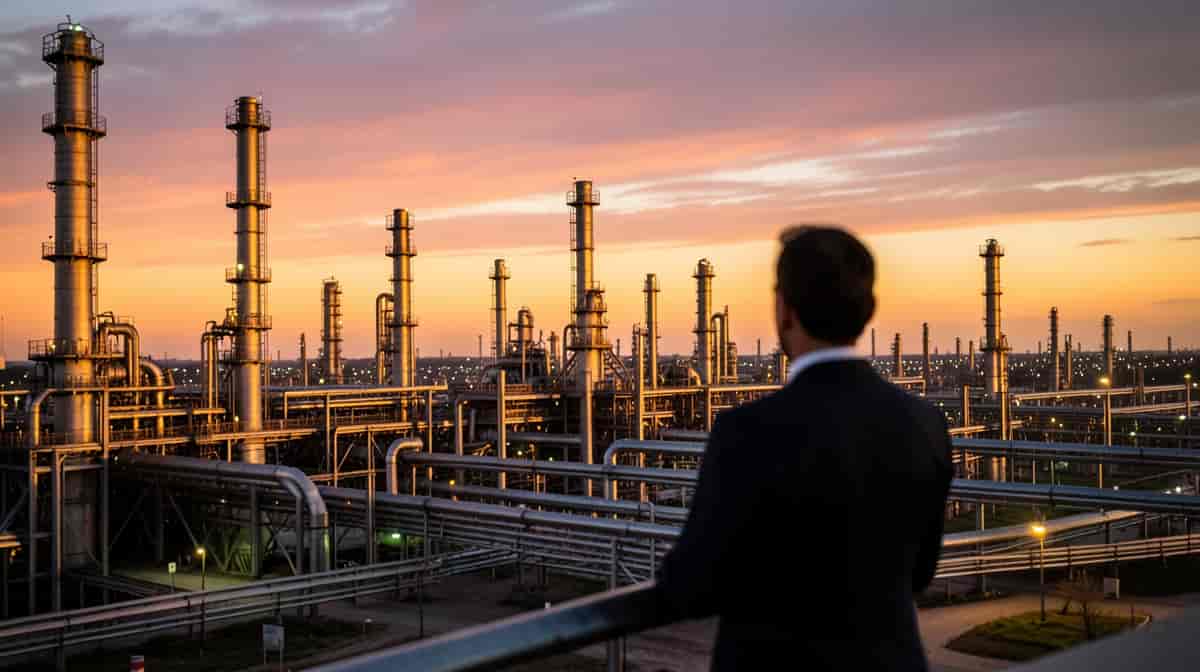
A massive shift in the global energy hierarchy is currently materializing through a sophisticated financial maneuver led by one of America’s most prominent sports and media moguls. The transfer of vast oil and gas holdings away from Russian control marks a definitive moment in the era of sanctioned economics, effectively redrawing the map of international energy ownership. The latest developments surrounding the Todd Boehly Lukoil deal have captured global attention as investors navigate complex international energy markets, attempting to resolve the deadlock created by years of geopolitical friction. This high-stakes acquisition, led by U.S. billionaire and Dodgers co-owner Todd Boehly, aims to move Lukoil’s overseas oil and gas assets into Western hands, fundamentally decoupling these properties from their Russian parent company.
The transaction marks a significant corporate restructuring for Lukoil as it navigates ongoing Western economic restrictions by transitioning its global operations outside of Russia into a U.S.-backed investor consortium.
Navigating the Geopolitical Energy Pivot
The agreement centers on a complex financial structure designed to insulate vital international infrastructure from the volatility of the current political climate. For Lukoil, one of Russia’s largest energy companies, the sale of its overseas holdings represents a necessary strategic retreat. The firm has faced substantial pressure and a web of international sanctions frameworks following the geopolitical shifts stemming from the conflict in Ukraine. By offloading these assets, Lukoil is attempting to monetize infrastructure that has become increasingly difficult to manage under the weight of Western economic restrictions.
For the investor group led by Todd Boehly, this acquisition is not merely a purchase of energy assets; it is a major expansion into the global energy market. The deal adds substantial upstream and downstream properties to their portfolio, signaling a pivot toward heavy-industry asset management. The consortium is moving to acquire oil and gas properties located entirely outside of Russia, ensuring that the new ownership structure is compliant with international law while maintaining the operational integrity of the assets themselves.
The Role of Private Capital in Sanctions Compliance
The involvement of private equity and billionaire-led investment groups has become a critical mechanism for unblocking and monetizing sanctioned infrastructure. By deploying private capital, the investor group provides a form of political insulation, allowing for the deployment of resources into areas that are currently off-limits to traditional state-aligned entities. This acquisition highlights how private equity structures are being used to reshape ownership and capital flows in a market that remains under intense regulatory scrutiny.
Mechanics of the US-Backed Share Swap
The centerpiece of this transaction is a unique financial mechanism: a U.S.-backed share swap deal. This structure was specifically designed to transition Lukoil’s extensive global operations into the hands of the Boehly-led consortium while navigating the maze of international trade restrictions. Reporting from major outlets, including Reuters, CNBC, the Wall Street Journal, and the Financial Times, has confirmed that this share swap covers a broad range of international oil and gas properties.
The transaction involves a U.S.-backed share swap agreement designed to safely navigate international trade restrictions while securing the overseas portfolio.
This specific financial tool allows for the exchange of equity in a way that minimizes direct cash flows that could trigger secondary sanctions. It effectively creates a clean break between the Russian parent company and its former international subsidiaries. For everyday energy markets, major corporate realignments like this highlight how international sanctions continue to reshape global supply chains, moving properties previously tied to Russian giants under Western-backed ownership.
Strategic Implications for Global Markets
The transition of these assets has profound implications for global supply dynamics. By moving critical foreign infrastructure into Western financial custody, the deal ensures that vital energy supply chains remain operational and separate from the domestic pressures within Russia. This shift is expected to impact international trade flows and corporate compliance strategies across the sector.
- Ownership transfer: Moving assets from a sanctioned Russian entity to a U.S.-led group.
- Infrastructure security: Ensuring the stability of international oil and gas properties.
- Regulatory alignment: Finalizing the deal within the bounds of international oversight.
- Portfolio expansion: Significant growth for Boehly’s investment group in the energy sector.
The move also impacts the international workforce currently employed at Lukoil’s overseas sites. As the properties transition to new private leadership, regional operations are expected to undergo structural changes to align with the new management’s strategic goals.
Geopolitical and Economic Analysis
From a geopolitical perspective, the Todd Boehly Lukoil deal represents a decoupling of Russian energy entities from their international footprint. This is not the first time such a shift has occurred; historical parallels can be drawn to the restructuring and divestment of Russian corporate assets during previous crises, such as the forced sales of non-Russian subsidiaries post-2014. However, the scale and the use of a U.S.-backed share swap make this a landmark case.
The Root Cause of the Divestment
The primary driver behind this deal is the need to unblock sanctioned energy infrastructure. Without a change in ownership, these international assets face the risk of becoming stranded, unable to access Western capital or technology. The root cause of the divestment lies in the stringent Western sanctions regimes that have effectively frozen the ability of Russian firms to operate freely on the global stage.
The Hidden Angle of the Acquisition
Market analysts suggest a "hidden angle" to this deal: the potential use of this complex share-swap structure as a template for future distressed asset unwinds. If successful, this mechanism could be used for other sanctioned entities in neutral jurisdictions, providing a roadmap for how to extract valuable international assets from politically compromised parents.
| Phase | Development Stage | Key Objective |
|---|---|---|
| Phase 1 | Sanctions Impact | Restrictions severely limit Lukoil's international management. |
| Phase 2 | Negotiation | Structuring of the U.S.-backed share swap deal. |
| Phase 3 | Finalization | Investor group reaches agreement to acquire overseas assets. |
Risk Assessments and Regulatory Outlook
The success of the acquisition depends heavily on the upcoming regulatory review process. Over the next 24 hours, financial markets and industry observers are expected to digest the news, with initial commentary focusing on the specific deal structure and the nuances of the share swap. Within the next 72 hours, analysts expect more details to emerge as market regulators begin their initial reviews.
Best-Case and Worst-Case Scenarios
In the best-case scenario, a smooth transition of the international assets occurs, ensuring uninterrupted energy supply chains and receiving prompt regulatory approval without prolonged geopolitical friction. This would demonstrate that the share-swap mechanism is an effective tool for corporate restructuring in a sanctioned environment.
Conversely, the worst-case scenario involves complexities surrounding sanctions compliance and potential political backlash. This could lead to delayed transactions, legal hurdles, or market volatility surrounding the acquired assets. Analysts expect increased scrutiny from international regulators regarding the ownership transfer to ensure that no part of the transaction violates the spirit of current restrictions.
Strategic Acumen and Investor Background
The investor group led by Todd Boehly brings a specific type of financial expertise to this deal. Boehly has previously noted how the trading desk acumen of figures like Daniel Katz fed into the success of other ventures, such as the media company A24. This suggests that the consortium is applying high-level financial desk expertise to the energy sector, viewing these oil and gas assets through the lens of private equity turnaround opportunities rather than traditional utility management.
This approach is central to the group's ability to navigate the "distressed" nature of sanctioned assets. By treating the Lukoil overseas holdings as a complex financial puzzle to be solved through equity swaps and regulatory alignment, the group is positioning itself as a leader in a new era of geopolitical asset management.
Frequently Asked Questions
What is Todd Boehly's investor group buying from Lukoil?
An investor group led by U.S. billionaire Todd Boehly has struck a deal to acquire the overseas oil and gas assets of Russian energy firm Lukoil. This transaction involves a US-backed share swap agreement covering major international holdings outside of Russia.
Why is the acquisition of Lukoil's overseas assets significant?
This deal marks a major restructuring for Lukoil's international operations, transferring vital global oil and gas infrastructure to Western-backed private ownership. It navigates complex geopolitical sanctions and ownership landscapes surrounding Russian energy companies.
Who is affected by Todd Boehly's purchase of Lukoil assets?
The transition primarily impacts Lukoil's international workforce, regional operations outside Russia, and energy markets accustomed to the company's previous overseas footprint. It also involves international regulatory bodies overseeing compliance with sanctions against Russian entities.
What happens next following the Lukoil asset deal?
The transaction will move through standard regulatory approvals and closing processes to finalize the transfer of the global assets to Boehly's investor group. Operations at the acquired overseas sites are expected to transition under the new private leadership.
What is the background of Lukoil's international assets being sold?
Lukoil, one of Russia's largest oil producers, faced mounting pressure to divest its international holdings due to Western sanctions following geopolitical conflicts. This prompted the search for buyer syndicates capable of structuring a compliant cross-border buyout.
How was the deal structured for Todd Boehly to acquire Lukoil's global assets?
According to exclusive reports, the transaction was finalized through a U.S.-backed share swap agreement. This unique financial mechanism allowed the billionaire-led consortium to safely navigate international trade restrictions while securing the overseas portfolio.
Conclusion
The agreement between Todd Boehly’s investor group and Lukoil represents a major reconfiguration of the global energy sector. By utilizing a U.S.-backed share swap deal, the consortium has found a pathway to acquire international oil and gas assets that were previously ensnared in a complex web of sanctions. This move not only expands the portfolio of the Boehly-led group but also marks a significant step in the decoupling of Russian energy entities from their global infrastructure. As the transaction moves toward regulatory review, the industry will be watching closely to see if this structure becomes the new standard for managing distressed assets in a divided global economy. The successful transition of these holdings will be a critical test for international regulators and the private equity groups now tasked with overseeing them.
Sources
- Investors led by U.S. billionaire Todd Boehly to buy Lukoil's oil and gas assets outside Russia, sources say — CNBC
- Russian oil firm Lukoil’s overseas assets sold to investors led by US billionaire Todd Boehly — CNN
- EXCLUSIVE: Boehly signs US-backed share swap deal to buy Lukoil global assets — Reuters
- Billionaire financier Todd Boehly strikes deal for Lukoil assets — Financial Times
- Dodgers Owner Todd Boehly Clinches Deal for Overseas Assets of Russia’s Lukoil — WSJ
- Todd Boehly Says Daniel Katz Trading Desk Acumen Fed Into A24 Success — Deadline


