
US F-16 Gulf Incident Claims Trigger Heated Response From Military Leaders
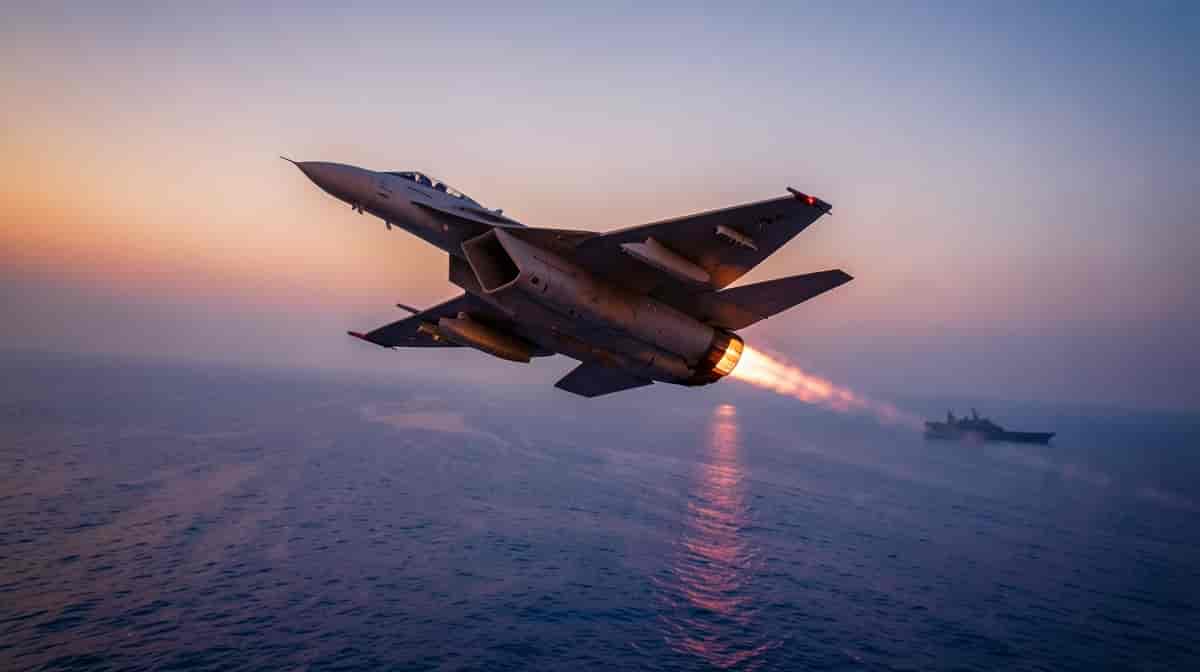
The precision of aerial combat has met the volatility of regional propaganda in the Persian Gulf, where a single claim of a downed aircraft can alter the course of diplomatic friction. The US denies Iranian army claim regarding a downed fighter jet over the Persian Gulf as regional tensions escalate, highlighting a dangerous divergence in operational narratives between Washington and Tehran. This latest confrontation serves as a microcosm of a broader, more complex theater of war involving maritime blockades, drone interceptions, and the persistent threat of direct military miscalculation. As the skies over the Strait of Hormuz remain heavily contested, the conflicting accounts of this engagement underscore the fragility of regional stability and the critical importance of verified military intelligence.
The explicit US denial of the Iranian military's claim of striking an F-16 over the Gulf comes at a moment of stalled diplomacy and intensifying regional proxy attacks, raising the stakes for maritime and aerial security.
Pentagon Responds to Tehran Jet Strike Claims
The core of the current friction lies in a direct assertion by the Iranian army that its forces successfully targeted and struck an American F-16 fighter jet. According to Iranian state assertions, the engagement occurred over the waters of the Gulf, a claim that was intended to project domestic strength and military capability. However, the United States military has moved swiftly to issue a formal denial, maintaining that no such aircraft was struck or downed. This rejection of the Iranian narrative is part of a larger effort by Washington to maintain control over military narratives and project deterrence against further kinetic provocations.
Beyond the specific dispute over the F-16, the Iranian military has also claimed to have successfully downed US drones operating over the Strait of Hormuz. These reports contribute to a pattern of escalating aerial engagements where both sides are testing the limits of electronic warfare and traditional air defense systems. The US military continues to monitor these claims closely, as unverified reports in active conflict zones often complicate the landscape for international observers and diplomatic actors trying to de-escalate the situation.
Contested Airspace Sovereignty
The root cause of these frequent aerial friction points is the escalating military friction and contested airspace sovereignty over the Gulf. With diplomatic efforts to end the broader conflict currently stalled, the airspace has become a primary arena for signaling. Iranian state media uses assertions of downing advanced US aircraft to serve domestic messaging needs, while the Pentagon’s rapid denials are designed to signal that US forces maintain operational integrity and air superiority in the region.
The Maritime Siege and Economic Pressure
While the skies are filled with claims of interceptions, the waters of the Gulf are witnessing a different kind of confrontation. The United States has been actively targeting Iran’s ship-to-ship transfers in a strategic effort to enforce a blockade and tighten economic pressure on Tehran. These transfers are vital supply chains used by Iran to bypass international restrictions and maintain its economic operations. By targeting these maritime maneuvers, the US aims to choke off the financial lifelines that sustain regional military activity.
Tehran’s ability to break this blockade remains a central question for global energy markets and regional security analysts. The Strait of Hormuz and the Gulf are critical choke points for global energy supplies, and any disruption to shipping—whether through direct military action or the enforcement of blockades—has immediate consequences for international trade. The ongoing kinetic operations against oil transfers represent a significant escalation in the economic dimension of the war.
Tactical Naval Maneuvers
The enforcement of the blockade involves sophisticated naval monitoring and interception techniques. As the US steps up its efforts to disrupt ship-to-ship transfers, the risk of naval skirmishes increases. These operations are not merely about cargo; they are about the sovereignty of maritime lanes and the ability of a nation to project power through its naval presence. Commercial shipping crews operating in these waters find themselves in a high-risk environment, facing both the direct consequences of military intercepts and the indirect fallout of escalating regional tensions.
Regional Proxies and the Saudi Front
The conflict between the US and Iran does not exist in a vacuum; it is deeply intertwined with the actions of regional proxies and allies. Houthi forces have remained highly active, launching attacks that have struck significant infrastructure, including a tower in Riyadh. These strikes demonstrate the reach of proxy groups and their ability to hit high-profile targets deep within the territory of US allies like Saudi Arabia.
In addition to kinetic strikes, the Houthis have issued demands for the evacuation of Saudi ports following military hits in Hodeidah. This expansion of the conflict into the logistics and infrastructure of neighboring states illustrates how the US-Iran friction triggers a domino effect across the Middle East. The involvement of these groups adds layers of complexity to any potential peace process, as their demands and actions often operate independently of formal state-level negotiations.
| Event Phase | Operational Developments |
|---|---|
| Phase 1 | US intensifies operations against Iranian ship-to-ship transfers; Houthi attacks strike Saudi infrastructure in Riyadh and Hodeidah. |
| Phase 2 | Iranian military claims a strike on a US F-16 over the Gulf; drones reported downed over the Strait of Hormuz. |
| Phase 3 | United States issues formal denial of F-16 strike claim; diplomatic efforts to end the war remain stalled. |
Geopolitical Analysis: The Fog of Information Warfare
Analysts viewing the situation suggest that information warfare may currently be acting as a substitute for formal de-escalation channels. In a climate where direct diplomatic communication is lacking, public claims and denials serve as a way for both sides to signal their red lines and military capabilities. The Iranian claim of hitting an F-16 is seen as a political tool to bolster internal morale, while the US denial reinforces its stance of military resilience.
Historical Parallel: The 2019 Drone Incident
There is a significant historical parallel to the current situation: the 2019 Iranian shootdown of a US RQ-4 Global Hawk drone over the Strait of Hormuz. That event similarly triggered acute tensions and brought the two nations to the brink of a larger confrontation without escalating into a full-scale direct war. The current dispute over the F-16 follows a similar script of aerial posturing and public messaging, though the stakes are heightened by the ongoing broader war and the frequency of proxy attacks.
Information warfare may be acting as a substitute for formal de-escalation channels, with public claims and denials replacing direct diplomatic communication to signal red lines.
A Shifting Landscape: Demographic Backdrops
While the immediate focus remains on military hardware and tactical strikes, the broader regional context is also influenced by long-term shifts. Projections suggest that Islam is set to be the largest religion by 2035, with significant populations living in the Middle East. This demographic reality underscores the long-term geopolitical importance of the region and the enduring nature of the cultural and religious dynamics that often underpin regional alliances and conflicts. Understanding where most Muslims will live in the coming decade provides a backdrop for the strategic interests of global powers who must navigate these shifting landscapes while managing immediate security crises.
Security Assessment and Future Outlook
The outlook for the next 24 to 72 hours remains tense, with the US military expected to continue its monitoring of naval blockades and ship-to-ship transfers while maintaining its denial of the F-16 strike. Tensions will likely remain elevated following the reports of intercepted drones over Hormuz and the Houthi demands regarding Saudi ports. Expert predictions suggest continued verbal escalation and localized military posturing, as the diplomatic channels required to resolve the broader conflict remain blocked.
Potential Scenarios
- Best Case: A de-escalation of kinetic incidents in the Gulf and a resumption of meaningful diplomatic talks to address blockades and military friction, leading to a stabilization of shipping lanes.
- Worst Case: Further direct military confrontations, expanding regional strikes involving allied proxy groups, and severe disruptions to Gulf shipping and regional infrastructure, potentially leading to a wider regional war.
The immediate impact area remains the Gulf region and Middle East shipping lanes, where the safety of military personnel and commercial crews is at constant risk. As long as diplomatic efforts remain stalled, the cycle of claims, denials, and tactical strikes is expected to persist.
Frequently Asked Questions
Did the US military confirm the Iranian army's claim of striking an F-16 over the Gulf?
No, the United States has officially denied claims made by the Iranian army that it successfully struck an F-16 fighter jet over the Gulf. This denial comes amid an ongoing and volatile conflict involving heightened military engagements in the region.
What recent military escalations have occurred between Iran and the US?
Alongside the disputed claim regarding the F-16, tensions have escalated further with reports of Iran downing US drones over the Strait of Hormuz. Meanwhile, the US has also stepped up targeting of Iran's ship-to-ship transfers to tighten economic pressure.
Why are US operations targeting Iran's ship-to-ship transfers significant?
The US actions against ship-to-ship transfers are designed to enforce economic pressure and choke off vital supply chains used by Tehran. This strategy raises questions about whether Tehran can effectively bypass the blockade to maintain its operations.
How are regional allies and proxies involved in the ongoing conflict?
Regional actors, including Houthi forces, remain deeply active, having recently launched attacks that hit targets such as a tower in Riyadh and demanding the evacuation of Saudi ports following strikes in Hodeidah. These developments illustrate how the conflict extends far beyond direct US-Iran confrontations.
What happens next regarding diplomatic efforts to end the war?
Diplomatic efforts to end the war currently remain stalled as military actions, aerial intercepts, and regional proxy attacks continue unabated. Without a breakthrough in negotiations, both sides appear entrenched, increasing the risk of further regional escalation.
What specific airspace and maritime zones have become primary friction points?
The Strait of Hormuz and the waters of the Gulf have emerged as primary friction points where drone downing claims, aircraft disputes, and maritime blockades frequently occur. These critical chokepoints remain heavily militarized as naval and aerial encounters persist.
Conclusion
The situation in the Persian Gulf remains a volatile mix of military posturing and information warfare. While the Iranian army asserts it has struck a US F-16, the United States' firm denial suggests a continued struggle over the narrative of the conflict. Beyond the headlines of downed jets and drones, the reality of a tightening maritime blockade and the persistence of proxy attacks across Saudi Arabia point toward a conflict that is expanding in scope even as diplomatic solutions remain out of reach. For global markets and regional stability, the safety of the Strait of Hormuz remains the primary concern, as any further escalation could transform these localized skirmishes into a more profound international crisis. Realistic next steps involve continued military monitoring and a high state of alert for all maritime and aerial assets in the region.
Sources
- Iran war live: US denies Iranian army’s claim it struck an F-16 over Gulf — Al Jazeera
- US targets Iran’s ship-to-ship transfers: Can Tehran break the blockade? — Al Jazeera
- Iran war updates: Houthis demand Saudi ports evacuation after Hodeidah hit — Al Jazeera
- Islam set to be the largest religion by 2035: Where will most Muslims live? — Al Jazeera
- Iran says it downed US drones over Hormuz as bid to end war remains stalled — Al Jazeera
- Iran war updates: Riyadh tower hit by Houthi attack, Saudi authorities say — Al Jazeera


