
Epstein Files Unseal New Details That Expose Hidden Elite Networks
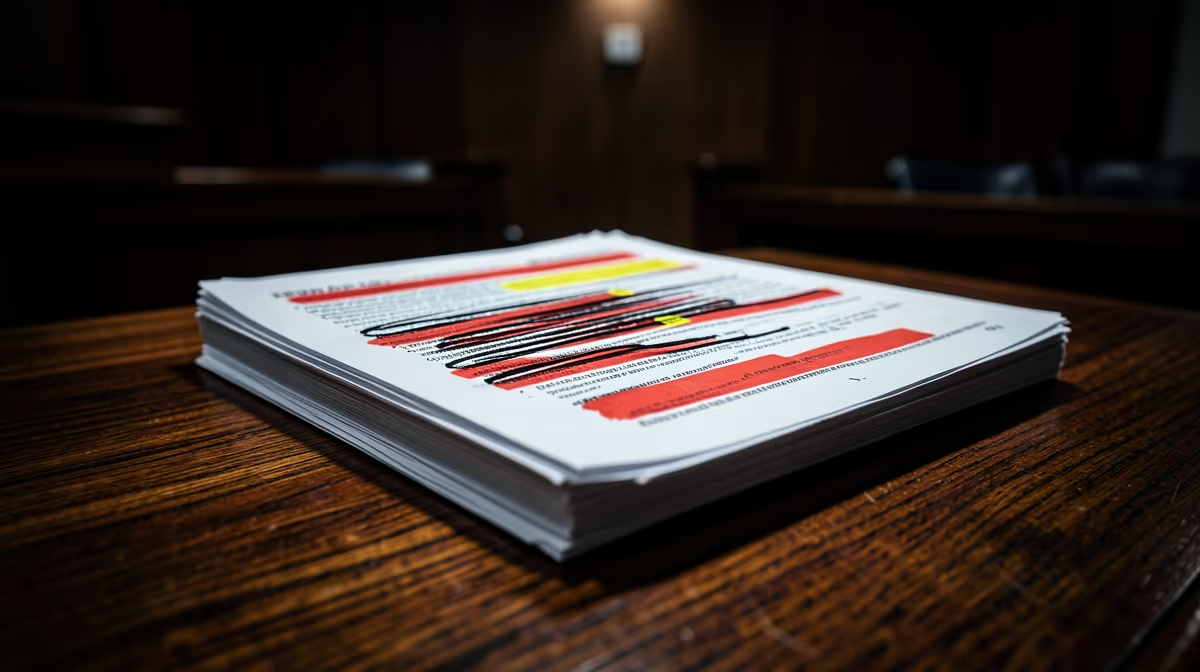
Federal authorities in the United States have released a final tranche of heavily redacted court documents detailing the associates of the late convicted sex offender Jeffrey Epstein, prompting renewed scrutiny from lawmakers and victims advocacy groups nationwide. As the latest batch of epstein files is made public, investigators are piecing together new information regarding hidden networks that allowed elite impunity and institutional capture to persist for years.
Background And Core Origins
The documents stem from a resolved 2015 defamation lawsuit filed by victim Virginia Giuffre against Epstein associate Ghislaine Maxwell. A federal judge ordered the unsealing of these names, lifting previous redactions and pseudonyms used in the original court case. Jeffrey Epstein was a well connected American financier who was first convicted of sex crimes in Florida in 2008 in a controversial plea deal. He was arrested again in July 2019 on federal sex trafficking charges in New York, and died by suicide in his jail cell a month later, leaving many questions about his network of associates unanswered. Ghislaine Maxwell is currently serving a 20-year prison sentence for helping Epstein recruit and abuse underage girls following her conviction in 2021. Law enforcement agencies have not announced new criminal charges directly tied to the newly released batch of documents.
The Mechanics Of The Unsealed Records
The newly unsealed files stem from the civil defamation lawsuit in New York. While the majority of the information within the latest release has previously appeared in media reports or earlier court filings, the official disclosure provides a centralized repository of depositions, flight logs, and correspondence. Throughout the documents, numerous high-profile figures from politics, business, and entertainment are mentioned, including Prince Andrew, former President Bill Clinton, and various celebrities, though many were already known publicly. It is important to understand that simply being named in these documents does not automatically mean someone broke the law or did something illegal. Many of the names belong to people who were merely mentioned in passing, witnesses, or individuals whose names appeared during legal depositions. Federal prosecutors and investigative journalists have spent years parsing the depositions of witnesses and victims to distinguish between peripheral acquaintances and active participants in the trafficking ring.
Institutional Implications And Systemic Analysis
The root cause of this ongoing scandal involves the systemic exploitation of elite impunity and institutional capture by intelligence-adjacent intermediaries to manufacture kompromat for leverage. From a political angle, the records reveal a bipartisan exposure of a transnational patronage network, demonstrating how access to power transcends traditional party lines and weaponizes social circles for political coercion. Economically, the documents highlight the shielding of illicit capital flows, dark money foundations, and opaque philanthropic networks that allow ultra-wealthy individuals to operate outside regulatory scrutiny. Geopolitically, the handling of these cases contributes to the erosion of trust in Western democratic institutions and intelligence agencies, providing fodder for adversarial propaganda regarding Western elite corruption. Historically, observers note parallels to the scandal surrounding the Maxwell family publishing empire, Robert Maxwell's suspected intelligence ties, and the murky circumstances of his death in 1991.
Why Public Scrutiny Persists
This document release matters because it shines a light on institutional accountability and how the wealthy and powerful could potentially shield themselves or operate with impunity for years. For the general public, it is a test of trust in the justice system, proving that even the most protected circles can eventually have their private documents exposed, though it also raises concerns about the fairness for people whose reputations might be unfairly damaged by mere association. The primary people affected are the victims of Jeffrey Epstein seeking closure and truth, the high-profile individuals whose reputations are facing renewed scrutiny, and the broader American public interested in justice and government transparency. Legal analysts note that this document dump likely marks the conclusion of major court-ordered unsealings related to the civil litigation. However, advocacy groups continue to pressure the Department of Justice and other federal agencies to release any remaining investigative records to ensure complete transparency regarding the network that enabled Epstein crimes. Transparency advocates and legal experts have emphasized the distinction between being named and being implicated. Attorney Gloria Allred, who represents several of Epstein victims, stated publicly that the release of these documents is an important step toward accountability, but it must be followed by a continued commitment to investigating all individuals who facilitated these horrific acts.
Immediate Forecast And Institutional Response
Media outlets and independent researchers will continue parsing newly unsealed documents for high-profile names, leading to viral social media trends and preliminary statements from representatives of mentioned figures over the next 24 hours. In the subsequent 72 hours, legal analysts will debate the admissibility and credibility of the unsealed testimonies, while public pressure mounts on federal agencies and institutions to release unredacted versions of withheld files. The key players involved in this ongoing fallout include the Department of Justice, investigative journalists, legal representatives of named individuals, and surviving victims, impacting areas such as public trust in institutions, political reputation management, legal and investigative journalism, and civil litigation. Expert prediction indicates that the immediate aftermath will yield significant public outrage and media scrutiny, though direct criminal prosecutions resulting solely from these document drops remain unlikely without prior active investigations. In a best-case scenario, the release provides closure for victims, transparency without compromising innocent parties, and prompts systemic reforms in how institutional accountability is handled. In a worst-case scenario, widespread misinformation, doxxing, and weaponization of unverified allegations damage innocent reputations and further polarize public discourse.
Frequently Asked Questions
What are the Epstein files?
The Epstein files refer to a large collection of court documents, investigative records, and deposition transcripts related to the convicted sex offender Jeffrey Epstein. These documents stem from various civil and criminal lawsuits involving Epstein, his associates, and his victims. They have been progressively unsealed by federal judges to provide public transparency.
When were the latest Epstein documents released?
The most recent major release of unsealed documents occurred in January 2024, following a federal court order by Judge Loretta Preska. This batch included hundreds of pages naming dozens of high-profile individuals, associates, and witnesses. Additional smaller tranches of documents have also been made public through ongoing Freedom of Information Act requests and court motions.
Who is named in the Epstein court records?
The records mention a wide variety of figures, including politicians, business leaders, royalty, and celebrities, as well as Epstein employees and victims. It is important to note that being named in the documents does not automatically imply illegal activity or wrongdoing. Many individuals mentioned were simply part of Epstein social or professional circle or were referenced during witness testimonies.
Are the Epstein files accessible to the public?
Yes, significant portions of the unsealed court records are publicly available online through the U.S. District Court for the Southern District of New York. Media organizations, legal researchers, and the general public can access these files to review the court proceedings. However, some sections remain redacted to protect the privacy of victims and individuals not facing criminal accusations.
Did the Epstein files lead to new criminal charges?
The release of the documents primarily brought renewed public scrutiny rather than an immediate wave of new federal criminal indictments. Investigators have largely focused their efforts on individuals previously identified in the broader investigation surrounding Epstein and Ghislaine Maxwell. Legal experts note that the files largely consolidate information from prior depositions and civil suits rather than entirely new evidence.
How many victims are associated with Jeffrey Epstein?
Dozens of women have come forward publicly and in legal filings to accuse Jeffrey Epstein of abuse, trafficking, and exploitation. The exact number of victims remains higher when including those who participated in confidential settlements or chose not to speak publicly. The testimonies of these survivors form the core of the criminal and civil records associated with his case.
Conclusion
The systematic unsealing of the epstein files concludes a major chapter of civil litigation stemming from the 2015 defamation lawsuit while highlighting deep-seated questions regarding institutional accountability and elite networks. While the records consolidate prior depositions and testimony rather than introducing new criminal indictments, the fallout continues to exert pressure on federal agencies, legal systems, and public institutions. Researchers, legal analysts, and advocacy groups will continue to monitor the Department of Justice and other entities for any future declassifications or related investigative steps, balancing the demand for public transparency with the protection of due process and victim privacy.


