
Fairlife Milk Cyber Attack Exposes Critical Supply Chain Weakness
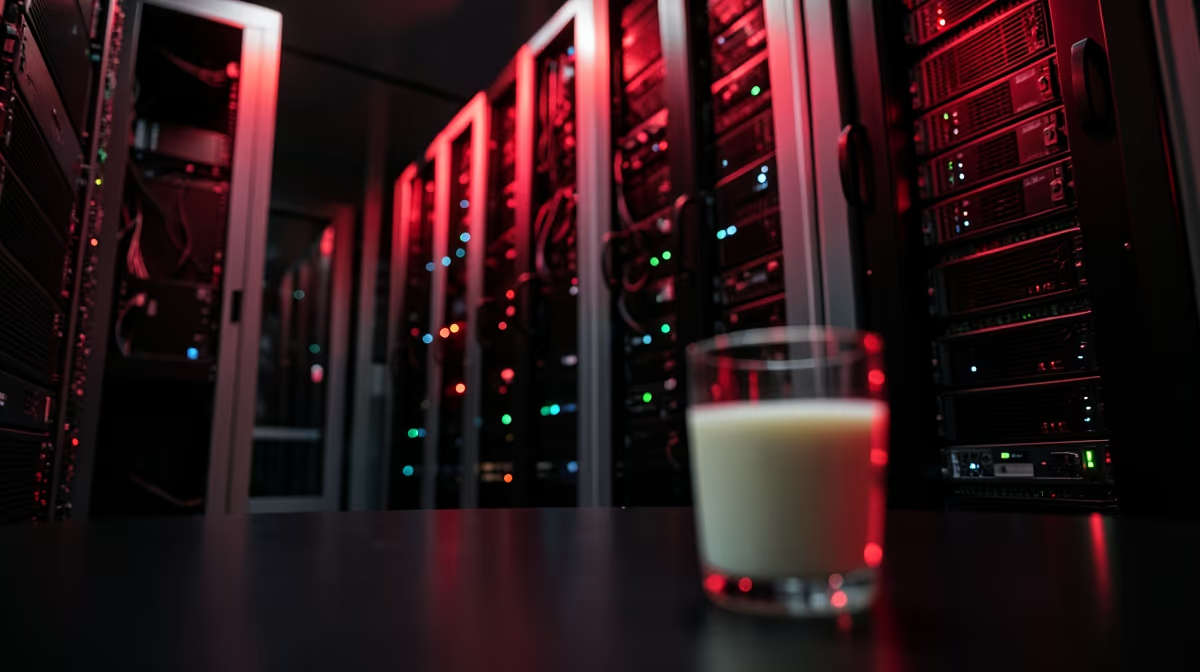
Digital vulnerability has moved from the periphery of corporate operations to the very center of the global food supply chain, exposing critical systemic risks within major manufacturing giants. The recent fairlife milk cyber attack has raised significant concerns regarding food supply chain security and the vulnerability of major manufacturers to digital threats, prompting a re-evaluation of how essential goods are protected in an increasingly connected world.
The Anatomy of the Incident
Fairlife, the prominent dairy brand under the Coca-Cola Company umbrella, recently confirmed a significant data breach following a sophisticated cyberattack. The incident, disclosed in late 2024, involved unauthorized access to internal corporate systems, forcing the company to initiate emergency containment protocols. Upon detecting suspicious activity within its network, fairlife moved quickly to take specific systems offline to isolate the breach and mitigate potential damage to its production and administrative operations.
While the company has been working with third-party cybersecurity specialists to restore its digital infrastructure, the incident highlights a growing trend of ransomware groups targeting the food and beverage manufacturing sector. As the dairy supply chain relies on high-speed, automated digital systems, the integration of these platforms makes them lucrative targets for threat actors. Currently, fairlife is collaborating with law enforcement agencies and state regulators to address the fallout of the incident and fortify its defenses against future threats.
Root Causes and Systemic Vulnerabilities
Analysts suggest the incident stems from the intersection of legacy operational technology vulnerabilities and the integration of highly centralized supply chain data platforms following the 2020 acquisition of fairlife by The Coca-Cola Company. When a major supplier faces a sudden system shutdown, the impact is not limited to internal administrative processes; it can cause ripples across the retail sector, leading to temporary product shortages and heightening anxiety regarding the security of business data.
Beyond the immediate technical failure, the situation exposes the fragility of critical infrastructure. There is an increasing concern that as the agricultural industry pivots toward Industry 4.0, the digitization of historically analog biological data creates new attack vectors. This shift, while improving efficiency, simultaneously provides opportunities for corporate espionage or the theft of proprietary genetic strains, marking a significant departure from the traditional security risks faced by agricultural producers in decades past.
Regulatory and Economic Implications
The political dimension of this breach has already prompted increased scrutiny from the United States Department of Agriculture and the Cybersecurity and Infrastructure Security Agency regarding food supply chain resilience. Federal regulators are viewing the event as a matter of national security, given how centralized food processing sectors can be weaponized to cause systemic market shocks, similar to the 2021 JBS USA cyberattack.
From an economic perspective, the disruption to high-margin dairy assets has forced a temporary reliance on spot-market commodities. This operational shift can cause cost spikes in the supply chain, potentially manifesting as localized inflation in the ultra-filtered dairy segment. Furthermore, the geopolitical angle cannot be ignored; there is a persistent threat that state-sponsored or proxy ransomware syndicates may target major US agricultural exports specifically to disrupt domestic food stability and erode public trust in corporate monopolies.
The Human Cost of the Breach
While the company maintains that no consumer or customer financial data was compromised, the incident did lead to the unauthorized access of sensitive personal information belonging to a limited number of current and former employees. This data includes names and social security numbers, representing a significant breach of privacy for the affected workforce. In response, fairlife has begun the process of notifying these individuals and providing them with complimentary credit monitoring and identity theft protection services.
In an official notice to the affected staff, fairlife stated that they take the protection of employee personal information very seriously and regret any concern the incident may cause. The company emphasized that it is working diligently to enhance its security measures to prevent similar occurrences in the future. For the broader consumer base, the assurance provided by the company is that the breach was contained to digital systems and that product safety has remained uncompromised throughout the investigation.
Looking Toward Resolution
The trajectory of this incident suggests a period of intensive remediation. Within the next 24 hours, experts anticipate increased public communication from fairlife regarding data breach containment and the active deployment of identity monitoring services for those affected. Within the next 72 hours, it is likely that the results of a full internal audit will be shared with federal regulators and law enforcement, marking a transition toward more rigorous oversight.
While a best-case scenario involves the swift implementation of multi-factor authentication and transparent remediation, the worst-case remains a sobering possibility. Should sensitive data be leaked on the dark web, the company could face widespread identity theft, major class-action litigation, and significant regulatory fines that might impact its quarterly financial performance. The current expert consensus points toward a short-term dip in consumer sentiment, followed by an aggressive brand recovery campaign that emphasizes the implementation of robust, hardened digital infrastructure.
Frequently Asked Questions
Did fairlife milk suffer a recent cyber attack?
In late 2024, fairlife experienced a significant data security incident involving unauthorized access to its internal systems. The company notified potentially affected individuals that certain personal information was accessed during this event.
What information was compromised in the fairlife data breach?
The compromised data included personal identifiers such as names and contact information, and for some individuals, additional sensitive data. Fairlife has stated they are working with cybersecurity experts to investigate the scope of the breach and prevent future occurrences.
Is my personal data safe after the fairlife security incident?
If your data was part of the breach, fairlife has committed to providing notification and support services. It is recommended that you monitor your financial accounts and credit reports for any suspicious activity if you received a formal notification letter.
What should I do if I was affected by the fairlife cyber attack?
Affected individuals should follow the instructions provided in the official notification letter from fairlife, which may include complimentary credit monitoring. You should also remain vigilant against phishing attempts and consider placing a fraud alert on your credit files.
Has the fairlife milk supply chain been affected by the cyber attack?
While the incident impacted internal business systems, there have been no reports of disruptions to the actual milk supply or product safety. Consumers can continue to purchase and consume fairlife products as usual, as the breach was limited to digital systems.
How can I check if my information was part of the fairlife breach?
Fairlife has been sending direct notifications to those identified as being impacted by the incident. If you have not received a notice, you are likely not among the group whose data was compromised.
Conclusion
The cyberattack against fairlife serves as a stark reminder of the digital dependencies inherent in the modern food supply chain. While the company has successfully contained the breach and ensured that the physical production and safety of their products remain unaffected, the exposure of sensitive employee information and the resultant regulatory scrutiny underscore a critical shift in how the food and beverage industry must approach cybersecurity. As fairlife continues to cooperate with federal agencies and works to harden its IT/OT infrastructure, the broader sector must prepare for a future where agricultural data is a high-value target. Moving forward, the focus remains on the completion of the internal investigation, the ongoing support for impacted personnel, and the strengthening of digital protocols to protect against future ransomware threats.


.webp)


.webp)
