
iPhone 18 Pro Apple Leaks Reveal Major Shifts in Mobile Technology
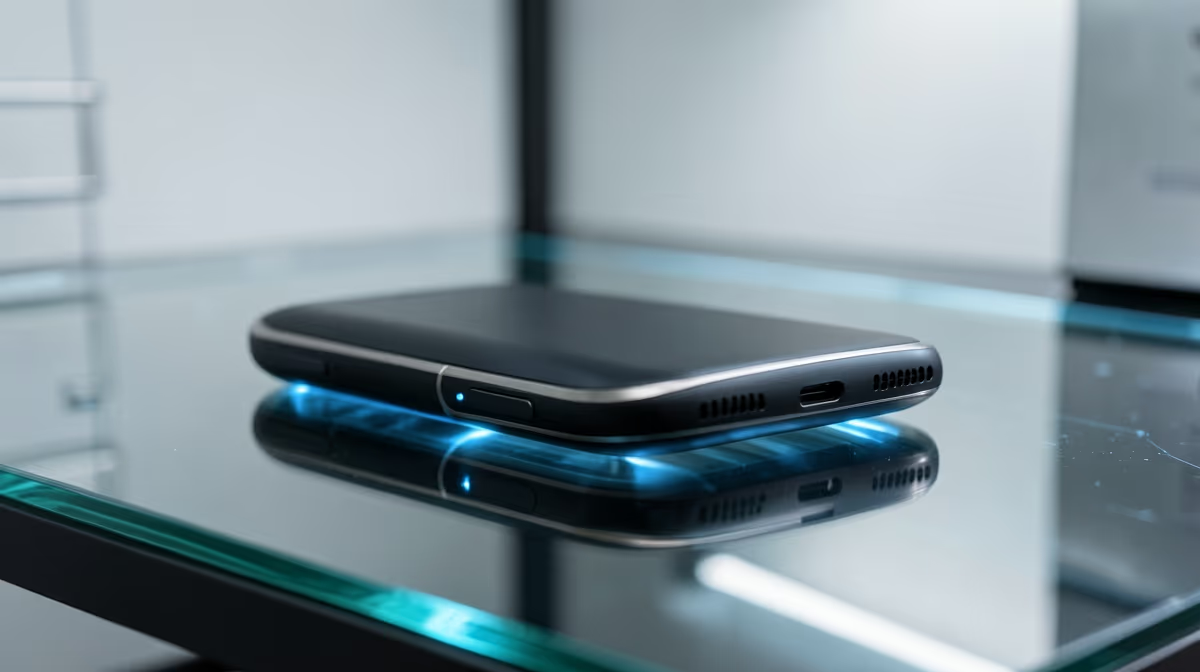
The silhouette of mobile computing is currently being redrawn within the high-security labs of Cupertino as development teams finalize the foundational architecture for the next generation of mobile devices. As enthusiasts eagerly track the latest iPhone 18 Pro Apple leaks, we analyze how these upcoming developments define future smartphone technology. While the Apple iPhone 18 Pro Max remains a subject of intense speculation, new industry intelligence provides a glimpse into the hardware shifts expected from Apple Inc. as it prepares for a 2026 product cycle.
The Architectural Shift
Industry analysts indicate that Apple has begun coordinating with primary foundry partner TSMC to secure production capacity for the 2-nanometer chipset, which is widely expected to debut in the iPhone 18 Pro lineup. This transition represents a significant leap in energy efficiency and transistor density compared to current 3nm processes, potentially setting new benchmarks for mobile battery longevity and computational power. The move toward 2nm architecture is not merely an incremental speed boost; it is a calculated effort to maintain a performance lead against encroaching Android competitors who are similarly focused on aggressive AI integration. By moving to this smaller, more efficient node, Apple aims to enable more intensive on-device processing without the traditional thermal penalties that have historically limited high-end smartphone utility.
Hardware Engineering and Design
While design cycles remain strictly internal, recent intelligence points toward a concentrated effort to refine the titanium frame assembly. Sources suggest that Apple is evaluating new material coating techniques aimed at improving scratch resistance while simultaneously reducing the overall weight of the device. This approach is designed to maintain the premium aesthetic associated with the Pro line while addressing the inherent thermal dissipation challenges that accompany high-performance hardware. Beyond the chassis, there is significant chatter regarding R&D investments in under-display camera technology and advanced sensor integration. These components are critical for the hardware roadmap, as Apple looks to maximize display real estate while enhancing the fidelity of its imaging systems.
Strategic Focus on Imaging
Pro photographers and videographers form a core demographic for the Apple iPhone 18 Pro Max, and upcoming hardware iterations appear designed to meet their increasing demands. Reports from within the supply chain suggest that Apple is finalizing specifications for a proprietary camera module that could integrate variable aperture technology across more lenses. This hardware iteration aims to enhance low-light performance and provide manual depth-of-field control, addressing consistent feedback from mobile imaging professionals. By shifting the hardware focus toward modular precision in its lens systems, Apple is attempting to solidify its position as the preferred tool for high-end mobile creators.
The Economic and Political Climate
The development of the 2026 flagship cycle reflects a broader shift in how global tech giants approach manufacturing and supply chains. Apple is currently navigating a period of intense domestic lobbying in Washington to secure subsidies for US-based semiconductor production, even as it balances a complex, multi-decade dependence on assembly lines in China. Geopolitically, the development of the 18 Pro serves as a proxy for the ongoing bifurcation of the global tech supply chain. We are seeing a strategic push to move assembly and manufacturing into regions like India and Vietnam, a move that reduces reliance on any single geopolitical node. This transition is further fueled by the need to optimize average selling prices, as the company pivots away from volume-based growth toward a high-margin, closed-loop ecosystem where hardware acts as a gateway to proprietary intelligence services.
Predicting the 2026 Landscape
Market watchers should expect a cycle characterized by iterative hardware refinements rather than radical departures from current design language. In the next 24 hours, tech news aggregators and social media leakers are expected to continue speculating on component supply chain movements, specifically focusing on TSMC's progress with the 2nm manufacturing process. Looking toward the 72-hour horizon, we anticipate an increase in discussions regarding R&D into sensor-in-display integration. While the best-case scenario involves breakthroughs in battery density and thermal management that redefine device performance, the worst-case remains centered on potential production delays for 2nm chips, which could force Apple to stagger releases or compromise on performance, leading to market volatility.
Why This Matters
For the average consumer, these developments signal a change in the trajectory of mobile hardware. If Apple successfully scales these technologies, the end result will be a device that maintains peak performance for longer, holds a charge through more demanding tasks, and facilitates complex on-device processing without heating up. The industry is currently moving away from the era of simple feature bloat and toward a model of efficiency-driven performance. For investors and enthusiasts, the iPhone 18 Pro represents more than just a new phone; it serves as a barometer for how the semiconductor industry, display innovators, and consumer hardware designers are responding to the demand for sustainable, high-power mobile computing in an increasingly saturated market.
Frequently Asked Questions
What are the latest leaks about the iPhone 18 Pro?
Current rumors suggest the iPhone 18 Pro may feature advancements in under-display camera technology and potential integration of Apple’s next-generation A-series silicon. Analysts are also speculating about significant upgrades to battery density and improved thermal management systems to support more intensive AI features.
When is the iPhone 18 Pro expected to be released?
Following Apple's traditional release cycle, the iPhone 18 Pro is anticipated to launch in September 2026. While no official date has been set, Apple typically hosts its major hardware events in the second week of September.
Will the iPhone 18 Pro have a new design?
Leaks indicate that Apple might refine the titanium chassis introduced in earlier models to be both lighter and more durable. There is also ongoing speculation regarding a potential shift toward a completely portless design and further optimization of the Dynamic Island layout.
How much will the iPhone 18 Pro cost in the US?
While pricing remains speculative, the iPhone 18 Pro is expected to maintain a starting price similar to current Pro models, likely around $999. However, costs could fluctuate based on storage configurations and any major manufacturing cost increases for new hardware components.
What camera upgrades are coming to the iPhone 18 Pro?
Rumors point toward a major upgrade in the telephoto lens capabilities and the potential inclusion of a variable aperture system. These enhancements are expected to significantly improve low-light photography and provide more professional-grade manual controls for mobile videographers.
Is the iPhone 18 Pro worth waiting for?
Deciding whether to wait for the iPhone 18 Pro depends on your current device's performance and your interest in upcoming AI integration and hardware advancements. If you currently own an iPhone 15 Pro or newer, the incremental updates may not be necessary unless you prioritize the latest technological breakthroughs.
Conclusion
The development trajectory of the iPhone 18 Pro reveals a deliberate pivot toward 2nm silicon and enhanced camera modularity, positioning Apple to capitalize on the next wave of mobile computational requirements. While final specifications and designs remain in the pre-production phase, the strategic integration of advanced semiconductors and hardware refinements underscores a long-term commitment to maintaining a dominant market position. As Apple continues its internal R&D cycles through 2026, the focus will remain on balancing performance gains with global supply chain stability. For stakeholders and consumers alike, the roadmap points to an iterative but highly refined evolution of the smartphone form factor.


.webp)


.webp)
