
Iran Ukraine Military Evidence Shakes Western Security Alliances
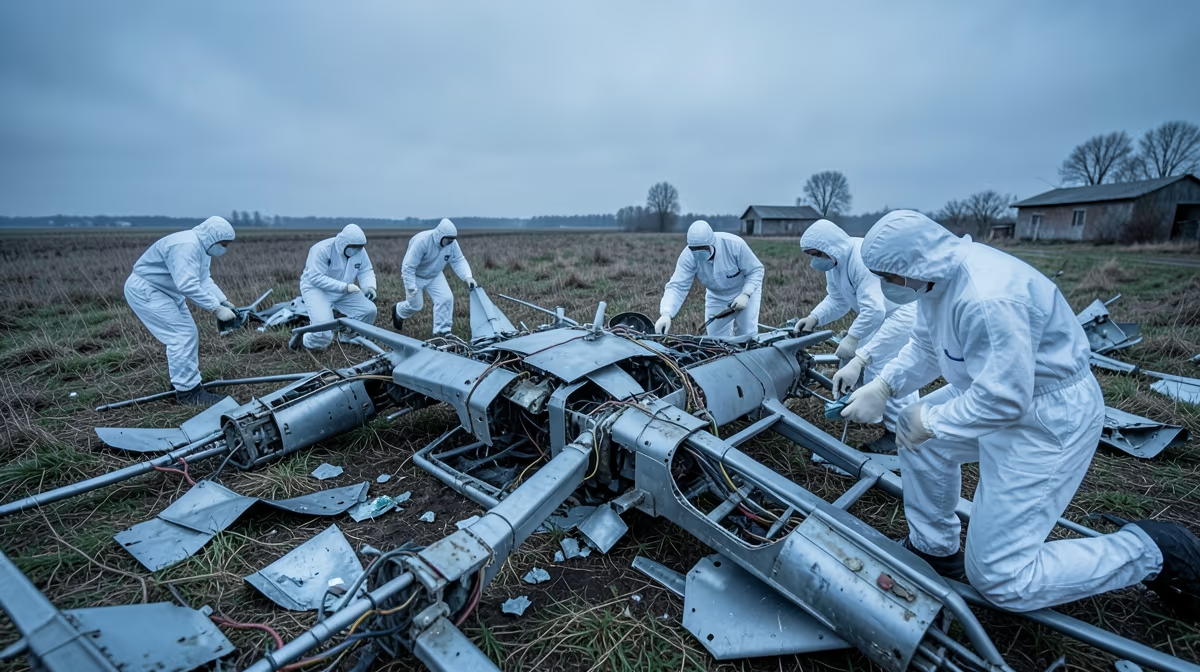
International investigators confirmed on Tuesday that military hardware recovered from recent strike sites in Ukraine matches Iranian-manufactured Shahed drones, escalating diplomatic tensions between Kyiv and Tehran as Western allies prepare new sanctions. As tensions escalate globally, the intersection of iran ukraine dynamics continues to shape international politics and security. The forensic findings arrive amid an intensified campaign of aerial bombardments targeting Ukrainian critical infrastructure. Ukrainian intelligence officials presented physical debris and telemetry data to international monitors, demonstrating that guidance systems and engine components were produced inside Iran despite repeated denials from Tehran regarding direct military assistance to Moscow. Western governments have condemned the ongoing military cooperation between Russia and Iran, characterizing the arms transfers as a direct violation of United Nations Security Council resolutions. Diplomatic channels between Kyiv and Tehran remain strained, with Ukraine having previously downgraded diplomatic relations and expelled the Iranian ambassador. In response to the mounting evidence, European Union and United States officials are coordinating a new package of economic sanctions targeting Iranian defense industries and logistics networks involved in the supply chain. Meanwhile, air defense units across Ukraine continue to adapt their countermeasures to intercept the loitering munitions.
Behind The Supply Chain
Recent international investigations and intelligence reports have revealed a growing military partnership between Iran and Russia. Tehran has reportedly been supplying Moscow with thousands of explosive drones and other weaponry, which Russian forces are using to target Ukrainian cities and civilian infrastructure. In order to bypass Western export controls, the integration of sanctioned financial networks and barter systems has allowed both nations to bypass SWIFT through the Caspian Sea corridor, while stabilizing domestic fuel and agricultural imports for Iran. In return, experts believe Russia is providing Iran with advanced military technology and cyber cooperation. This alliance has alarmed Western leaders, as it directly impacts the conflict in Ukraine and shifts geopolitical balances in the Middle East. Ukraine air defense systems are under constant pressure trying to shoot down these Iranian-designed drones, leading to widespread power outages and civilian casualties. Meanwhile, Ukraine and its allies are ramping up diplomatic and economic pressure on Tehran to stop the weapons shipments. Following the 2022 Russian invasion of Ukraine, Moscow faced severe international isolation and Western sanctions. As Russia depleted its conventional weapons stockpiles, it turned to Iran, which has decades of experience developing drones under heavy international sanctions, creating a new axis of military cooperation.
Verified Technical Evidence
Physical debris recovered in Ukraine matches Iranian-made Shahed-136 and Mohajer-6 drones. Ukraine has previously downgraded diplomatic ties with Iran over drone supplies to Russia, and Western intelligence agencies have thoroughly verified the transfer of military hardware from Iran to Russia. International monitors are currently reviewing technical data extracted from downed aircraft to map out the exact supply routes and manufacturing origins. Ukrainian Foreign Minister Dmytro Kuleba stated that the evidence on the ground is indisputable, and that Iran continues to lie about its complicity in the destruction of Ukrainian infrastructure. Meanwhile, Iranian Foreign Ministry spokesperson Nasser Kanaani reiterated Tehran official stance, describing the allegations as baseless and politically motivated fabrications. The physical presence and use of Iranian-manufactured drones by Russian forces in Ukraine have been independently verified by international experts and weapons investigators, establishing a clear link between Tehran industrial output and Eastern European battlefields.
Geopolitical And Strategic Analysis
The convergence of anti-Western state survival strategies, driven by severe economic isolation, has incentivized mutual military-industrial dependency between Moscow and Tehran. Tehran leverages the ukraine conflict to extract advanced Russian military technology and diplomatic backing, while Moscow secures a reliable, asymmetric supply of expendable munitions to bypass Western export controls. This dynamic marks the solidification of a revisionist axis designed to stress-test Western deterrence, strain European air defenses, and accelerate the transition toward a multipolar, sanctions-resistant global order. Furthermore, the deployment of Iranian drone and ballistic missile components to Ukraine serves as an invaluable, real-world combat laboratory for Tehran to test and refine its asymmetric warfare capabilities against NATO-standard electronic warfare. Historical parallels can be drawn to material cooperation during past peripheral proxy conflicts where major-power weapon systems and ideological alignment were tested. This institutionalized military-industrial integration between Iran and Russia is actively reshaping Middle Eastern security dynamics and prolonged attrition in Eastern Europe.
Why This Matters
This partnership connects two major geopolitical conflicts, specifically the war in Ukraine and tensions in the Middle East, making global security significantly more fragile. It demonstrates how isolated nations like Russia and Iran are helping each other bypass Western sanctions, prolonging the war in Ukraine and threatening stability far beyond Europe borders. The primary groups affected by these developments include Ukrainian civilians facing daily drone attacks, Western governments monitoring global security, and nations in the Middle East concerned about Iran receiving advanced Russian military technology. As intelligence reports suggest potential transfers of Iranian ballistic missiles to Russia, the international community faces heightened risks of technological proliferation and regional escalation.
Outlook And Projected Timeline
Diplomatic exchanges and intelligence sharing will likely intensify over the next 24 hours regarding Iran alleged supply of ballistic missiles and drones to Russia for use in Ukraine. Within the next 72 hours, Western allies may announce coordinated sanctions targeting Iranian entities and individuals involved in military transfers to Russia. Expert prediction indicates that the increased integration of Iranian and Russian military logistics will prompt stronger Western economic countermeasures and closer intelligence cooperation between Ukraine and its allies. The best-case scenario involves increased transparency and diplomatic pressure deterring further lethal aid transfers, thereby reducing escalation risks. Conversely, the worst-case scenario entails a deepening military alliance between Moscow and Tehran leading to expanded proliferation of advanced weaponry, severely exacerbating the conflict in Ukraine and destabilizing the Middle East.
Frequently Asked Questions
Why is Iran involved in the war in Ukraine?
Iran has been involved primarily through the supply of military equipment to Russia, notably Shahed loitering munitions and drones. Western intelligence and Ukrainian officials have documented extensive use of these Iranian-made weapons against civilian infrastructure and military targets in Ukraine. Tehran initially denied these claims, though later acknowledged providing limited drone supplies prior to the conflict escalation.
What kind of drones does Russia get from Iran?
Russia primarily utilizes Shahed-136 and Shahed-131 kamikaze drones, which Iran supplies for long-range strikes across Ukraine. These unmanned aerial vehicles are designed to overwhelm air defense systems and target critical energy infrastructure. Reports also indicate that Russia has established domestic production facilities based on Iranian designs to manufacture these drones locally.
How has Ukraine responded to Iran support for Russia?
Ukraine has strongly condemned Iran military assistance to Moscow, leading to a significant downgrading of diplomatic relations between Kyiv and Tehran. Ukrainian officials have called for stricter international sanctions against Iran and have shared intelligence with Western allies regarding military transfers. Additionally, Ukraine has actively worked on developing countermeasures and electronic warfare techniques to intercept and neutralize Iranian-supplied drones.
Are Iranian personnel operating in Ukraine?
Western and Ukrainian intelligence agencies have reported the presence of Iranian military advisors and technical personnel in Russian-occupied territories of Ukraine. These personnel are allegedly assisting Russian forces with the deployment, maintenance, and training related to drone operations. Iran has consistently denied deploying troops or military personnel to assist in the invasion.
What are the international sanctions against Iran regarding Ukraine?
The United States, the European Union, the United Kingdom, and other allies have imposed multiple rounds of sanctions targeting Iranian individuals, entities, and defense organizations involved in drone and missile proliferation. These punitive measures freeze assets, impose travel bans, and restrict trade related to military technology. Further restrictions have been discussed as intelligence suggests potential transfers of Iranian ballistic missiles to Russia.
Does Iran support Russia or Ukraine diplomatically?
Diplomatically, Iran maintains a strategic partnership with Russia, deepening military, economic, and political ties since the onset of the war. While Tehran officially claims to maintain a neutral stance and advocates for a negotiated end to the conflict, its practical actions and UN voting records heavily favor Moscow. This alignment is part of Iran broader strategy to counter Western influence through closer ties with anti-Western powers.
Conclusion
The verified findings regarding the transfer and deployment of Iranian-manufactured military hardware in Ukraine underscore a profound shift in global defense postures and international alignment. As international monitors review physical debris and intelligence data, diplomatic and economic pressures from Western allies and Ukraine continue to mount against Tehran. The ongoing integration of Russian and Iranian military logistics highlights the critical need for coordinated sanctions enforcement and strengthened air defense countermeasures. Realistic next steps involve the finalization of new economic penalties by the European Union and the United States, alongside continued intelligence sharing to monitor potential ballistic missile transfers and further military-industrial collaboration between Moscow and Tehran.


