
Kevin Warsh and Fed Policy Shift Reveal Higher Stakes Ahead
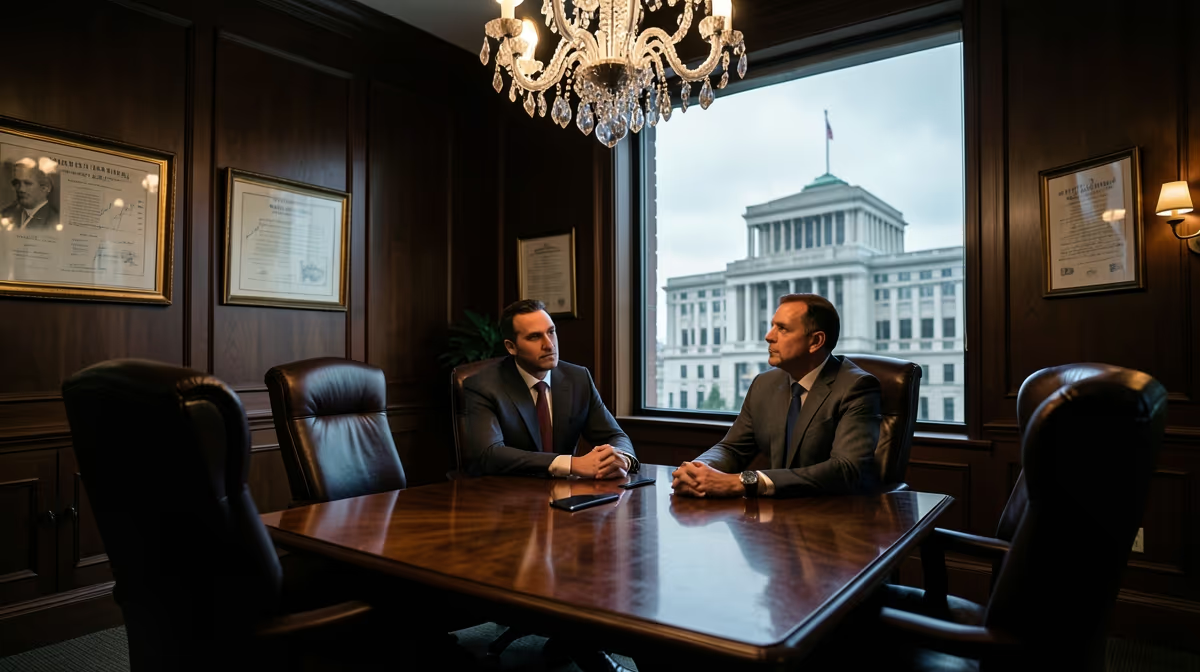
Former Federal Reserve Governor Kevin Warsh has emerged as a leading candidate for high-level economic positions within the incoming U.S. administration, bringing his extensive central banking background and Wall Street experience back to the forefront of national policy discussions. Financial markets and media outlets are speculating intensely on his potential nomination or role in upcoming economic policy positions, turning the spotlight once again toward orthodox monetary discipline and structural financial reform. Warsh, who served on the Federal Reserve Board of Governors from 2006 to 2011 during the global financial crisis, has been meeting with key transition advisors to discuss potential roles in shaping domestic and international economic strategy. Known for his monetary policy hawkishness and advocacy for structural economic reforms, Warsh's potential appointment has generated significant interest among financial markets and policymakers alike.
The Mechanics Of Central Banking And Transition Discussions
During his tenure at the Fed, Warsh was recognized for his close working relationship with then-Chairman Ben Bernanke and played a crucial role in navigating the central bank's emergency lending facilities. In recent years, he has remained an influential voice in economic circles, frequently publishing critiques of contemporary monetary policy and calling for regulatory overhauls to foster greater market dynamism. Financial analysts and political insiders suggest that Warsh's background positions him as a credible candidate for leadership roles, though official announcements from the transition team remain pending. Observers note that his appointment could signal a shift toward tighter monetary oversight and a renewed emphasis on fiscal discipline. As policy circles analyze his past Federal Reserve stances and recent commentary for clues on future regulatory and monetary policy directions, transition advisors continue evaluating candidates who possess deep institutional knowledge. Kevin Warsh possesses a deep understanding of both the theoretical and practical mechanics of global financial systems, making him uniquely qualified to address current economic headwinds, noted an anonymous transition advisor familiar with the ongoing discussions.
Foundational Background And Career Trajectory
Kevin Warsh is an American economist, attorney, and former central banker whose career spans elite financial institutions and high-level government service. He earned his Bachelor of Arts degree from Stanford University in 1992, studying public policy and economics, before attending Harvard Law School to earn his Juris Doctor in 1995. Following his legal education, Warsh spent years building an investment banking career at Morgan Stanley, gaining direct exposure to capital markets and corporate finance. Appointed by President George W. Bush, he became a special assistant to the President for economic policy before taking his place on the central bank's board. Serving from 2006 to 2011, Warsh was the Fed's youngest-ever governor at age 35 when he took office, acting as a key liaison to Wall Street and helping manage liquidity crises and emergency lending programs during the global financial meltdown. Currently, he serves as a visiting fellow at Stanford University's Hoover Institution and a lecturer at the Stanford Graduate School of Business, while also advising various investment firms and corporations.
Roots Of Economic Philosophy And Policy Tension
The structural tension between traditional central banking orthodoxy and the rising demand for monetary populism frames much of the current debate, where Warsh represents the establishment elite's attempt to regain institutional credibility through hawkish monetary policy. This dynamic functions as a proxy battle between Wall Street-aligned technocrats and populist economic factions, with Warsh serving as a compromise figure acceptable to traditional conservatives and financial elites. His economic platform emphasizes balance sheet normalization, deregulation of the banking sector, and a skeptical view of prolonged quantitative easing, signaling potential friction with debt-dependent fiscal policies. On the geopolitical front, his approach aligns with the reassertion of U.S. dollar hegemony through orthodox monetary discipline, contrasting with aggressive foreign central bank interventions. Furthermore, his deep familial and matrimonial ties to the Lauder cosmetics fortune integrate him into a powerful nexus of old-money philanthropy, media influence, and Republican donor networks. Historically, analysts compare this juncture to the 1979 appointment of Paul Volcker, where an economic hardliner is brought in to restore systemic credibility at the cost of immediate political friction and growth.
Market Implications And Risk Scenarios
The decisions made by leaders in economic policy directly impact the everyday lives of Americans through mortgage rates, borrowing costs, and overall market stability. Everyday consumers, borrowers, investors, and businesses across the United States are affected because economic policy dictates the cost of loans, housing markets, and job availability. If someone with Warsh's specific financial philosophy takes on a major role, it could change how the U.S. tackles inflation and shapes the future of the nation's banking system. Under the best-case scenario, markets would witness a smooth integration into economic policy discussions, reassuring participants with his private sector experience and central banking background. Conversely, the worst-case scenario involves concerns over policy conflicts and market volatility due to divergent views on interest rate paths and regulatory oversight. Analysts expect him to be considered for a major economic advisory or regulatory role, prompting ongoing debates over his stance on inflation and central bank independence.
Frequently Asked Questions
Who is Kevin Warsh?
Kevin Warsh is an American economist, attorney, and former central banker. He served as a member of the Board of Governors of the Federal Reserve System from 2006 to 2011, playing a significant role during the 2008 financial crisis.
What is Kevin Warsh's educational background?
He earned his Bachelor of Arts degree from Stanford University in 1992, where he studied public policy and economics. Afterward, he attended Harvard Law School, earning his Juris Doctor in 1995.
What was Kevin Warsh's role at the Federal Reserve?
Appointed by President George W. Bush, Warsh was the Fed's youngest-ever governor at age 35 when he took office. He acted as a key liaison to Wall Street and helped manage liquidity crises and emergency lending programs during the global financial meltdown.
Where does Kevin Warsh work now?
Currently, Warsh works in academia and finance. He is a visiting fellow at Stanford University's Hoover Institution and a lecturer at the Stanford Graduate School of Business, while also advising various investment firms and corporations.
Is Kevin Warsh considered for government positions?
Yes, Warsh has frequently been mentioned by political leaders and financial experts as a top candidate for major economic posts. He was previously considered by President Donald Trump for the position of Federal Reserve Chair in 2017.
What are Kevin Warsh's views on monetary policy?
Warsh is often viewed as a monetary hawk who has sometimes criticized the Federal Reserve for keeping interest rates too low for too long. He advocates for structural economic reforms, regulatory simplification, and cautious inflation management.
Conclusion
Kevin Warsh remains an active contender for prominent economic advisory and leadership roles within the federal government, backed by a documented history of central banking service and financial sector experience. While financial markets and policy circles continue to analyze his past monetary stances and public commentary, official announcements regarding his specific Cabinet-level or agency nomination remain subject to final decisions by the administration. Stakeholders across financial and political sectors continue to monitor developments as transition discussions unfold.


