
Meta Stock Faces Massive Wall Street Shift Amid Escalating AI Costs
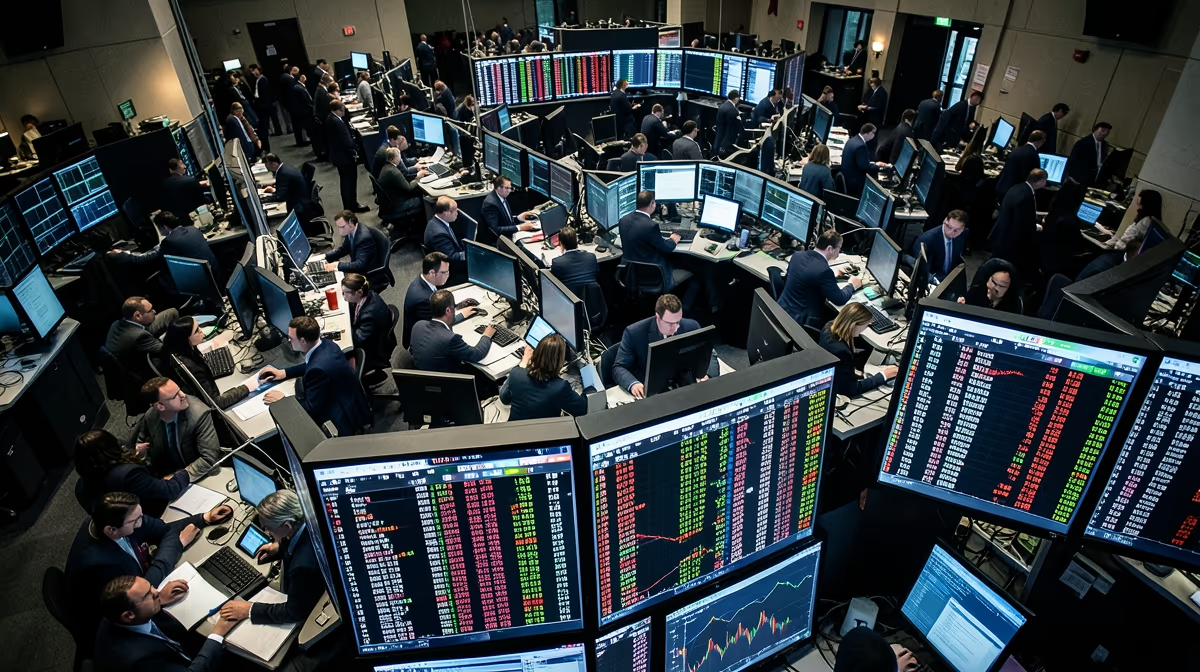
Wall Street traders are navigating a high-stakes balancing act as institutional portfolios recalibrate their exposure to **meta stock** amid soaring infrastructure costs and robust advertising figures. Meta Platforms Inc. shares experienced significant volatility on Wall Street this week as investors weighed the tech giant's aggressive capital expenditures in artificial intelligence against stronger-than-expected quarterly advertising revenue. Understanding the financial trajectory of the Facebook parent company requires examining how digital monetization models intersect with heavy long-term investments in artificial intelligence infrastructure.
The Evolving Revenue Engine
The social media conglomerate, parent company of Facebook, Instagram, and WhatsApp, reported robust digital ad sales that surpassed analyst projections, driven by improved algorithmic targeting and increased engagement across its family of apps. Financial analysts noted that while the high capital expenditure plan initially spooked short-term traders, long-term institutional holders remain focused on Meta's monetization of AI tools. Features such as Advantage+ ad campaigns and AI-driven content recommendations continue to yield measurable returns for enterprise customers, boosting average revenue per user in key geographic regions including the United States and Canada.
Meta generates the vast majority of its revenue through digital advertising across its family of apps, including Facebook, Instagram, Messenger, and WhatsApp. Additionally, a small portion of revenue comes from its Reality Labs division, which develops virtual and augmented reality products. Digital advertising remains the company's primary source of income, supported by daily and monthly active user growth. Management updated its capital expenditure guidance upwards to account for expanded AI infrastructure development, signaling to investors that operational costs will climb substantially over the next fiscal year.
Regulatory Pressures and Global Dynamics
Regulatory headwinds also remained in focus for shareholders, as Meta navigates ongoing antitrust scrutiny from federal agencies and compliance mandates under European Union digital markets legislation. Fragmenting global internet governance, data sovereignty laws in the EU, and strategic competition between US and Chinese tech conglomerates create a complex operating environment. Despite these legal challenges, the company's core financial health has remained resilient, supported by substantial free cash flow generation and ongoing share repurchase programs.
Intense lobbying and regulatory crossfire over data privacy, antitrust lawsuits from the FTC, and accusations of algorithmic bias continue to influence public policy discussions globally. Institutional investor sentiment has correspondingly shifted from pandemic-era digital ad growth and speculative metaverse spending toward high-yield AI integration and aggressive cost-cutting measures, echoing historical parallels like the railroad boom of the 19th century, characterized by massive capital outlays for foundational infrastructure followed by industry consolidation and intense public oversight.
Market Outlook and Near-Term Projections
Market analysts maintain a generally bullish outlook supported by strong ad demand and efficiency gains, though near-term volatility is expected. The next twenty-four hours are projected to see minor stock fluctuations driven by broader tech sector sentiment and macroeconomic data releases. Looking ahead to the next seventy-two hours, a consolidation period is anticipated as institutional investors reassess AI monetization timelines and advertising revenue resilience.
In a best-case scenario, a broader market rally combined with positive ad-tech updates pushes the stock toward new short-term resistance highs. Conversely, worst-case risks involve macroeconomic headwinds or regulatory pressures triggering a pullback, testing key support levels. Everyday investors, retirement funds holding tech stocks, small businesses relying on Meta platforms for advertising, and consumers who use Facebook, Instagram, and WhatsApp are all indirectly impacted by these shifting valuations.
Frequently Asked Questions
What is the stock symbol for Meta Platforms?
Meta Platforms trades on the NASDAQ stock exchange under the ticker symbol META. It was changed from FB in June 2022 to reflect the company's rebranding and focus on the metaverse.
Does Meta pay a dividend to its shareholders?
Yes, Meta initiated its first-ever quarterly dividend in early 2024. This move marked a significant milestone for the tech giant, signaling strong cash flow and a shift toward rewarding long-term investors.
What are Meta's primary sources of revenue?
Meta generates the vast majority of its revenue through digital advertising across its family of apps, including Facebook, Instagram, Messenger, and WhatsApp. Additionally, a small portion of revenue comes from its Reality Labs division, which develops virtual and augmented reality products.
How has Meta stock performed recently?
Meta stock has experienced significant volatility in recent years, driven by shifts in digital ad spending and heavy investments in artificial intelligence. However, strong earnings reports and strategic cost-cutting measures have often driven shares to new highs.
How can I buy shares of Meta stock?
You can purchase Meta stock through any standard online brokerage account or investment platform. Simply search for the ticker symbol META and place a buy order during regular market trading hours.
What factors influence Meta stock prices the most?
Key drivers of Meta stock include daily and monthly active user growth, average revenue per user, and overall macroeconomic trends affecting digital advertising. Furthermore, investor sentiment regarding its capital expenditures in AI and the metaverse heavily impacts the stock.
Conclusion
Meta Platforms Inc. continues to navigate a complex financial landscape defined by robust digital advertising returns and substantial capital outlays for artificial intelligence infrastructure. While quarterly earnings and revenue growth have exceeded analyst consensus, management's updated spending guidance and ongoing regulatory scrutiny keep market participants watchful. Institutional holders and everyday investors alike will continue monitoring how management balances aggressive infrastructure investment with sustained free cash flow generation and shareholder return programs in the upcoming fiscal quarters.


