
US Walks Out of UN Meeting in a Dramatic Escalation of Tensions
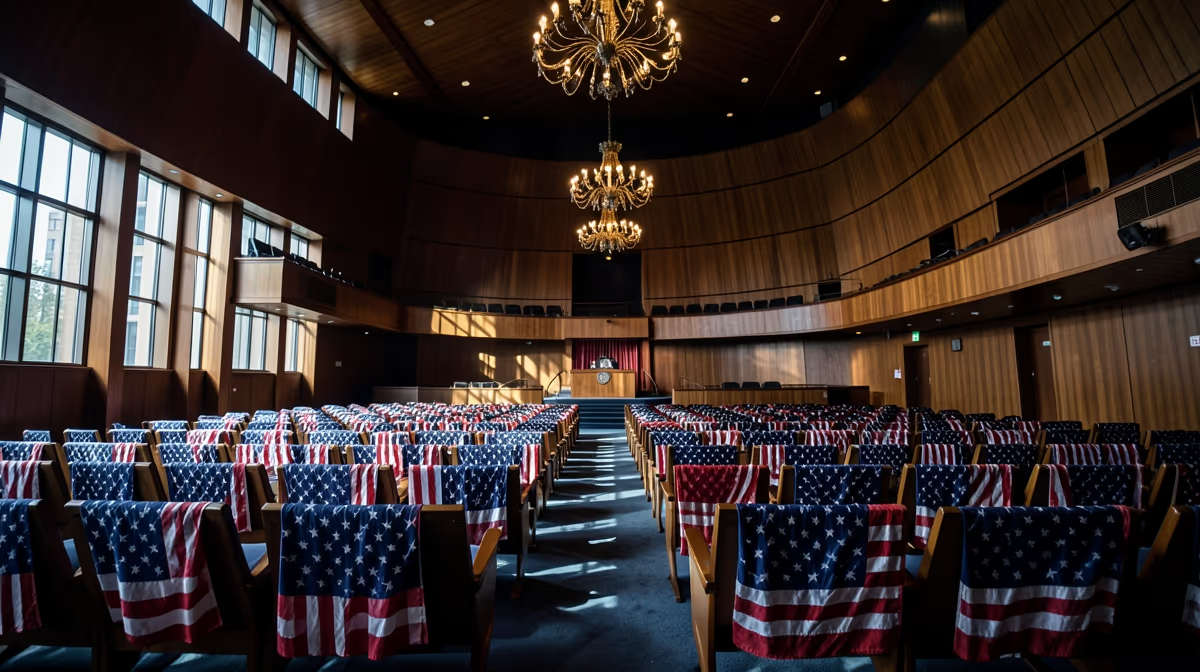
United States delegates staged a dramatic walkout of a United Nations General Assembly session in New York on Tuesday, exiting the hall in protest during a controversial speech condemning American foreign policy. The decision by the u.s. walks out of un meeting has sent shockwaves through international diplomatic circles, marking a significant moment in global relations. This high-profile action exerts pressure on the organizing body and competing delegates, while highlighting deep ideological divisions between the U.S. and various other member states.
Chronology of the Walkout
The incident occurred mid-morning as representatives from several member states debated international security frameworks and global economic sanctions. According to eyewitness accounts and official UN transcripts, the U.S. delegation stood up en masse and left the chamber moments after the speaker began leveling direct accusations of sovereignty violations against Washington. The timeline leading up to this event followed a structured path of diplomatic friction. It began with the drafting of a contentious resolution by member states, followed by backchannel negotiations that failed to yield American compromise. The U.S. delegation subsequently issued a final warning on sovereignty grounds. Despite these objections, the plenary vote proceeded, leading directly to the U.S. representatives executing a symbolic walkout from the chamber and causing immediate diplomatic fallout and polarization among international blocs.
Official Responses and Verified Facts
U.S. State Department officials later defended the departure, characterizing the remarks as inflammatory, baseless, and a violation of the diplomatic decorum expected within international forums. A senior U.S. State Department official stated that the nation will not sit idly by and listen to fabricated grievances that distort its commitment to global peace and security. Verified facts confirm that the U.S. delegation walked out of a UN General Assembly session in New York on Tuesday, that the departure occurred while a representative was delivering a speech criticizing American foreign policy, and that State Department officials confirmed the walkout was a deliberate protest against inflammatory remarks ahead of upcoming UN high-level ministerial meetings.
Geopolitical and Strategic Analysis
The root cause of this diplomatic rupture stems from systemic frustration with multilateral institutions failing to align with domestic sovereignty imperatives, alongside an unwillingness to legitimize resolutions critical of longstanding strategic allies. From a political angle, the move reflects bipartisan domestic pressure to project strength and resist perceived international overreach, appealing to nationalist voter bases ahead of electoral cycles. Economically, the action involves calculated leverage over international funding mechanisms, where withholding diplomatic engagement serves as an implicit threat to disrupt multilateral budgetary allocations. Geopolitically, the event accelerates the fragmentation of the rules-based international order, creating diplomatic vacuums that rival powers can readily exploit. Furthermore, behind-the-scenes intelligence friction regarding draft resolutions could compromise classified security arrangements or expose covert operations to international oversight. Historically, this event parallels the 1971 UN General Assembly walkout following the expulsion of Taiwan, as well as historical U.S. withdrawals from UNESCO and the UN Human Rights Council over ideological and structural disputes.
Understanding the Diplomatic Mechanism
When a country walks out of the UN, it is a very visible and serious protest. It means the government strongly disagreed with the direction of the conversation or the proposed actions, choosing to physically leave the room rather than participate or listen to speeches they opposed. The U.S. delegation physically left the meeting room, triggered by strong disagreements over policy and debate topics. This rare diplomatic tactic is used to show extreme displeasure, and while other member nations reacted with a mix of criticism and support, the move highlights growing tensions in international diplomacy. The United Nations was created after World War II to bring countries together to talk through differences and prevent future wars. While walkouts and fiery speeches have occurred throughout its history as a form of protest, they always signal a deep breakdown in diplomatic relations.
Why This Matters for Global Governance
This event matters because the U.S. is one of the most powerful countries in the world and a founding member of the UN. When the U.S. refuses to engage in global talks, it can stall important international agreements, weaken the UN's ability to solve global problems, and signal that major powers are finding it harder to cooperate on shared challenges. Those affected include global leaders, international diplomats, citizens of member countries, and people relying on UN humanitarian and political initiatives. The walkout underscores mounting tensions between Western powers and a coalition of developing nations over geopolitical alignment and humanitarian aid distribution. Diplomatic analysts noted that while walkouts are not entirely unprecedented, the timing just weeks ahead of the annual high-level ministerial week signals a deepening rift that could complicate multilateral negotiations on pressing global crises, including climate change and regional conflicts.
Near-Term Outlook and Expert Projections
In the next 24 hours, observers can expect immediate diplomatic fallout, press briefings from U.S. State Department officials, and reactions from allied and adversary nations at the UN. Over the next 72 hours, emergency meetings may be convened by member states, accompanied by the drafting of resolutions addressing the walkout and intense media coverage analyzing the breakdown in multilateral negotiations. Expert prediction suggests the walkout signals a deepening rift within the UN system, likely leading to a temporary paralysis on contentious resolutions and a pivot toward minilateral alliances by the U.S. The best-case scenario involves behind-the-scenes backchannel diplomacy successfully defusing the core dispute, leading to a modified agenda and a U.S. return to negotiations without major structural damage to the body. Conversely, the worst-case scenario entails the walkout triggering a broader boycott of specific UN committees, accelerating a drift toward isolationism and severely weakening the UN's authority to resolve global crises.
Frequently Asked Questions
Why did the US walk out of the UN meeting?
The US typically walks out of UN meetings in protest of biased resolutions or speeches targeting specific allies, most notably Israel. These diplomatic walkouts serve as a strong signal of disapproval regarding the UN's agenda or rhetoric, highlighting deep ideological divisions between the US and various other member states.
Which US administration walked out of a UN conference?
Multiple US administrations, including those of George W. Bush, Barack Obama, and Donald Trump, have staged walkouts or boycotted specific UN events. These incidents usually occur during controversial addresses by foreign leaders or contentious votes on Middle Eastern policy, and both Democratic and Republican delegations have utilized this diplomatic tactic.
What happens when the US walks out of the UN General Assembly?
When the US delegation walks out of a UN General Assembly session, it creates immediate diplomatic tension and draws global media attention. While the meeting continues without them, the gesture visibly demonstrates America's refusal to legitimize certain debates or accusations, profoundly impacting the political weight of the proceeding.
Has the US ever permanently left the United Nations?
No, the United States has never permanently withdrawn from the United Nations. As one of the principal founders and a permanent member of the UN Security Council, the US remains a foundational pillar of the organization, utilizing temporary walkouts and funding freezes as leverage rather than full withdrawal.
How do other countries react when the US walks out of the UN?
Reactions to US walkouts vary widely depending on the geopolitical context of the specific meeting. Allies often understand or cautiously support the move, while adversaries frequently condemn it as an evasion of accountability or international cooperation.
What is the diplomatic purpose of a UN walkout?
A diplomatic walkout is a symbolic form of protest used to register profound disagreement without resorting to military or economic sanctions. It allows a nation to instantly register its dissent and signal to domestic and international audiences that a debate has crossed a red line.
Conclusion
The unexpected departure of United States delegates from the United Nations General Assembly session highlights ongoing fractures within international diplomacy. With confirmed actions involving the formal exit of the U.S. delegation in response to criticisms of American foreign policy, diplomatic observers continue to monitor the unfolding fallout and allied responses. Realistic next steps involve immediate State Department briefings, potential emergency meetings by member states, and the observation of how this event affects upcoming multilateral negotiations and high-level ministerial meetings.


