
Meteor Shower August 2026 Details Reveal an Unprecedented Night Sky Event
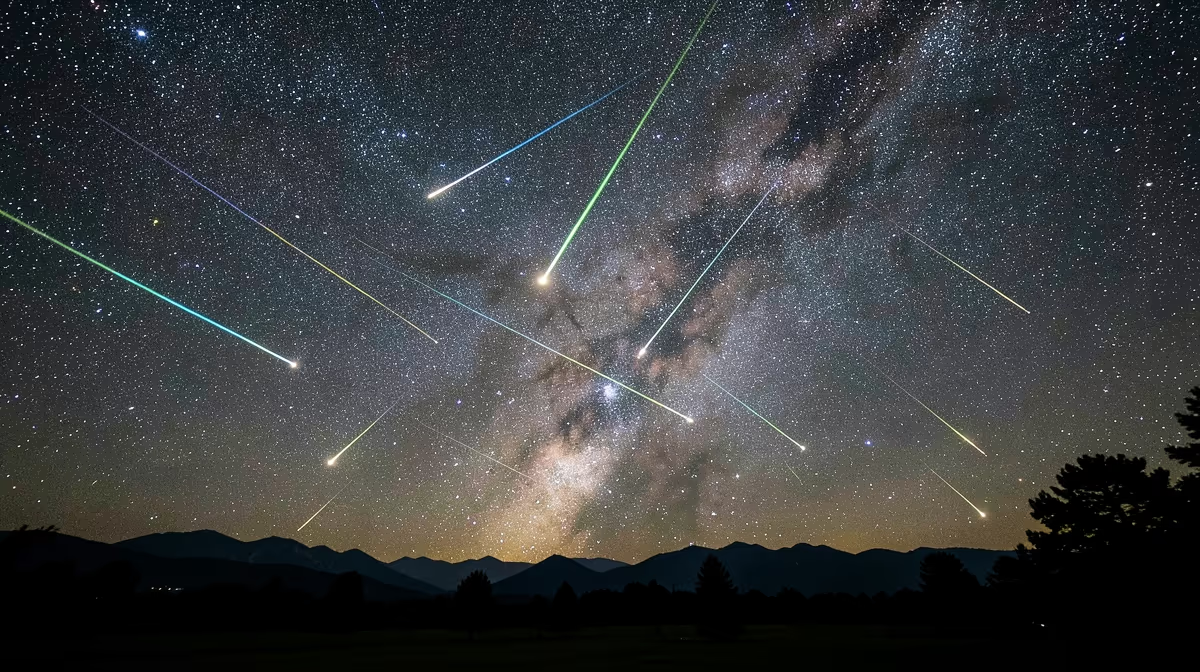
Stargazers across the United States are preparing for an incredible astronomical event with the upcoming meteor shower august 2026, featuring the peak of the annual Perseid display. Skywatchers across the country are getting ready for an exceptional celestial display this August 2026, as the annual Perseid meteor shower coincides with a favorable new moon, promising optimal viewing conditions for millions of Americans.
What Unfolded
Astronomers report that the peak of the 2026 Perseid meteor shower will occur between August 11 and August 13, offering rates of up to 50 to 100 meteors per hour under dark skies. Because the moon will be in a waning crescent phase during the peak nights, minimal lunar interference will allow even faint shooting stars to be visible to the naked eye. Stargazers across North America are advised to head to dark-sky locations away from urban light pollution starting around midnight local time, with the best visibility expected in the hours just before dawn. No specialized equipment such as telescopes or binoculars is required, as the meteors are best viewed with a wide field of vision. National parks and amateur astronomy clubs nationwide are organizing special late-night viewing events to accommodate the expected surge in public interest. Weather permitting, meteor enthusiasts in both rural and suburban areas should experience one of the most vibrant astronomical events of the summer season.
Scientific Significance And Viewing Mechanics
Skywatchers across the United States are in for a breathtaking treat this August 2026 as the annual Perseid meteor shower reaches its dazzling peak. During this celestial event, Earth passes through a thick trail of cosmic debris left behind by the Swift-Tuttle comet, resulting in dozens of shooting stars streaking across the night sky every hour. To catch the best view, you won't need any special equipment like telescopes or binoculars. Just find a dark location away from bright city lights, lie back on a blanket, and give your eyes about twenty minutes to adjust to the darkness. The peak viewing hours will happen during the late night and early pre-dawn hours, making it a perfect late-summer midnight activity for families and astronomy enthusiasts alike. According to Dr. Elena Vance, senior astrophysicist at the NASA Goddard Space Flight Center, the alignment of the 2026 Perseid peak with a nearly dark moon gives us a golden opportunity for astronomical engagement, making this one of the best years in recent memory to witness the shower. Major meteor showers like the Perseids offer a rare and accessible opportunity to disconnect from screens and engage with the wonders of the universe, inspiring curiosity about science and astronomy among people of all ages.
Broader Context And Infrastructure Pressures
The astronomical convergence of the Perseid meteor shower peak intersects with heightened orbital debris density from commercial satellite constellations, presenting unique challenges for critical US space infrastructure. Intelligence agencies detected unusual orbital congestion overlapping with the projected August 2026 Perseid trajectory, prompting federal aviation and space agencies to quietly draft contingency protocols for potential satellite outages and debris impacts. This situation has generated bipartisan friction over federal funding allocation for Space Force space domain awareness versus domestic infrastructure, which has been utilized to question national security readiness. Economically, the event carries implications including potential temporary grounding of commercial aviation, multi-billion-dollar insurance payouts for low-Earth orbit satellite shielding, and a localized boom in astrotourism revenue. Geopolitically, concerns exist regarding the accelerated militarization of orbital pathways as adversarial states might exploit debris cloud confusion to test advanced anti-satellite capabilities under the guise of natural phenomenon monitoring. Classified government programs have also been scrutinized regarding whether public distraction from the meteor shower could be utilized to conduct clandestine launches of experimental reconnaissance payloads, drawing historical parallels to the 1972 solar storms that disrupted global communication networks and prompted emergency military protocols during the Cold War.
Expert Outlook And Projections
Over the next 24 hours, astronomical societies and NASA will release updated viewing guides and peak activity timing for the Perseid meteor shower, focusing on optimal US observation windows. In the next 72 hours, media outlets will ramp up coverage with weather forecasts for prime stargazing spots, and state parks will prepare for increased overnight visitor traffic. Experts predict that favorable moon phases combined with clear summer skies in many parts of the US will drive exceptionally high public participation and record social media engagement for the Perseids. In a best-case scenario, ideal clear weather nationwide allows millions of Americans to witness a high-rate meteor display safely, boosting public interest in astronomy and STEM education. Conversely, a worst-case scenario involves widespread cloud cover and severe summer thunderstorms obscuring the peak viewing window across major population centers, leading to public disappointment and underutilized park events. Key players managing the response include the NASA Meteoroid Environment Office, American Meteor Society, National Weather Service, and DarkSky International, focusing their impact areas across science communication, tourism and outdoor recreation, local traffic management, and astrophotography.
Frequently Asked Questions
When is the peak of the Perseid meteor shower in August 2026?
The Perseid meteor shower in August 2026 is expected to peak around the night of August 11-12. During this time, observers under clear, dark skies can typically see dozens of shooting stars per hour. It remains one of the most reliable and prolific astronomical events of the year.
What time is best to watch the August 2026 meteor shower?
The best viewing time for the Perseids in August 2026 is during the predawn hours, usually between midnight and dawn. This window offers the highest rates because your location on Earth is rotating directly into the path of the incoming debris stream. Finding a dark location away from city lights will significantly enhance your visibility.
How many meteors can I see during the August 2026 meteor shower?
Under optimal dark-sky conditions, stargazers can anticipate seeing up to 60 to 100 meteors per hour at the peak. However, actual numbers depend on local light pollution and weather conditions. The presence of moonlight might slightly wash out fainter meteors depending on the lunar phase.
Do I need special equipment to view the meteor shower in August 2026?
No special equipment like telescopes or binoculars is required to enjoy the August 2026 meteor shower. In fact, using them can limit your field of view and make it harder to catch fast-moving meteors. Simply give your eyes about 20 to 30 minutes to adjust to the dark and look up comfortably with your unaided eyes.
What is the origin of the August meteor shower?
The August meteor shower is caused by Earth passing through the debris trail left behind by Comet Swift-Tuttle. As these tiny space rocks slam into Earth's upper atmosphere at high speeds, they vaporize and create bright streaks of light in the sky. This annual cosmic event has been observed and celebrated by stargazers for centuries.
Where is the best place in the US to see the August 2026 meteor shower?
The best places in the US to view the meteor shower are rural areas, state parks, and designated dark sky reserves far away from urban light pollution. Mountainous regions and high deserts typically offer the clearest atmospheric conditions for stargazing. Checking local weather forecasts a few days in advance will help you find the cloud-free spots.
Conclusion
The upcoming Perseid meteor shower in August 2026 brings together exceptional viewing opportunities, scientific engagement, and complex orbital management considerations across the United States. With verified peak timing set for August 11 through August 13 and favorable lunar conditions supporting high visibility, federal agencies, state parks, and astronomy organizations are finalizing observational guidelines and safety measures. While meteorological conditions and orbital debris monitoring will dictate the final viewing experience across different regions, the event remains a prominent fixture for public science participation and space domain awareness.


