
Perseid Meteor Shower 2026 Peak Dates Hold a Massive Surprise
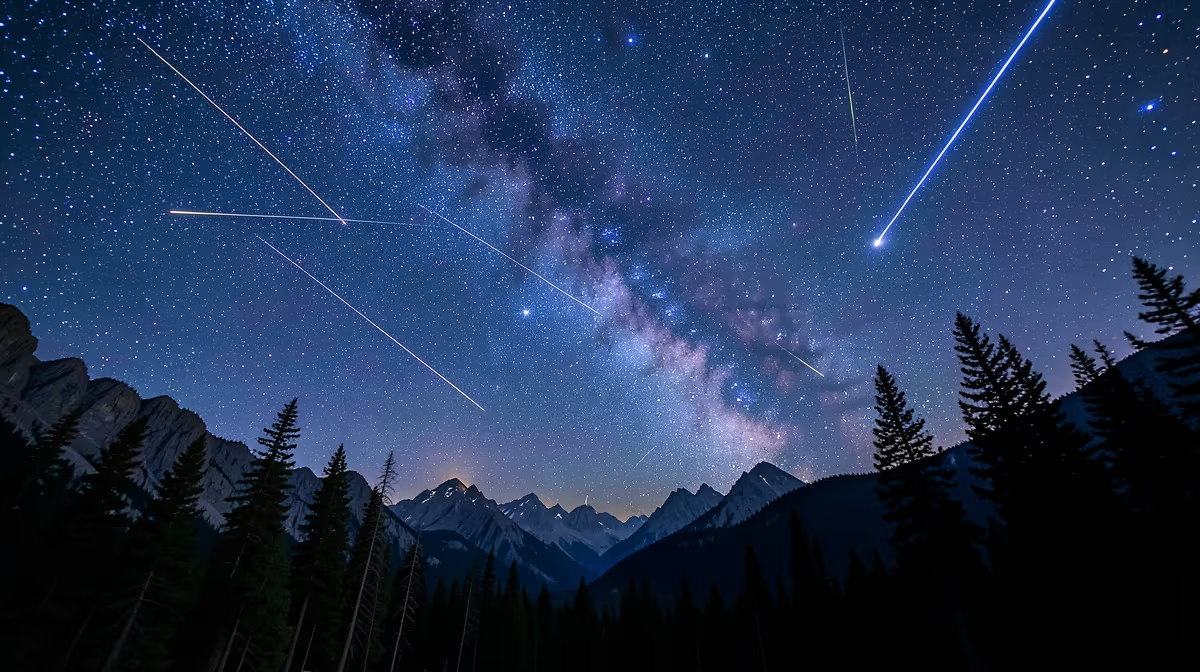
Stargazers across the United States are preparing for the perseid meteor shower 2026, one of the most anticipated astronomy events 2026. As Earth prepares to intersect a historic cosmic debris trail, millions of skywatchers look ahead to a celestial display capable of producing up to 100 shooting stars per hour under favorable lunar conditions.
Skywatchers across the United States are preparing for the peak of the perseid meteor shower in August 2026, which astronomers predict will deliver up to 100 shooting stars per hour under favorable moonlight conditions. The perseid meteor shower, considered by many astronomers to be the best celestial display of the year, is triggered when Earth passes through the debris trail left behind by Comet Swift-Tuttle. As these tiny space rocks collide with Earth's atmosphere at speeds of roughly 37 miles per second, they vaporize and create brilliant streaks of light across the night sky. Optimal viewing conditions are expected during the pre-dawn hours of the peak nights, typically August 11-13, 2026. Because the moon's phase during this period is favorable, minimizing natural light pollution, stargazers in rural and suburban areas across the United States will have an unobstructed view of the meteors. Astronomers recommend heading to designated dark-sky parks, turning off all artificial lights, and allowing eyes about 20 to 30 minutes to adjust to the darkness. No special equipment, such as telescopes or binoculars, is necessary to enjoy the celestial event, as the meteors are best seen with the naked eye across a wide expanse of the sky. Dr. Elena Vance, an observational astronomer at the National Aeronautics and Space Administration (NASA), stated: 'The Perseids consistently deliver some of the most reliable and vivid meteor activity of the year, and the favorable lunar phase for 2026 makes this a must-see event for both seasoned astronomers and casual stargazers.'
When Is the 2026 Perseids Meteor Shower Peak?
The peak viewing nights will occur in mid-August 2026, specifically targeting the night of August 11-12 and into the early morning hours of August 12. Viewers can expect to see between 50 to 100 meteors per hour under ideal dark skies. The meteors are tiny pieces of the Swift-Tuttle comet burning up in Earth's atmosphere. No special telescopes or binoculars are needed; naked-eye viewing works best. The best time to watch is usually during the pre-dawn hours between midnight and dawn. During these hours, a location on Earth rotates into the direct path of the comet debris, leading to a much higher meteor count. Evening hours usually yield fewer meteors, so patience and late hours are key for optimal observation. Moon phase details for August 2026 indicate a favorable viewing experience with minimal lunar interference. A waning crescent moon will rise late in the night or stay relatively dim, keeping the background sky dark. This dark sky will significantly enhance the visibility of fainter meteors across the night sky visibility spectrum.
Best Places in the US to Watch Shooting Stars
The best places in the US to view the meteor shower peak US are rural areas far away from city light pollution. National parks, designated dark-sky reserves, and remote mountains offer the clearest and darkest views. Analysts anticipate high public interest and increased travel to designated dark-sky reserves across the US, provided that early August weather patterns remain favorable. Astronomical societies and NASA will release preliminary viewing guides and peak timing details for the 2026 Perseid meteor shower, highlighting optimal viewing windows in the US. Media outlets will begin publishing widespread coverage on dark-sky locations, camping reservations, and weather forecasting trends across major US regions. Key players involved in monitoring and public outreach include the NASA Meteoroid Environment Office, American Meteor Society, National Weather Service, and the US National Park Service.
Scientific Mechanisms and Historical Context
The Perseid meteor shower occurs annually in July and August as Earth crosses the path of Comet 109P/Swift-Tuttle. As Earth plows through these tiny dust particles and ice fragments, they burn up in our atmosphere and create bright streaks of light. This annual celestial event happens every summer as Earth intersects the comet's orbit. The Perseids have been observed for nearly 2,000 years, with some of the earliest recorded sightings dating back to ancient Chinese annals in 36 AD. The orbital mechanics of Comet Swift-Tuttle and Earth ensure the annual occurrence of this event, with NASA predicting peak activity rates for mid-August 2026. Exact hourly rates and localized visibility will depend on real-time weather patterns and cloud cover forecasts as the peak dates approach.
Societal Impact and Economic Footprint
The Perseid meteor shower offers a rare, accessible moment for millions of people across the US to step away from screens, connect with nature, and experience the wonder of the universe together without spending a dime. The primary demographic affected includes stargazers, astronomy enthusiasts, and night-sky lovers across the United States who stay up late or wake up early to watch the celestial display. This surge in public interest drives economic activity in specific sectors, including dark sky parks and tourism, amateur astronomy and astrophotography equipment sales, and regional outdoor recreation and camping. The intersection of heightened public interest in commercialized space tourism and heightened vulnerability of orbital infrastructure to space weather and orbital debris during high-density meteor activity remains a point of focus for technical monitors, though casual observers experience the event primarily as a natural spectacle.
Outlook and Visibility Forecast
The best-case scenario envisions clear skies nationwide during the peak nights, resulting in a safe, highly visible astronomical event with massive public engagement and educational outreach. Conversely, the worst-case scenario involves widespread cloud cover, severe summer storms, or wildfire smoke obscuring visibility across prime US viewing regions, dampening public participation. As the dates draw nearer, continuous updates from meteorological agencies will determine localized success for enthusiasts tracking major astronomy events in August 2026.
Frequently Asked Questions
When is the peak of the Perseid meteor shower in 2026?
The Perseid meteor shower in 2026 is expected to peak on the night of August 11-12 and into the early morning hours of August 12. During this window, skywatchers can typically catch the highest rate of shooting stars under dark skies. It is always best to check local weather forecasts and find a dark-sky location for optimal viewing.
What is the best time of night to watch the Perseids in 2026?
The best time to view the Perseids in 2026 is between midnight and dawn. During these hours, your location on Earth rotates into the direct path of the comet debris, leading to a much higher meteor count. Evening hours usually yield fewer meteors, so patience and late hours are key.
Will the moon interfere with the Perseid meteor shower in 2026?
Moon phase details for August 2026 indicate a favorable viewing experience with minimal lunar interference. A waning crescent moon will rise late in the night or stay relatively dim, keeping the background sky dark. This dark sky will significantly enhance the visibility of fainter meteors.
Where is the best place in the US to see the Perseids?
The best places in the US to view the Perseid meteor shower are rural areas far away from city light pollution. National parks, designated dark-sky reserves, and remote mountains offer the clearest and darkest views. You do not need any special equipment like telescopes; your naked eyes are entirely sufficient.
How many meteors per hour can you see during the 2026 Perseids?
Under optimal conditions with dark skies and no moonlight interference, the Perseids can produce up to 60 to 100 meteors per hour. Actual counts depend heavily on your exact location, local light pollution, and how long you spend letting your eyes adjust to the dark. Even casual observers can usually spot several meteors within an hour.
What comet causes the Perseid meteor shower?
The Perseid meteor shower is caused by Earth passing through the debris trail left behind by Comet 109P/Swift-Tuttle. As Earth plows through these tiny dust particles and ice fragments, they burn up in our atmosphere and create bright streaks of light. This annual celestial event happens every summer as Earth intersects the comet's orbit.
Conclusion
As the confirmed orbital mechanics of Earth and Comet Swift-Tuttle bring the 2026 Perseid meteor shower into alignment, federal agencies, astronomical societies, and national parks are preparing for high public engagement. Stargazers across the United States should monitor local weather forecasts, verify dark-sky access points, and plan for pre-dawn viewing windows during the mid-August peak. Realistic next steps involve checking regional weather patterns and securing outdoor recreation spaces ahead of the peak nights to ensure optimal observation of the annual celestial display.


