
Strait of Hormuz Transit Fees Spark Major Global Shipping Alarm
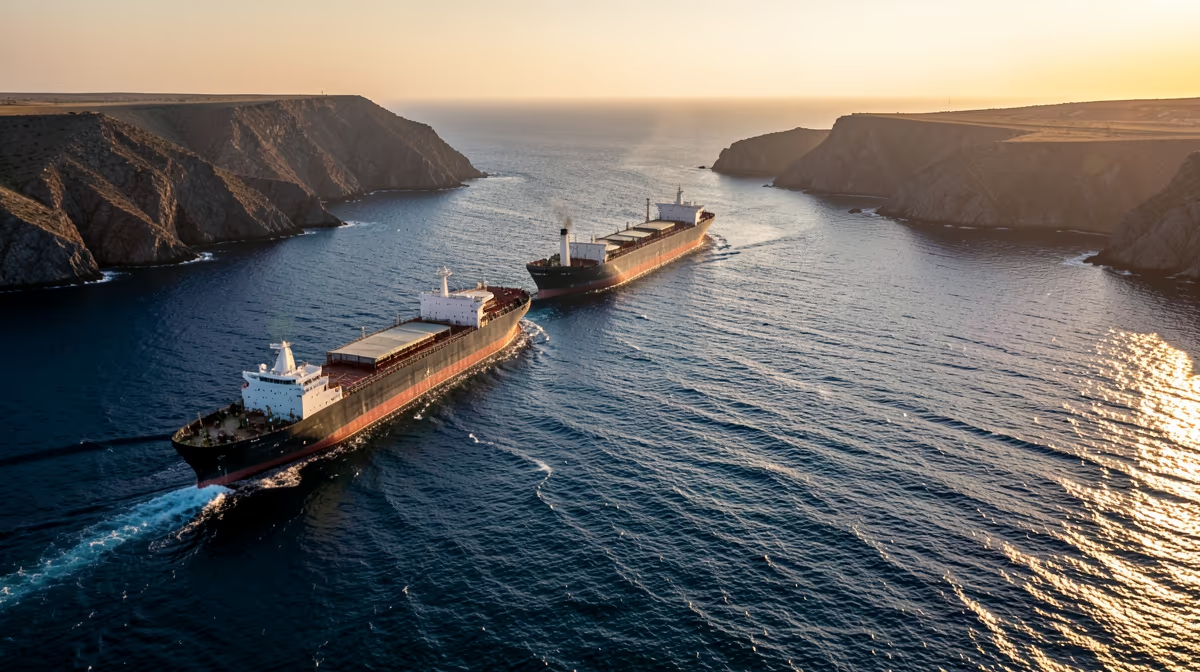
International shipping associations and maritime insurers have expressed profound alarm following reports that regional authorities are considering the implementation of transit fees for commercial vessels navigating the Strait of Hormuz, a critical global oil chokepoint. As global markets react to proposed strait of hormuz transit fees, energy analysts are closely monitoring shifting oil shipping routes and potential disruptions. Imagine the Strait of Hormuz as a narrow ocean hallway that connects the Persian Gulf to the open sea. It is one of the most important waterways in the world because a huge portion of the planet's oil travels through it on massive ships every single day. Recently, there has been talk and rising tension about countries wanting to charge transit fees or tolls for ships just to drive through this narrow passage. While paying a toll is normal on a highway, doing it here is a very big deal. Governments and shipping companies are arguing over who actually has the right to control and tax this water. If fees are forced on these ships, it adds a new layer of cost and political danger to moving oil and goods from the Middle East to the rest of the world.
Why Hormuz Strait Tolls Are Reshaping Global Trade
The Strait of Hormuz, situated between Oman and Iran, handles roughly a fifth of the world's petroleum consumption, making it one of the most strategically vital waterways on the planet. Any unilateral imposition of tolls or fees by littoral states could severely disrupt global energy markets, inflate shipping insurance premiums, and provoke geopolitical tensions involving major energy-importing nations. Maritime legal experts have immediately questioned the legality of such fees under the United Nations Convention on the Law of the Sea, which guarantees the right of transit passage through international straits used for international navigation. Commercial operators fear that introducing financial levies would set a dangerous precedent for other strategic waterways, potentially driving up consumer prices for fuel and manufactured goods worldwide. Major economies dependent on Middle Eastern crude are currently holding emergency consultations through diplomatic channels to monitor the situation closely. Meanwhile, naval coalitions operating in the region have increased patrols to ensure the continuous, unimpeded flow of commercial maritime traffic through the vital corridor.
The Numbers Behind The Story
The logistical realities of the region underline why these discussions generate immediate anxiety across international commerce. The Strait of Hormuz connects the Persian Gulf with the Gulf of Oman and the Arabian Sea, serving as the primary export vein for OPEC crude export lanes and maritime chokepoints economy. A significant portion of the world's liquefied natural gas and petroleum passes through the strait daily. Shipping companies and insurers have registered formal concerns over potential cost increases. While no official toll collection system currently exists, the underlying risk premium functions as an unofficial financial barrier. Insurers classify the region as a high-risk area, requiring vessels to pay steep Additional War Risk Premiums. These costs can add hundreds of thousands of dollars to a single voyage, impacting global supply chains before any formal fee is even enacted.
Economic And Strategic Realities
When it costs more to move oil through the Strait of Hormuz, those extra expenses do not just hurt shipping companies—they trickle down to everyday people. Higher shipping costs instantly translate into more expensive gasoline at the pump, which then makes manufacturing, grocery prices, and general travel more costly for everyone around the globe. Global consumers, international shipping companies, oil-importing nations, and Middle Eastern economies all bear the weight of these financial pressures. The root cause of these tensions stems from Iran's strategic leverage over vital chokepoints and the search for alternative revenue streams amidst severe international sanctions and economic isolation. Tehran is asserting regional dominance and testing the resolve of Western and Gulf Arab alliances by manipulating maritime commerce. This mirrors historical parallels such as Egypt's nationalization of the Suez Canal in 1956, which challenged colonial maritime hegemony and triggered a major geopolitical crisis over transit rights. The current precarious status quo creates a risk equivalent to an unofficial tax on global oil flows, backed by a timeline stretching from the 1982 formulation of UNCLOS to increasing asymmetric naval skirmishes and tanker seizures by Iran in the Persian Gulf.
Expert Outlook And Immediate Scenarios
Shipping companies and regional authorities are expected to issue statements condemning potential transit fee proposals while monitoring tanker movements over the next twenty-four hours. Within seventy-two hours, diplomatic channels are projected to activate to de-escalate tensions as insurance premiums for vessels traversing the strait begin to tick upward. Key players involved include Iran, OPEC+, Major Global Shipping Lines, and the US Fifth Fleet, all interacting across impact areas that encompass global energy markets, middle east geopolitics, maritime insurance, and international trade supply chains. Expert prediction suggests that while unilateral toll proposals generate significant rhetoric and market jitters, actual implementation is unlikely due to the high risk of military escalation and severe economic blowback for regional exporters. In a best case scenario, the fee proposal is quietly shelved following back-channel negotiations, resulting in stabilized oil futures and uninterrupted maritime traffic. Conversely, the worst case scenario warns that enforcement of unauthorized fees could lead to the detainment of commercial tankers, triggering a military standoff and a severe shock to global energy supplies.
Frequently Asked Questions
Do ships have to pay a transit fee to pass through the Strait of Hormuz?
No, commercial vessels do not pay a specific toll or transit fee to pass through the Strait of Hormuz. Under the United Nations Convention on the Law of the Sea, the strait is classified as an international strait used for international navigation, granting ships the right of transit passage. However, vessel operators must still cover standard international maritime costs such as insurance, fuel, and security details.
Are there any taxes or tolls levied by countries bordering the Strait of Hormuz?
Bordering nations like Oman and Iran cannot legally levy tolls on foreign commercial ships transiting the strait under international law. While Iran has occasionally threatened to close the waterway or levy fees during geopolitical tensions, these actions violate international maritime conventions. Consequently, no official toll collection system currently exists for vessels using this vital shipping lane.
Why are insurance costs so high for transiting the Strait of Hormuz?
While there are no official transit fees, shipping companies face exorbitant insurance premiums when navigating the strait due to geopolitical risks. Insurers classify the region as a high-risk area, requiring vessels to pay steep Additional War Risk Premiums. These costs can add hundreds of thousands of dollars to a single voyage, functioning as an unofficial financial barrier.
Who controls the shipping lanes in the Strait of Hormuz?
The shipping lanes in the Strait of Hormuz are divided into inbound and outbound traffic separation schemes managed cooperatively by Oman and Iran. Despite this territorial overlap, the waters are governed by international transit passage rights rather than national sovereignty. Navigational safety is largely overseen by international naval coalitions and local maritime authorities to ensure smooth global trade.
Does Iran charge ships for passing through its territorial waters in the strait?
Iran has occasionally claimed the right to board and inspect vessels or demand fees within its territorial waters, but these demands are widely contested globally. Most international shipping utilizes the traffic separation scheme located within Omani territorial waters or the central international corridor to avoid disputes. Legally, innocent passage must be allowed without financial extortion under international law.
How do geopolitical tensions affect the cost of shipping through the Strait of Hormuz?
Escalated military tensions in the Middle East directly impact the operational costs of moving oil and goods through the strait. Higher security risks lead to skyrocketing war risk insurance rates, increased fuel consumption from rerouting or speeding, and potential charter rate surges. Therefore, while no direct transit tax exists, political instability makes passage through the strait increasingly expensive.
Conclusion
International maritime stakeholders continue to monitor discussions regarding potential transit fees in the Strait of Hormuz, balancing legal protections under international law against ongoing regional security risks. While official diplomatic channels engage to prevent escalation, shipping operators and insurers maintain heightened vigilance over war risk premiums and traffic separation schemes. Future developments will depend on adherence to established international navigation conventions and the containment of geopolitical friction within the vital petroleum corridor.


