
Strait of Hormuz Transit Fees Spark Major Global Energy Concerns
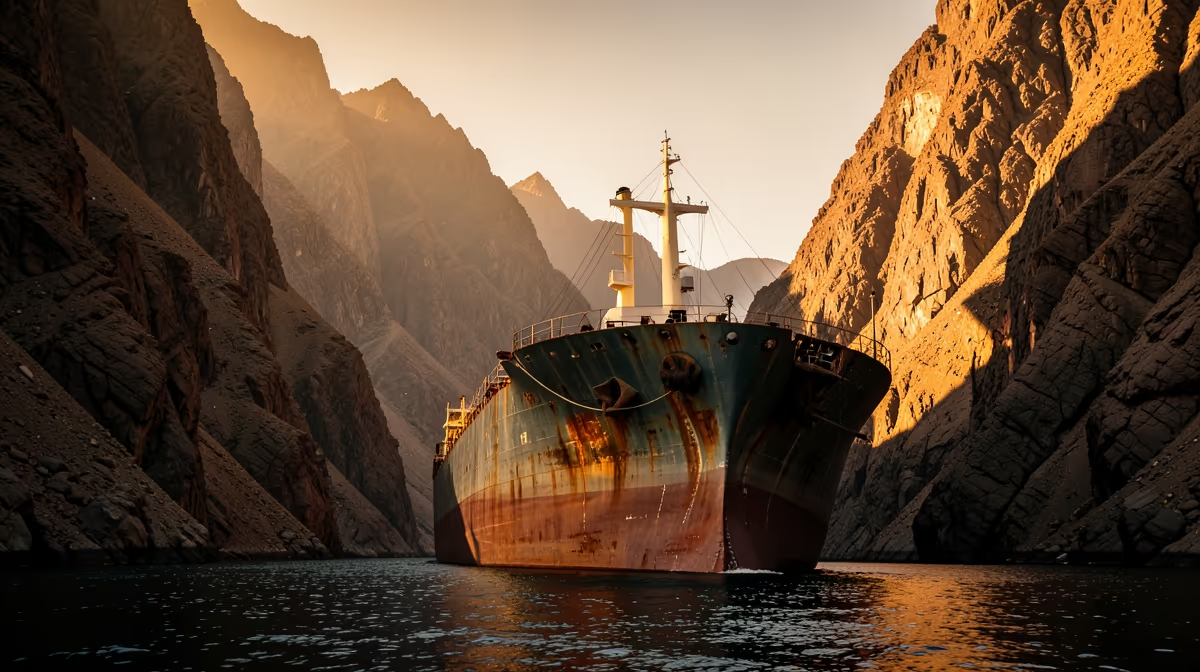
International shipping associations and maritime insurers have expressed profound alarm following reports that rising concerns over strait of hormuz transit fees have alarmed energy analysts worldwide as vessel costs surge. This narrow ocean bottleneck remains critical for moving the world's oil, and discussions regarding potential tolls or transit fees for ships passing through this crucial waterway have introduced a brand-new and controversial concept to global marine routes.
The Mechanics of Maritime Trade and Policy
Approximately 20 percent of the world's petroleum passes through the Strait of Hormuz daily, connecting the Persian Gulf with the Gulf of Oman and the Arabian Sea. International maritime law guarantees transit passage through straits used for international navigation. However, global shipping associations have formally requested clarification from regional governments regarding reported toll discussions.
Discussions regarding potential transit fees have been reported, prompting widespread concern and diplomatic outreach from international maritime organizations and major importing nations. The formal stance of littoral states, potential legal challenges at the International Maritime Organization, and the immediate reaction of crude oil futures markets represent developing variables as details emerge.
The controversial proposal has sparked intense diplomatic maneuvering and raised concerns over potential violations of international maritime law, specifically the United Nations Convention on the Law of the Sea, which guarantees the right of transit passage through international straits used for international navigation. Industry analysts warn that any unilateral imposition of tolls or fees could severely disrupt global supply chains, drive up marine insurance premiums, and immediately inflate crude oil prices across international markets.
Economic Consequences and Global Fallout
Major shipping conglomerates and flag states have begun reviewing contingency routes and security protocols in anticipation of escalating tensions in the Persian Gulf region. The economic fallout would disproportionately impact Asian economies that rely heavily on Middle Eastern crude and liquefied natural gas imports, prompting urgent consultations among energy ministries in Tokyo, Seoul, and New Delhi.
Naval forces operating in the region, including the United States Fifth Fleet and allied coalition partners, have increased patrols to ensure the continued freedom of navigation and to deter any actions that could impede commercial traffic through the narrow waterway. Maritime security experts note that even the prospect of financial levies creates an atmosphere of uncertainty that destabilizes global energy markets.
If transit fees are implemented here, the extra cost will likely be passed down to consumers. Since a huge portion of the world's petroleum flows through this area, higher shipping costs could translate directly into more expensive gasoline at the pump and rising prices for everyday goods globally. Global consumers, international shipping companies, oil-importing nations, and countries bordering the waterway face direct exposure to these shifts.
Historically, major international straits are governed by international laws ensuring free and open transit for commercial and military vessels, making the idea of charging tolls a major shift from decades of established global maritime practice.
Geopolitical Pressures and Market Reactions
Escalating fiscal pressures on littoral states and the weaponization of maritime chokepoints amid declining long-term fossil fuel demand projections form the root cause of these developments. Oman and Iran are asserting sovereign control and testing international maritime law to extract financial concessions and diplomatic leverage from Western and Asian powers.
Imposition of direct transit tolls would artificially inflate global energy prices, driving up shipping insurance premiums and squeezing profit margins for crude exporters and importers alike. This dynamic challenges the foundational principle of freedom of navigation under UNCLOS, potentially sparking naval escalations and militarized escort missions by energy-importing superpowers.
Quiet shifts toward bilateral insurance underwriting and alternative overland pipelines are designed to completely bypass maritime choke points, reducing vulnerability to localized coercion. This environment parallels Egypt's nationalization of the Suez Canal in 1956 and the ensuing geopolitical crisis over transit control and revenue generation.
Timeline indicators trace this trajectory from UNCLOS ratification establishing the framework for transit passage, to rising regional tensions leading to increased gray-zone maritime harassment, followed by littoral states formally tabling sovereign transit fee proposals, and finally global energy markets beginning to price in perpetual chokepoint risk premiums.
Expert Perspectives and Future Outlook
Shipping companies and regional authorities issue statements condemning potential toll proposals, while oil markets begin to price in minor risk premiums within the first 24 hours. Within 72 hours, diplomatic channels are activated with warnings from major energy importers against any disruptions to freedom of navigation in the Strait of Hormuz. Key players across these developments include Iran, OPEC+, Global Shipping Associations, and the United States, impacting energy markets, global maritime trade, and Middle East geopolitics.
While unilateral transit fee proposals generate significant geopolitical posturing and market anxiety, actual implementation remains legally and militarily constrained, likely resulting in intensified naval patrols rather than formal toll collection. Best-case projections involve tensions de-escalating through international diplomacy, reaffirming the principle of unhindered transit under international maritime law with no fees implemented. Conversely, worst-case scenarios involve escalation leading to targeted seizures or harassment of commercial vessels, causing a spike in crude oil prices and severe disruptions to global supply chains.
According to a senior maritime trade official who spoke on the condition of anonymity, any attempt to monetize or restrict transit through the Strait of Hormuz violates established international norms and threatens the fragile recovery of global commerce. Meanwhile, a spokesperson for the International Chamber of Shipping stated that organizations are monitoring the situation closely and urging all regional actors to uphold the fundamental principle of unhindered passage for commercial vessels.
Frequently Asked Questions
Do ships have to pay transit fees to pass through the Strait of Hormuz?
No, commercial vessels do not pay direct transit fees to pass through the Strait of Hormuz. Under the United Nations Convention on the Law of the Sea, the strait is classified as an international strait used for international navigation, granting ships the right of transit passage. However, vessel operators must still bear standard operational costs such as insurance surcharges and regional security fees.
Are there high insurance costs for transiting the Strait of Hormuz?
Yes, ships navigating the Strait of Hormuz often face significantly higher insurance premiums due to geopolitical tensions in the region. Marine underwriters frequently classify these waters as high-risk areas, leading to expensive Additional War Risk Premiums for vessel owners and cargo. These indirect costs function similarly to a steep transit fee for companies moving oil and goods through the waterway.
Who controls the waters of the Strait of Hormuz?
The waters of the Strait of Hormuz are shared between Oman and Iran, with the inbound and outbound shipping lanes passing through Omani territorial waters. Despite this geographic division, international law dictates that neither nation can legally block the strait or charge tolls for innocent or transit passage. Navigational rights are protected globally to ensure the continuous flow of international trade and energy supplies.
Can Iran legally close the Strait of Hormuz or levy tolls?
Iran cannot legally close the strait or charge tolls to international shipping under international maritime law. While Iranian forces regularly patrol the area and have previously threatened disruptions during political standoffs, such actions violate international treaties governing transit passage. Any attempt to levy fees or block the channel would provoke severe global economic consequences and international intervention.
How do geopolitical tensions affect Strait of Hormuz shipping expenses?
Geopolitical friction in the Middle East directly drives up the financial burden of shipping through the Strait of Hormuz. When conflicts escalate, maritime insurance rates soar and security escorts may be required, artificially inflating the cost of transport. These spiked expenses are ultimately passed down to consumers in the form of higher global oil and commodity prices.
Is the Strait of Hormuz considered an international waterway?
Yes, the Strait of Hormuz is internationally recognized as a vital maritime chokepoint and transit corridor. It connects the Persian Gulf with the Gulf of Oman and the Arabian Sea, serving as the primary route for a massive percentage of the world's liquefied natural gas and petroleum. Its legal status as an international strait ensures that commercial vessels from all nations retain the right to navigate it freely without paying tolls.
Conclusion
International maritime organizations, shipping associations, and major importing nations continue to monitor discussions surrounding potential transit fees in the Strait of Hormuz. While legal frameworks under UNCLOS protect freedom of navigation and prohibit unilateral tolls, rising regional tensions and insurance costs underscore ongoing risks to global energy corridors. Realistic next steps involve continued diplomatic engagement, increased naval patrols by allied forces, and close observation of policy developments by energy market investors and macroeconomic strategists.


