
Bihar Flood Situation Escalates Rapidly as Major Rivers Cross Marks
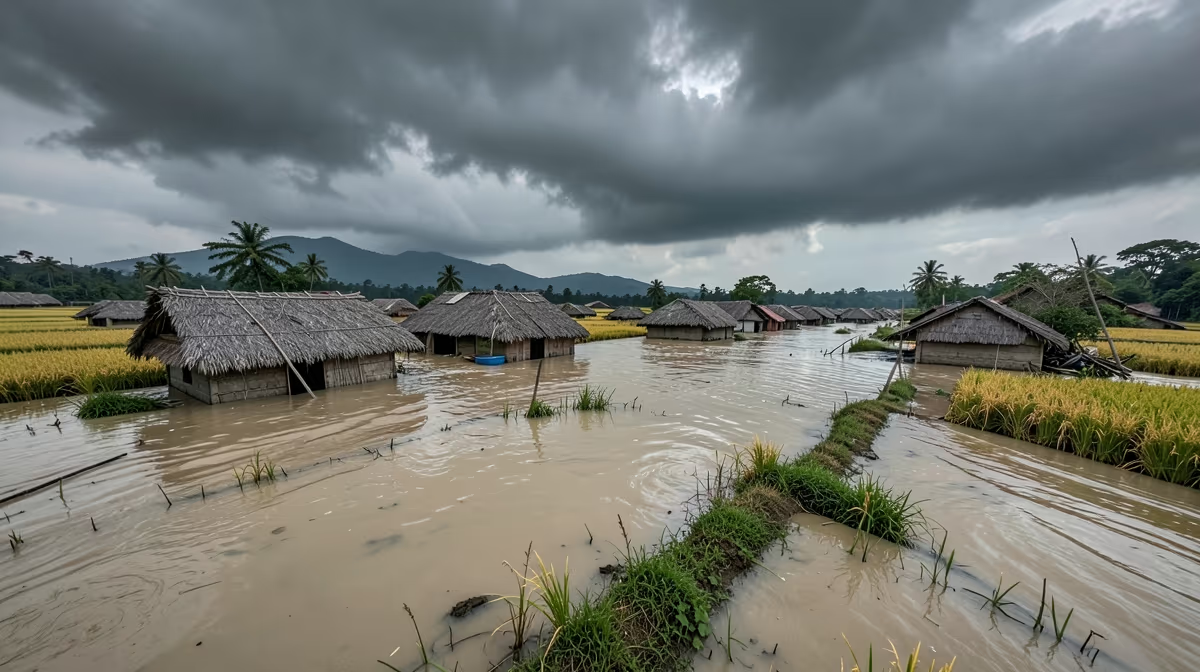
The Bihar flood situation 2026 has escalated rapidly as major rivers continue to flow above the danger mark, causing widespread concern across multiple districts. With continuous rising waters pushing prominent water bodies past their safety thresholds, local populations and regional administrations face an escalating monsoon crisis and structural flood threats across Bihar's river basins.
Rising Water Levels of Ganga and Kosi
The flood situation in Bihar has taken a severe turn as continuous rising waters pushed major rivers, including the Ganga, past their danger marks. Several districts across the state are now dealing with flooded lands, prompting urgent alerts and heightened monitoring from local authorities. At least eight rivers in the state are currently flowing above their danger marks, putting multiple districts on high alert. The Ganga and other key water bodies are overflowing, leading to several areas becoming inundated. Authorities have issued flood threats and heightened alerts across up to thirteen districts in the state, while local administrations and disaster response teams closely monitor the rising water levels.
Government Response and Disaster Management Measures
Regional authorities, district administration, and state disaster response teams remain heavily mobilized as the crisis unfolds. Authorities have placed multiple districts on high alert and are closely monitoring river water levels to respond swiftly to any emergencies. Disaster response frameworks remain on standby to assist populations in vulnerable zones.
- Continuous monitoring of river water levels across vulnerable basins.
- Deployment of state disaster response teams to high-risk zones.
- Issuing high alerts across up to thirteen districts facing severe flood threats.
The flood situation remains grim in Bihar as major rivers in spate continue to threaten local communities and low-lying regions.
The flood situation in Bihar has worsened significantly as at least eight rivers crossed danger marks, triggering high alerts and intensive monitoring across multiple districts.
Root Causes and Environmental Context
Heavy monsoon rainfall coupled with high water discharge from upstream barrages are causing major rivers like the Ganga to breach danger marks across multiple districts. Bihar is one of India's most flood-prone states, largely due to its unique topography and the numerous rivers flowing down from the Himalayas through the region. During the monsoon season, heavy rainfall frequently causes these rivers to swell and breach their embankments, leading to recurring annual inundations. Transboundary water management issues involving upstream flows highlight the complexities of regional hydro-diplomacy between neighboring countries and Indian basin states.
Economic and Socio-Political Implications
State and local authorities face intense scrutiny over disaster management preparedness, embankment maintenance, and timely relief distribution ahead of administrative evaluations. The unfolding crisis brings significant socioeconomic disruptions.
- Disruption of agricultural supply chains and destruction of standing crops in rural Bihar.
- Infrastructural damage leading to localized inflation and rising fiscal burdens for relief packages.
- Long-term displacement and silent migration from chronically flood-prone northern districts accelerating structural shifts in urban informal labor markets.
Outlook and Future Projections
Authorities are likely to maintain high alert across multiple districts as major rivers, including the Ganga, continue to flow above the danger mark, inundating several low-lying areas. The flood threat may persist or expand in vulnerable districts if water levels fail to recede, prompting ongoing rescue, relief operations, and continuous monitoring of river embankments. Analysts would likely expect heightened emergency preparedness and increased deployment of relief resources in districts threatened by rising river levels. In the best case, rainfall ceases upstream, allowing major rivers to recede below the danger mark quickly and preventing widespread structural damage or displacement. In the worst case, continued heavy inflows cause further breaches in embankments, worsening inundation across multiple districts and severely disrupting local infrastructure and daily life.
Frequently Asked Questions
What is the current flood situation in Bihar?
The flood situation in Bihar has worsened significantly as major rivers, including the Ganga, continue to rise and cross the danger mark. Several areas across the state have been inundated, leading to growing concerns among residents and local authorities.
How many districts in Bihar are currently facing a flood threat?
Multiple districts across Bihar are experiencing severe flood threats or remain on high alert. Reports indicate that at least five to thirteen districts are affected as several rivers breach their danger levels.
Which rivers are crossing the danger mark in Bihar?
Several major rivers in the region, prominently led by the Ganga, have swollen past their danger marks. In total, approximately eight rivers are currently flowing above safe levels, exacerbating the flood-like conditions.
Why is the flood situation worsening so rapidly?
The rapid deterioration is driven by persistent high water levels in multiple river basins that are receiving heavy inflows. As these water bodies overflow their banks, low-lying regions quickly become submerged.
Who is most affected by the rising rivers in Bihar?
Communities residing in low-lying areas and near river embankments across the affected districts bear the brunt of the inundation. Daily life, local agriculture, and transportation in these zones face severe disruptions.
What measures are being taken as rivers continue to rise?
Authorities have placed multiple districts on high alert and are closely monitoring river water levels to respond swiftly to any emergencies. Disaster response frameworks remain on standby to assist populations in vulnerable zones.
Conclusion
The Bihar flood situation remains critical as eight major rivers continue to flow above danger marks across multiple districts. State disaster response teams, district administrations, and regional authorities remain on high alert, closely tracking water levels and managing emergency relief operations in inundated zones. Continuous monitoring of embankments and sustained deployment of resources will remain essential as vulnerable communities navigate the ongoing monsoon crisis.
Sources
- Flood situation remains grim in Bihar as major rivers in spate — News On AIR
- Bihar flood situation worsens as Ganga, other rivers rise; several areas inundated — The Shillong Times
- Flood threat looms in five districts in Bihar as rivers flow above danger mark — newindianexpress.com
- Flood-Like Situation In 5 Bihar Districts As Rivers Breach Danger Mark — deccanchronicle.com
- 13 Bihar districts on flood alert as 8 rivers cross danger mark — Deccan Herald
- Bihar flood situation worsens, eight rivers cross danger marks — Telangana Today


