
BrahMos Missile Order from Vietnam Signals a Major Indo-Pacific Shift
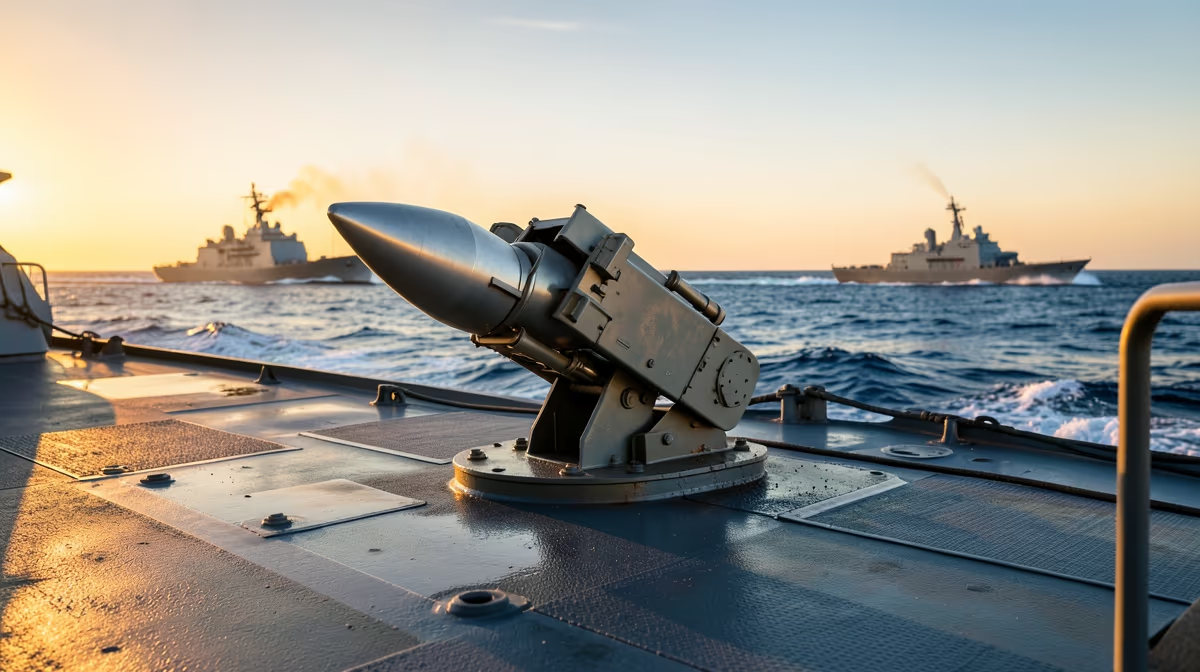
The balance of power in the Indo-Pacific is shifting quietly as advanced missile technology changes hands across the Indian Ocean. A prospective arms agreement currently moving through diplomatic channels is poised to redefine maritime security in contested waters. In a major diplomatic and defense development, Vietnam BrahMos and naval vessels order negotiations with New Delhi are reportedly nearing finalization, marking a significant milestone in bilateral ties. The potential agreement, which includes the acquisition of advanced BrahMos supersonic cruise missiles alongside specialized naval vessels, highlights the deepening strategic and defense cooperation between the two nations as they look to strengthen regional security ties. This proposed arrangement not only reflects the expanding defense manufacturing capabilities of India but also signals a growing demand for its homegrown technology on the international stage.
Vietnam is slated to order BrahMos missiles and specialized naval vessels from India, cementing a major geopolitical strategy and boosting India's domestic defense manufacturing under the 'Make in India' initiative.
Strategic Implications of the India-Vietnam Defense Deal
From a political perspective, this transaction showcases a deepening strategic alignment between India and Vietnam. Both nations are navigating complex security environments and must carefully manage their regional relationships. Rather than seeking formal military alliances, they are building a robust network of security partnerships. This pragmatic approach allows Vietnam to diversify its defense suppliers while enabling India to act as a security partner in the region. The India and Vietnam naval defense trade agreement serves as a tangible expression of this mutual trust, laying the groundwork for more comprehensive collaborative frameworks in the future.
Boosting Maritime Security in the Indo-Pacific Region
From a broader geopolitical strategy, this procurement enhances India's Indo-Pacific security architecture and maritime diplomacy. By supplying high-tech military hardware, India offers Southeast Asian nations a credible, non-coercive alternative for defense acquisitions. This approach strengthens regional maritime security without forcing partner nations to join rigid geopolitical blocs. The transfer of these assets reinforces the collective ability of littoral states to safeguard vital shipping lanes, contributing directly to the maintenance of international law and freedom of navigation.
Soaring Global Demand and Internal Restructuring at BrahMos Aerospace
A major boardroom shake-up has been proposed as demand soars, though a row regarding the CEO appointment continues to complicate internal governance. Analysts tracking the joint venture note that high-profile export agreements place immense pressure on internal boardroom and supply chain structures. To satisfy rising international orders while meeting the domestic requirements of India's armed forces, BrahMos Aerospace plans major structural changes. This scaling process is critical; without significant organizational adjustments, the joint venture risks delivery delays that could impact its reputation as a reliable international defense supplier.
The Economic and Manufacturing Angle of Joint Ventures
The defense relationship between Hanoi and New Delhi has progressed through a series of structured milestones, reflecting a cautious but steady escalation of bilateral trust:
| Phase | Strategic Action / Development |
|---|---|
| Phase 1 | Regional discussions and bilateral maritime security dialogues between New Delhi and Hanoi |
| Phase 2 | Reports of impending major defense orders including BrahMos systems and naval vessels |
| Phase 3 | Anticipated formal finalization of the naval and missile acquisition contracts |
This phased approach ensures that both nations can align their regulatory, logistical, and operational frameworks before finalizing high-value contracts. By standardizing these procedures, they establish a reliable blueprint for future transactions involving other advanced hardware platforms.
Regional Stability and the Broader South Asian Security Landscape
Consequently, neighbors in South Asia monitor India's expanding missile export profile with close attention. In response to these shifting regional dynamics, Pakistan has claimed to have procured new weapons to offset the perceived imbalance, adopting a defensive posture that some commentators have described as "Brahmos shy." This competitive procurement cycle underscores how defense developments in one sub-region are intricately linked to security calculations in another.
Furthermore, India's expanding defense exports mirror historical parallels from the Cold War and post-Cold War eras. Historically, India maintained cautious, non-aligned defense trade relations with Southeast Asian partners. Today, while the technological sophistication of the hardware has changed, the underlying diplomatic caution remains, as India seeks to support its partners' defense capacities without triggering direct regional conflict.
Future Projections and Potential Challenges
However, the path forward is not without potential hurdles. Experts point to distinct best-case and worst-case scenarios that could unfold as the agreement transitions from paper to implementation:
- Best-Case Scenario: A smooth finalization of the naval vessels and BrahMos missile orders that strengthens bilateral defense ties, validates India’s role as a primary regional defense supplier, and enhances Vietnam's defensive posture without administrative delay.
- Worst-Case Scenario: Unexpected logistical delays, procurement bottlenecks within the joint venture's supply chains, or rising regional tensions stemming from the physical deployment of highly advanced military hardware in disputed maritime zones.
Regardless of these challenges, the trajectory of the partnership indicates that diplomatic engagement between India and Southeast Asian nations will continue to intensify as defense export talks progress and global demand for advanced military hardware grows.
Frequently Asked Questions
What is Vietnam slated to order from India?
Reports indicate that Vietnam is slated to order BrahMos supersonic cruise missiles and naval vessels from India. This defense acquisition marks a significant step in bilateral military cooperation between the two nations.
Why does the potential BrahMos and naval vessel order matter?
This impending deal strengthens strategic defense ties between India and Vietnam amidst evolving regional dynamics. It also highlights India's growing status as a reliable exporter of advanced defense hardware.
Who is affected by Vietnam's defense procurement from India?
The defense agreement directly impacts the armed forces of both India and Vietnam, enhancing their naval and strike capabilities. Additionally, it draws attention from regional observers monitoring security and defense balances in South and Southeast Asia.
What happens next regarding the BrahMos and naval vessel agreement?
As demand for the BrahMos missile surges internationally, the joint venture behind the missile is seeing proposed boardroom and structural changes. Formalization and finalization of the procurement contracts are expected to follow as both governments advance their defense partnership.
What is the background of the BrahMos missile joint venture?
BrahMos Aerospace operates as a joint venture, and recent reports point to upcoming structural shake-ups and CEO appointment discussions due to soaring international demand. The missile system has a prominent history in defense discussions, having previously been involved in high-profile strategic deployments.
What specific defense items besides missiles are included in the Vietnam deal?
Alongside the well-known BrahMos supersonic cruise missiles, the slated order specifically includes naval vessels from India. This combination indicates a comprehensive enhancement of Vietnam's maritime defense and surface warfare capabilities.
Conclusion
The slated defense agreement between Vietnam and India marks a pivotal transition in the strategic partnerships of the Indo-Pacific. By securing both advanced BrahMos supersonic cruise missiles and specialized naval vessels, Vietnam significantly upgrades its maritime and coastal defense capabilities. This deal not only validates India's position as a capable exporter of advanced military technology but also underscores the necessity of restructuring defense joint ventures like BrahMos Aerospace to meet soaring global demand. Moving forward, the finalization of the procurement contracts and the resolution of internal corporate adjustments at BrahMos Aerospace will remain key areas to watch as both nations advance their shared security objectives.
Sources
- Brahmos shy, Pakistan claims to have procured new weapons — The Times of India
- BrahMos board shake-up proposed as demand soars, CEO appointment row continues — The New Indian Express
- Vietnam Slated to Order BrahMos and Naval Vessels from India — navalnews.com
- India’s BrahMos at Sea: Implications for South Asian Stability — thediplomat.com
- ‘Sir, you should now be satisfied’: When Pak DGMO sought ceasefire after BrahMos strikes in Operation... — Moneycontrol.com
- BrahMos missile JV to see boardroom changes soon? BrahMos Aerospace plans major structural changes, says report — theweek.in


