
Drought Environment Agency Declares Strict New Measures Across England
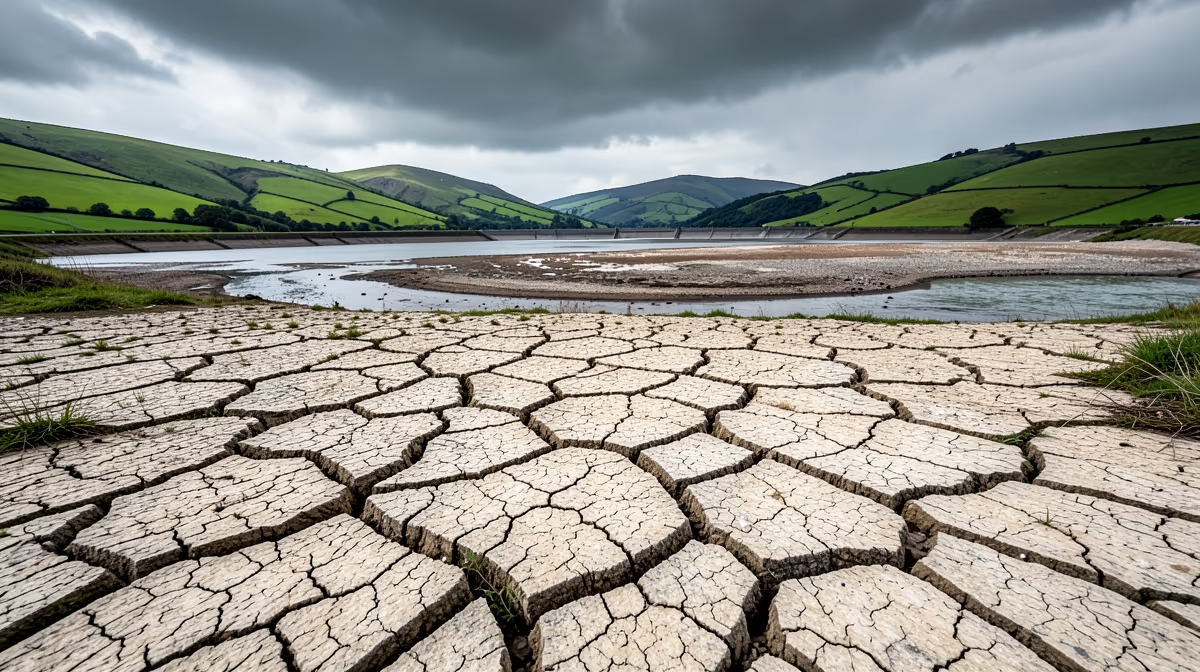
England faces an escalating risk of widespread drought conditions this summer following an exceptionally dry winter and spring, the Environment Agency warned on Tuesday, urging water companies and the public to immediately conserve supplies. The latest drought environment agency reports indicate a growing concern over water levels across England as prolonged dry spells continue to impact the region, forcing regulatory bodies and infrastructure planners to confront systemic vulnerabilities in the nation's water networks.
The Current Environmental Crisis
The Environment Agency reported that cumulative rainfall across large parts of southern and eastern England has fallen significantly below the long-term average over the past eight months. Groundwater levels and reservoir storages in key catchments are currently below normal for the time of year, prompting urgent concerns over agricultural irrigation, river ecosystems, and drinking water availability as temperatures rise. Parts of Great Britain have officially entered drought status following months of below-average rainfall, transforming what was once viewed as a reliable temperate water cycle into an increasingly fragile resource network.
Water companies have been instructed to activate their drought response plans ahead of schedule to mitigate potential shortages. Regulators are closely monitoring water abstraction licenses and have warned that restrictions on non-essential water use could be implemented if upcoming summer precipitation fails to replenish depleted water tables. The dry conditions also pose a severe threat to local wildlife and chalk streams, which are particularly sensitive to low flows. Environmental groups are calling for urgent infrastructure upgrades to reduce leakage rates and improve water network resilience as climate change increases the frequency of extreme weather events across Great Britain.
Systemic Pressures and Regulatory Challenges
Decades of underinvestment in resilient water infrastructure combined with systemic regulatory capture have left the UK natural water cycles vulnerable to accelerating climate change impacts. Privatized water utilities continue to extract massive shareholder dividends and executive bonuses while underfunding leakage reduction and reservoir construction, externalizing the cost of scarcity onto taxpayers, agriculture, and industry. The Environment Agency faces a difficult balancing act of being politically constrained by successive governments that prioritize short-term economic growth and agricultural appeasement over long-term ecological preservation, resulting in performative enforcement rather than structural intervention.
As water stress escalates in the British Isles, a region historically viewed as water-secure, it threatens domestic food security, drives up import dependency, and undermines the moral authority of the nation in international climate negotiations. Furthermore, the acute depletion of chalk streams, which are globally rare habitats predominantly found in southern England, is being accelerated by corporate data center cooling demands and massive housing expansion in already parched catchment areas. This mirrors historical parallels such as the 1976 UK Drought and subsequent Drought Act, which exposed the fragile nature of fragmented water management and catalyzed the eventual privatization of water authorities in 1989, a model now visibly failing under sustained climate stress.
Immediate Operational Outlook
Over the next 24 hours, the Environment Agency is expected to issue updated drought warnings and urge regional water companies to implement stricter voluntary conservation measures amid persistent low reservoir levels. Looking toward the next 72 hours, emerging discussions between government officials and water utilities regarding the potential escalation to mandatory hosepipe bans in the worst-affected regions of southern and eastern England are anticipated. Key players including the Environment Agency, the Department for Environment, Food and Rural Affairs, Water UK, and regional water companies remain on high alert as agricultural irrigation, public water supplies, and river ecosystems face mounting strain.
Expert predictions indicate that prolonged dry conditions will force regulatory bodies to mandate wider water restrictions earlier in the season than previously anticipated, increasing pressure on infrastructure upgrades. In a best-case scenario, unseasonal heavy rainfall arrives across the UK within the week, replenishing soil moisture and significantly boosting reservoir capacity before peak summer demand. Conversely, the worst-case scenario involves continued heatwaves coinciding with severe infrastructure leaks, leading to widespread emergency water rationing, significant agricultural losses, and severe ecological damage to chalk streams.
Frequently Asked Questions
What is the role of the Environment Agency during a drought?
The Environment Agency manages water resources, monitors rainfall levels, and coordinates with water companies to implement drought plans. They regulate water abstraction to protect local ecosystems and wildlife from the severe impacts of dry weather. Additionally, they provide regular updates and advice to the public on water conservation.
When does the Environment Agency declare a drought?
A drought is officially declared when prolonged dry weather leads to significantly depleted water resources, impacting rivers, groundwater, and reservoirs. The Environment Agency makes this assessment based on scientific data regarding rainfall, river flows, and soil moisture levels. They collaborate with the Met Office and government departments before confirming the status.
Can the Environment Agency ban hosepipes?
The Environment Agency does not directly issue hosepipe bans, as this power rests primarily with individual water companies. However, the Agency advises water companies on when these restrictions are necessary based on environmental stress and water availability. They work closely with suppliers to ensure regional consistency and ecological protection.
How does the Environment Agency measure drought severity?
The Agency uses several key indicators, including cumulative rainfall deficits, groundwater levels, reservoir storage capacities, and river flows. They compare current environmental data against historical averages to determine the severity of dry conditions. This continuous monitoring helps them anticipate shortages and trigger appropriate response stages.
What are the stages of drought managed by the Environment Agency?
The management stages typically progress from prolonged dry weather to official drought, severe drought, and finally recovery. Each stage activates specific mitigation measures, ranging from voluntary water-saving appeals to mandatory restrictions and environmental rescue operations. The Environment Agency oversees these transitions to safeguard public water supplies and habitats.
How can the public report environmental damage caused by drought?
The public can report environmental issues such as dry rivers, distressed fish, or illegal water abstraction to the Environment Agency's 24-hour incident hotline. Prompt reporting helps their teams investigate potential ecological damage and take enforcement action where necessary. Community vigilance plays a vital role in protecting vulnerable water environments during dry spells.
Conclusion
The unfolding water scarcity situation across England underscores the delicate balance between natural resource availability and human consumption under changing climatic conditions. With cumulative rainfall deficits impacting groundwater and reservoir storages, regulatory bodies and water utilities are actively deploying contingency plans to safeguard public supplies and local ecosystems. As the Environment Agency continues to monitor regional water tables and direct conservation efforts, the coming weeks will determine whether voluntary measures prove sufficient or if mandatory restrictions will become necessary across the most vulnerable catchments.


