
Donald Trump Iran War Rhetoric Sparks Fresh Global Energy Fears
New Delhi and global capitals are closely monitoring escalating rhetoric between US President Donald Trump and Iranian leadership, raising serious concerns over regional stability and energy security in West Asia. As global markets react to the shifting geopolitical landscape, developments surrounding the donald trump iran war continue to dominate international headlines in 2026. The tensions have intensified following a series of diplomatic standoffs and military posturing, prompting foreign policy analysts in India to evaluate the potential fallout on crude oil imports and the safety of the Indian diaspora residing in the Gulf region. India, maintaining a delicate diplomatic balance, has consistently advocated for restraint and dialogue to prevent any military conflict that could disrupt vital maritime trade routes.
Understanding Trump Iran Policy in 2026
The structural incompatibility between Donald Trump's Maximum Pressure doctrine, aimed at regime destabilization, and Iran's strategic reliance on asymmetric deterrence and regional proxy networks forms the root cause of these ongoing frictions. Donald Trump's policy toward Iran centered on a maximum pressure campaign after he withdrew the United States from the 2015 Iran nuclear deal, formally known as the JCPOA. The strategy aimed to cripple Iran's economy through heavy sanctions and force Tehran to renegotiate a more restrictive deal regarding its nuclear and regional ambitions. This approach successfully isolated Iran economically but also led to heightened military friction in the Persian Gulf. In his recent political campaigns, Donald Trump continues to criticize the current administration's handling of Iran, claiming that his strict sanctions had Tehran financially constrained and unable to fund proxy groups like Hamas and Hezbollah. He asserts that his strong deterrence kept global adversaries in check and prevented major conflicts during his term, maintaining that a return to his maximum pressure strategy is necessary to restore stability in the Middle East.
Global Reactions to Middle East Tensions
The geopolitical fallout extends far beyond Washington and Tehran, creating a high-stakes chess match accelerating the fragmentation of the US-led unipolar order. This dynamic pushes Tehran deeper into a Sino-Russian axis and forces regional middle powers like Saudi Arabia and the UAE to hedge their security dependencies. International organizations and allied nations have urged both Washington and Tehran to de-escalate tensions and return to diplomatic negotiations. Meanwhile, intelligence agencies continue to monitor regional movements for any signs of direct military engagement. The domestic American political landscape also plays a role, weaponizing foreign policy where a conflict with Iran serves as a mechanism to consolidate evangelical and hawkish donor bases while galvanizing Iranian hardliners against reformists. Parallel to kinetic deterrence, covert cyber and intelligence warfare targets critical infrastructure, maritime trade, and financial conduits through decentralized cryptocurrency networks. Historically, this mirrors past conflicts such as the 2003 US invasion of Iraq combined with the 1953 Anglo-American backed coup in Iran, representing a recurring cycle of Western overestimation of regime vulnerability and underestimation of nationalist resilience. Timeline milestones include the 2018 US unilateral withdrawal from the JCPOA, the 2020 assassination of General Qasem Soleimani, and the ongoing expanded shadow war involving regional militias, cyber attacks, and heightened risk of miscalculation drawing in external global powers.
What a Potential Conflict Means for India and Global Energy
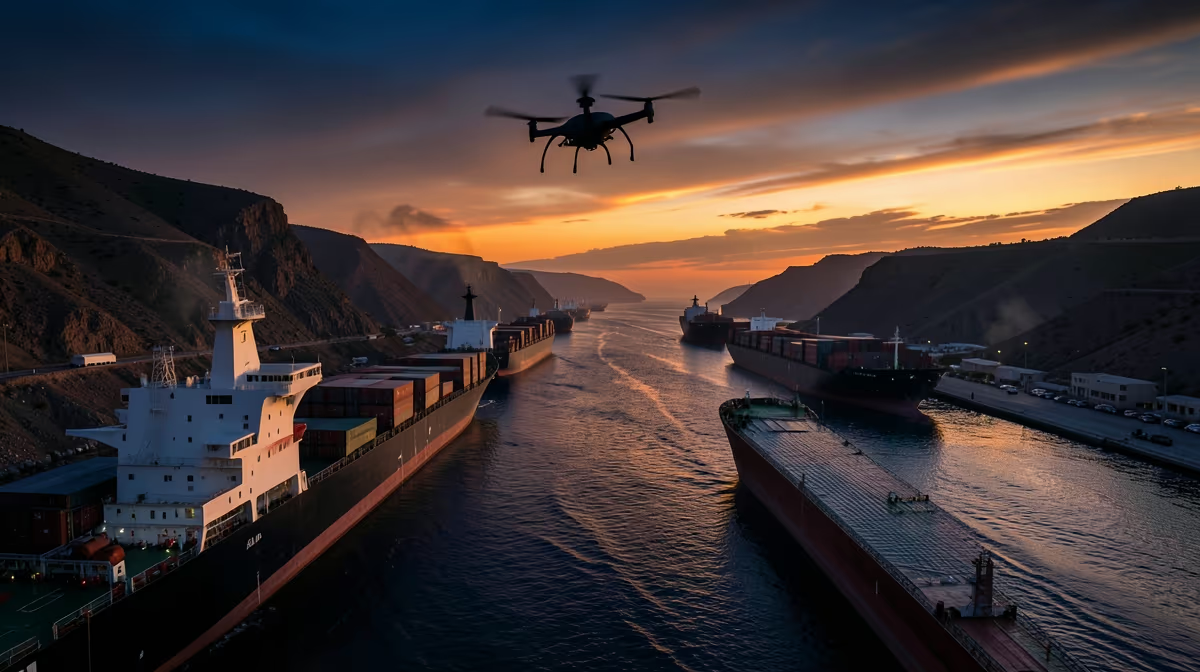
Energy markets have shown volatility as traders assess the risks of potential supply chain disruptions through the Strait of Hormuz, a critical chokepoint for global oil transit. Ministry of External Affairs officials are reportedly reviewing contingency plans to secure alternative energy sources should the situation deteriorate further. A major war between the US and Iran would destabilize the entire Middle East, potentially leading to a massive spike in global oil prices, supply chain disruptions, and economic instability worldwide, affecting everything from inflation to stock markets. People living in the Middle East, global investors, airline travelers, and millions of consumers worldwide—including in India—who depend on imported oil and stable fuel prices are directly affected. The economic angle involves severe disruption of global crude oil supply routes through the Strait of Hormuz, inflationary pressures on international markets, and the acceleration of India's strategic balancing act between US secondary sanctions and discounted Russian and Iranian energy procurement. Verified facts confirm that Donald Trump has issued stern warnings regarding Iranian military and nuclear policies, India imports a significant portion of its crude oil through West Asian shipping lanes, global crude oil prices have fluctuated in response to heightened geopolitical tensions, and diplomatic missions in the region have issued localized security advisories. The Indian Ministry of External Affairs spokesperson emphasized the need for peace, stating that all concerned parties should exercise utmost restraint and prioritize diplomatic channels to resolve differences and ensure regional stability.
Timeline And Historical Context
The animosity between the United States and Iran dates back to the 1979 Iranian Revolution. Over the decades, disputes over Iran's nuclear program, support for regional militia groups, and control of vital shipping lanes have kept the two countries in a state of persistent hostility. Tensions between the US and Iran escalated significantly during Donald Trump's presidency, notably with the 2020 airstrike that killed General Qasem Soleimani. Iran responded at the time with missile strikes targeting US forces in Iraq, pushing both nations to the brink of direct war. Trump has frequently criticized the 2015 Iran nuclear deal, preferring a strategy of maximum economic pressure. Recent political developments and ongoing Middle East conflicts keep fears alive that US-Iran hostilities could flare up again. Global superpowers and regional nations continue to urge restraint to prevent a catastrophic war. Diplomatic communications remain ongoing between regional stakeholders, and energy markets remain sensitive to security developments in the Strait of Hormuz, while the exact trajectory of US-Iran diplomatic relations and the potential implementation of further economic or security measures remain fluid.
Future Outlook And Strategic Projections
Over the next 24 hours, Indian diplomatic missions in the Middle East will monitor escalation risks, while domestic media debates the potential impact on crude oil prices and inflation in India. Within the next 72 hours, Indian financial markets and oil-importing entities will assess supply chain vulnerabilities, prompting government reviews on strategic petroleum reserves. Analysts in India expect New Delhi to maintain strategic autonomy, balancing ties with the US while securing energy supplies and protecting millions of Indian expatriates in the Gulf region. In a best-case scenario, tensions de-escalate through backchannel diplomacy, stabilizing global crude prices with minimal disruption to trade and the Indian diaspora. In a worst-case scenario, a full-scale conflict triggers severe oil shocks, surging inflation in India, and emergency evacuation protocols for Indian nationals in the Gulf region.
Frequently Asked Questions
Did Donald Trump start a war with Iran during his presidency?
No, Donald Trump did not start a full-scale war with Iran during his presidency, though tensions escalated significantly. His administration pursued a maximum pressure campaign involving economic sanctions and the targeted killing of Iranian General Qasem Soleimani in 2020. Iran responded with missile strikes against US forces in Iraq, but both sides avoided descending into open warfare.
What was Donald Trump's policy on Iran?
Donald Trump's policy toward Iran centered on a maximum pressure campaign after he withdrew the United States from the 2015 Iran nuclear deal, formally known as the JCPOA. The strategy aimed to cripple Iran's economy through heavy sanctions and force Tehran to renegotiate a more restrictive deal regarding its nuclear and regional ambitions. This approach successfully isolated Iran economically but also led to heightened military friction in the Persian Gulf.
Why did Donald Trump order the assassination of Qasem Soleimani?
Donald Trump ordered the targeted drone strike that killed Iranian General Qasem Soleimani in January 2020 to disrupt imminent attacks against American diplomats and service members. Soleimani, who headed the Quds Force of the Islamic Revolutionary Guard Corps, was viewed by Washington as the mastermind behind proxy attacks targeting US personnel across the Middle East. The strike was a major escalation that brought the US and Iran to the brink of a direct military conflict.
How did Iran respond to the killing of Qasem Soleimani?
Iran responded to the assassination of General Soleimani by launching ballistic missile strikes against two military bases in Iraq housing US troops. While the attack caused concussive brain injuries to dozens of American service members, there were no fatalities reported. Iranian leadership framed this as a proportionate initial retaliation while signaling that they did not immediately seek a broader war.
What is Donald Trump's stance on Iran in his current political campaigns?
In his recent campaigns, Donald Trump continues to criticize the current administration's handling of Iran, claiming that his strict sanctions had Tehran financially constrained and unable to fund proxy groups like Hamas and Hezbollah. He asserts that his strong deterrence kept global adversaries in check and prevented major conflicts during his term. Trump maintains that a return to his maximum pressure strategy is necessary to restore stability in the Middle East.
Could Donald Trump's actions lead to a US-Iran war if he is re-elected?
While predicting future conflicts is complex, foreign policy analysts debate whether Trump's aggressive deterrence prevents war through strength or risks accidental escalation. His administration demonstrated a willingness to use decisive military force, such as the Soleimani strike, while simultaneously avoiding prolonged ground engagements. Observers suggest that while Trump prefers economic pressure and direct deterrence over endless wars, his unpredictable approach leaves room for potential high-stakes confrontations.
Conclusion
The current geopolitical environment reflects a fragile equilibrium between deterrence and escalation in US-Iran relations. Verified developments show continued diplomatic vigilance, heightened energy market sensitivity, and active monitoring by international stakeholders including India. As regional actors and global powers navigate these tensions, the primary focus remains on preventing miscalculations that could jeopardize international trade, energy security, and regional stability. Stakeholders will continue to assess supply chain vulnerabilities and diplomatic pathways while awaiting further policy signals from Washington and Tehran.


