
Donald Trump Iran War Rhetoric Sparks Major Global Market Alarms
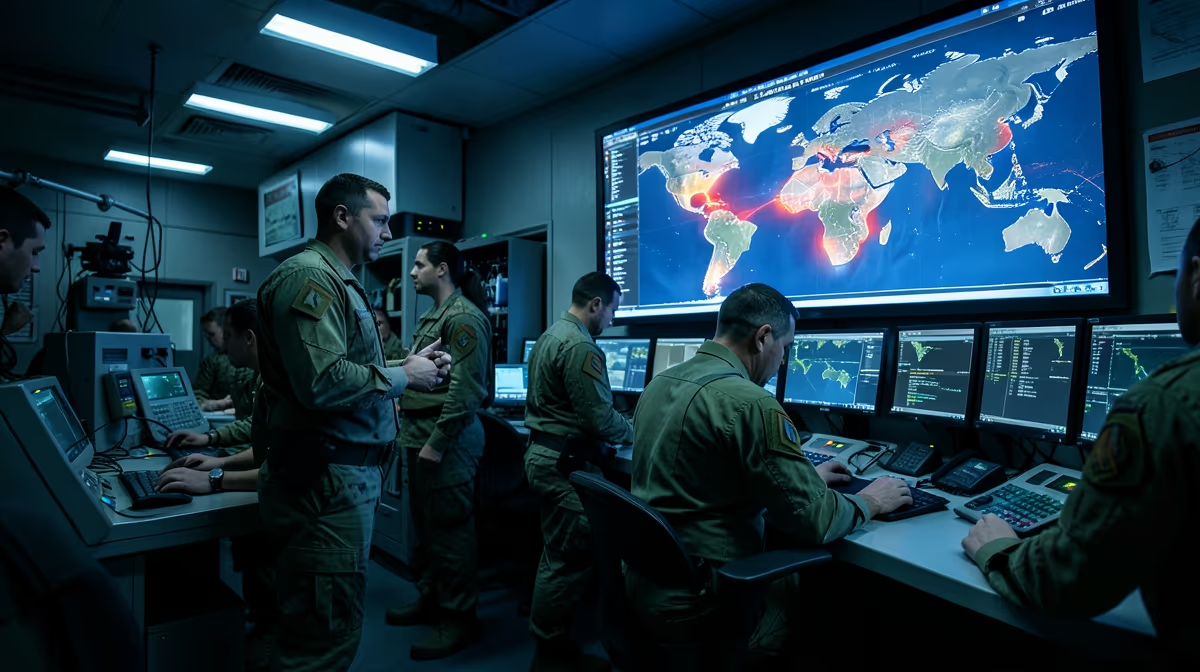
As tensions rise across West Asia, the shadow of a potential donald trump iran war looms large over global politics, impacting markets and diplomatic relations across the region. Amid escalating geopolitical friction, former US President Donald Trump warned of a potential descent into a major global conflict involving Iran, drawing significant diplomatic attention across India given its vital energy and diaspora interests in the region.
Background
The hostility stems from decades of complex geopolitical friction, which worsened significantly when the Trump administration re-imposed heavy economic sanctions on Iran and exited the 2015 international nuclear agreement. This dynamic reflects the structural incompatibility of Donald Trump's Maximum Pressure doctrine with Iran's pursuit of regional hegemony and nuclear latency, exacerbated by domestic political imperatives in Washington and Tehran to project strength. Trump leveraged hawkish foreign policy to appease domestic evangelical and pro-Israel constituencies while signaling decisive leadership, whereas Iranian hardliners used US aggression to sideline reformists and consolidate supreme clerical authority. The historical parallel lies in the 1980s Reagan administration Operation Praying Mantis and covert economic containment strategies against Iran, which similarly combined naval skirmishes with severe financial strangulation.
What Unfolded
Trump's recent statements regarding Iran have reignited debates over American foreign policy and the stability of the Middle East. The remarks come at a time when diplomatic channels between Washington and Tehran remain severely strained over regional proxy conflicts and Iran's advancing nuclear program. Tensions have risen due to past US actions, including the withdrawal from the Iran nuclear deal and targeted strikes. In response, Iran has increased its uranium enrichment and supported regional militia groups. The timeline of this friction includes the 2018 unilateral withdrawal from the Joint Comprehensive Plan of Action and reimposition of maximum pressure sanctions, followed by the 2020 assassination of General Qasem Soleimani near Baghdad International Airport, which brought US-Iran tensions to the brink of direct military conflict. The present landscape remains a persistent shadow war characterized by proxy attacks, regional instability, and advanced Iranian nuclear enrichment awaiting potential US policy shifts.
Economic And Geopolitical Fallout
Severe US sanctions crippled Iranian oil exports, forcing Tehran toward asymmetric economic survival tactics, while global markets faced volatility, and Indian energy security was directly threatened by forced compliance with secondary sanctions. Analysts note that any military escalation would severely disrupt global crude oil markets, directly impacting India's economy through higher import bills and potential supply chain vulnerabilities. Economic markets, especially oil prices, react instantly whenever conflict seems more likely. A war between the US and Iran would have immediate global consequences, particularly causing oil prices to skyrocket. Since India imports a large portion of its energy needs, higher crude oil prices would directly lead to inflation, making everyday goods, transportation, and electricity much more expensive for ordinary citizens. Furthermore, this friction shifted Middle Eastern alliances through the Abraham Accords, isolating Iran further while pushing Tehran closer to Russia and China, thereby accelerating the transition toward a multipolar global order through the extensive use of third-party proxy networks and cyber warfare as sub-threshold conflict mechanisms.
Strategic Assessment And Expert Outlook
While no direct military action has been announced, strategic experts in New Delhi emphasize the need for caution. Foreign policy analyst Dr. Meera Kumar stated, any friction involving Iran and the United States carries immediate collateral risks for India's energy security and regional stability, making diplomatic neutrality and active engagement paramount. Military forces in the Middle East remain on high alert due to the unpredictable nature of the standoff, and global leaders are urging both sides to exercise restraint to prevent a catastrophic regional war. People living in the Middle East face the most direct danger, but global consumers, especially in energy-importing countries like India, are heavily impacted by fluctuating oil prices, inflation, and economic uncertainty. New Delhi has consistently advocated for restraint and diplomatic dialogue to ensure the safety of over nine million Indian expatriates living and working in the Gulf region. Indian policymakers are closely monitoring the rhetoric from Washington as the US presidential campaign intensifies, preparing contingency plans for potential economic and strategic fallout should hostilities escalate.
Future Outlook And Regional Projections
Looking ahead across immediate timelines, Indian diplomatic missions in the Middle East will issue heightened advisory alerts for Indian nationals regarding potential regional escalations involving US-Iran tensions tied to Donald Trump's rhetoric. Within seventy-two hours, Indian energy markets and stock exchanges will monitor crude oil price fluctuations closely, anticipating supply chain disruptions and increased volatility due to geopolitical posturing. Key players navigating this landscape include Donald Trump, Iranian leadership, the Government of India, and OPEC, with impact areas centered on energy security, crude oil prices, the Indian diaspora in the Gulf, foreign policy, strategic autonomy, and stock market volatility. Analysts in India expect New Delhi to maintain a neutral stance, balancing its strategic ties with the United States while safeguarding energy imports from West Asia and protecting the large Indian diaspora in the region. The best case scenario involves rhetoric de-escalating with no direct military conflict, stabilizing global crude prices and ensuring the safety of Indian expatriates in the Middle East. Conversely, the worst case scenario entails a direct military confrontation causing a massive spike in global oil prices, severely impacting India's fiscal deficit, inflation, and energy security while threatening millions of Indian workers in the region.
Frequently Asked Questions
What are the primary drivers behind the current tensions involving Donald Trump and Iran?
The tensions stem from the structural incompatibility of Donald Trump's Maximum Pressure doctrine, including the 2018 withdrawal from the JCPOA and imposition of heavy sanctions, alongside Iran's pursuit of nuclear latency and regional influence through proxy networks.
How does this situation impact India's economy and energy security?
India relies heavily on West Asian energy imports and hosts a diaspora of over nine million citizens in the Gulf. Any escalation threatens to spike crude oil prices, driving inflation and increasing fiscal deficits while endangering expatriate workers.
What is the official diplomatic stance of New Delhi regarding the US-Iran friction?
New Delhi maintains a neutral stance, balancing strategic ties with the United States while safeguarding energy imports from West Asia, protecting its diaspora, and advocating for diplomatic dialogue and restraint.
Conclusion
Recent developments underscore the persistent volatility surrounding US-Iran relations and the far-reaching consequences of political rhetoric and past policy decisions on global stability. While diplomatic channels remain strained and military forces in the Middle East stay on high alert, governments like India continue to monitor energy markets, prepare contingency plans, and emphasize the necessity of peaceful engagement. Realistic next steps involve ongoing diplomatic vigilance, continuous assessment of crude oil price fluctuations, and proactive safety measures for expatriate populations across the region as the broader international community urges restraint.


