
Russian Submarine Anti-Drone Defenses Trigger Urgent US Navy Response
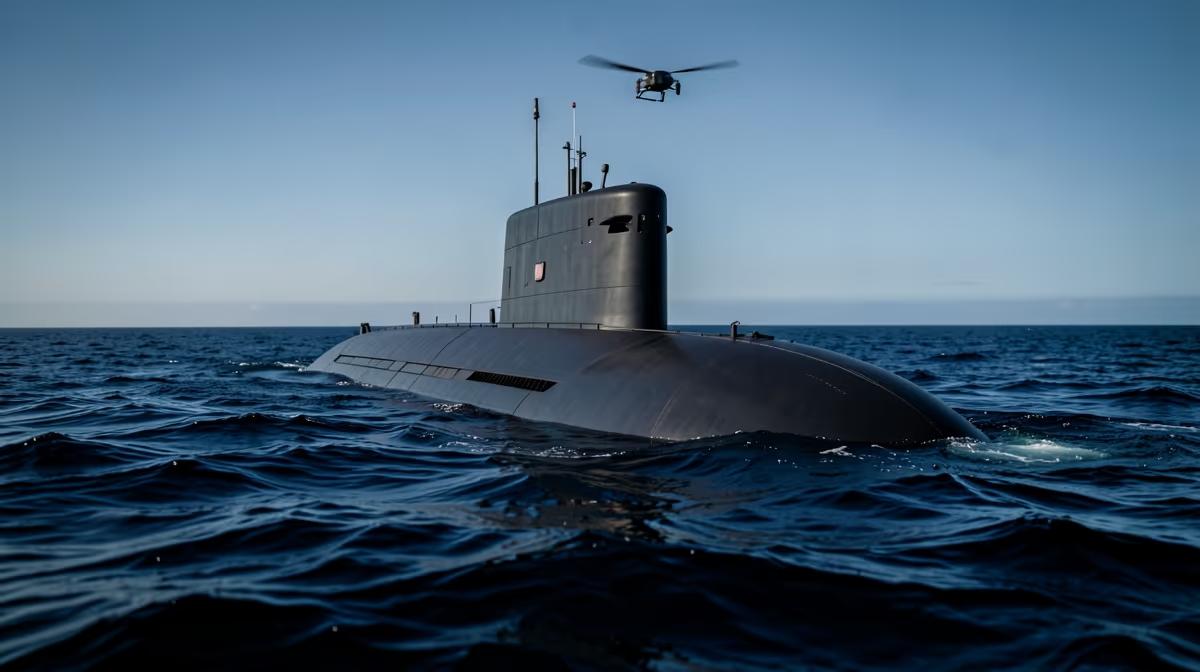
As modern naval warfare evolves, military analysts are closely monitoring russian submarine anti-drone defenses to understand how fleets adapt to asymmetric threats. The United States Navy is urgently accelerating the development of specialized anti-drone defenses for its submarine fleet, responding to rapid technological advancements by adversaries like Russia in unmanned aerial and underwater vehicle warfare. Historically designed to evade surface ships and rival submarines, modern U.S. nuclear and conventional subs now face a rapidly shifting threat matrix. With the proliferation of loitering munitions and asymmetric drone swarms, defense analysts note that emerging conflicts could expose surfacing or periscope-depth submarines to reconnaissance and kamikaze attacks before traditional countermeasures can deploy.
A Shifting Threat Landscape
The rapid proliferation of asymmetric maritime drone warfare in the Black Sea and Indo-Pacific has exposed the severe vulnerability of traditional strategic nuclear and diesel-electric submarines while surfaced, docked, or at periscope depth, forcing Moscow to urgently retrofit acoustic, kinetic, and electronic countermeasures. Historically, submarines were built to hide in the deep ocean, making them hard to find and destroy. However, the recent massive surge in cheap aerial and sea-going drones has created unexpected new vulnerabilities for warships and submarines alike, especially in enclosed seas and harbor environments. Russia is currently working on upgrading its military submarines to protect them from aerial and underwater drones. These modern unmanned vehicles have proven to be very effective and cheap weapons in recent conflicts, capable of spotting and attacking high-value targets like submarines even when they are hidden underwater or docked in port. To counter this threat, Russian engineers are adding new layers of defense to their fleet. This includes specialized anti-drone netting, electronic jamming equipment to disrupt drone signals, and potentially onboard automated guns designed to shoot down flying threats before they can get close enough to cause damage.
Technological Adaptation and Fleet Retrofits
Defense contractors and naval research laboratories have reportedly tested several mitigation concepts over the past year, ranging from modified periscope-mounted electronic jamming systems to specialized kinetic interceptors launched from standard torpedo tubes. While Russian naval doctrine increasingly emphasizes the integration of unmanned systems for littoral defense and anti-submarine warfare, Washington is racing to ensure its undersea assets maintain tactical superiority in contested waters. Budget documents and congressional hearings indicate that funding for undersea asymmetrical defense has seen a notable uptick. However, retrofitting existing hulls with novel anti-drone suites presents significant engineering challenges, particularly regarding maintaining stealth acoustic profiles while integrating active radar or optical detection arrays. According to a senior naval warfare analyst speaking on the condition of anonymity, the silent service has always looked outward and downward; today, we are forced to look directly upward at the skies and surface zones where low-cost drones can neutralize multi-billion-dollar assets. The reliance on commercially off-the-shelf components and improvised tactical fixes by Russian crews highlights supply chain vulnerabilities and a widening gap between official naval doctrine and actual operational readiness against AI-enabled autonomous underwater vehicles.
Geopolitical and Economic Dimensions
The Kremlin leverages the defense of its strategic deterrent fleet to project domestic strength and technical resilience, while Washington uses these developments to justify increased naval R&D budgets and heightened anti-submarine warfare surveillance along the GIUK gap and US maritime approaches. Diverting critical defense sector capital toward specialized submarine anti-drone defenses strains Russia's sanctions-hit military-industrial complex, creating lucrative contracting opportunities for US defense primes specializing in counter-UAV, directed energy, and advanced sonar systems. This dynamic accelerates the militarization of the Arctic and deep-sea domains, as Moscow and Washington vie for technological supremacy in undersea surveillance and protection, altering the strategic stability paradigm established during the Cold War. The rapid adaptation of capital ships with anti-torpedo nets and early anti-aircraft batteries during the interwar period prior to World War II offers a historical parallel, as navies scrambled to counter disruptive, low-cost aerial and subsurface innovations.
Timeline of Evolution
The trajectory of this maritime shift is charted through key operational milestones. In 2022, Ukrainian uncrewed surface vessels demonstrated unexpected lethality against Russian surface fleets in the Black Sea. By 2023, intelligence reports indicated Russian naval architects beginning hurried integration of improvised anti-drone screens and acoustic decoys on submarine classes. In 2024, satellite imagery and intercepted communications revealed operational deployment of counter-UAS measures at key submarine bases in Novorossiysk and Polyarny. Now, US intelligence and naval analysts closely monitor these adaptations as precursors to next-generation undersea warfare doctrine and counter-drone engagements. Defense contractors and naval intelligence agencies in the US will analyze newly surfaced intelligence regarding Russian submarine anti-drone acoustic and electronic countermeasures over the next 24 hours. Within 72 hours, military analysts will brief Pentagon officials on potential vulnerabilities in US unmanned undersea vehicles operating in contested zones.
Strategic Outlook and Future Projections
The United States Department of Defense, the Russian Ministry of Defense, US Naval Intelligence, and the Defense Advanced Research Projects Agency remain key players in this unfolding competition. The impact areas heavily touch upon US Naval Strategy, Undersea Drone Development, and Electronic Warfare Protocols. Expert prediction suggests the US Navy will likely accelerate the hardening of its undersea drones against acoustic jamming and directed-energy countermeasures. In the best case, US engineers rapidly develop countermeasures that neutralize Russian defensive systems without escalating naval tensions. In the worst case, a US autonomous underwater vehicle is successfully intercepted or disabled by Russian anti-drone defenses, prompting a diplomatic and strategic standoff.
Frequently Asked Questions
How do Russian submarines defend against underwater drones?
Russian submarines are increasingly integrating specialized electronic warfare systems and acoustic decoys to confuse incoming unmanned underwater vehicles. Additionally, crews rely on advanced sonar to detect small drone signatures before they can close in for an attack. Naval architects are also exploring modified hull coatings to reduce acoustic and magnetic profiles, making submarines harder for autonomous drones to track.
Are Russian submarines equipped with anti-drone nets?
While surface ships in ports like Sevastopol have been heavily fitted with anti-drone physical barriers, submarines primarily rely on mobility and active defense systems while deployed. However, when docked at naval bases, Russian submarines may utilize surrounding harbor booms and net barriers for stationary defense. These physical countermeasures are designed to entangle or detonate aerial and aquatic drones before they impact the hull.
Can Russian submarines shoot down aerial drones?
Submarines are generally not equipped with dedicated anti-aircraft weaponry to shoot down aerial drones due to stealth and hydrodynamic design constraints. Instead, modern submarines avoid detection by remaining submerged and maintaining strict electromagnetic silence. If forced to surface, the crew relies on standard small arms or relies on nearby surface escort vessels for air defense.
What role does electronic warfare play in Russian submarine anti-drone strategy?
Electronic warfare is a cornerstone of modern Russian naval defense, aimed at disrupting the communication links between drones and their operators. By jamming GPS and radio frequencies, Russian submarines can blind autonomous or remotely piloted vehicles operating in contested waters. This forces the drones to either abort their mission or lose navigation capabilities entirely.
How effective are current Russian anti-drone defenses against modern naval drones?
The effectiveness of Russia's anti-drone defenses has proven mixed, particularly in the Black Sea where Ukrainian asymmetric warfare has successfully targeted naval assets. While electronic jamming works against certain radio-controlled drones, fully autonomous vehicles operating on pre-programmed AI routes are much harder to disrupt. Consequently, the Russian Navy is rapidly iterating its defense technologies to keep pace with evolving drone capabilities.
Do Russian nuclear submarines have special anti-drone capabilities?
Strategic nuclear submarines operate primarily in deep, open oceans where the threat from asymmetric surface and underwater drones is significantly lower than in coastal regions. Their primary defense remains deep-submergence capability and high-speed transit, which inherently protects them from most types of light naval drones. Nevertheless, newer classes are receiving upgraded countermeasure suites to safeguard them during transit through choke points and shallow seas.
Conclusion
The rapid evolution of unmanned aerial and aquatic technology has fundamentally disrupted traditional naval dominance models, forcing superpowers to rethink the defense of their most strategic undersea assets. Verified developments confirm that both the U.S. Navy and the Russian Navy are actively pursuing active and passive countermeasures, from electronic jamming and acoustic decoys to physical harbor protections and retrofitted hull defenses. While the U.S. Navy researches advanced mitigation systems and increases budget allocations for asymmetric undersea defense, the Russian Navy continues to hurriedly adapt its fleet to counter low-cost maritime drone threats. Realistic next steps involve continued intelligence gathering, rigorous testing of hardened undersea drones, and the careful monitoring of tactical adaptations in contested regional waters as global military strategists navigate this ongoing technological arms race.


