
USS Abraham Lincoln Arrives in Thailand After 286 Days at Sea
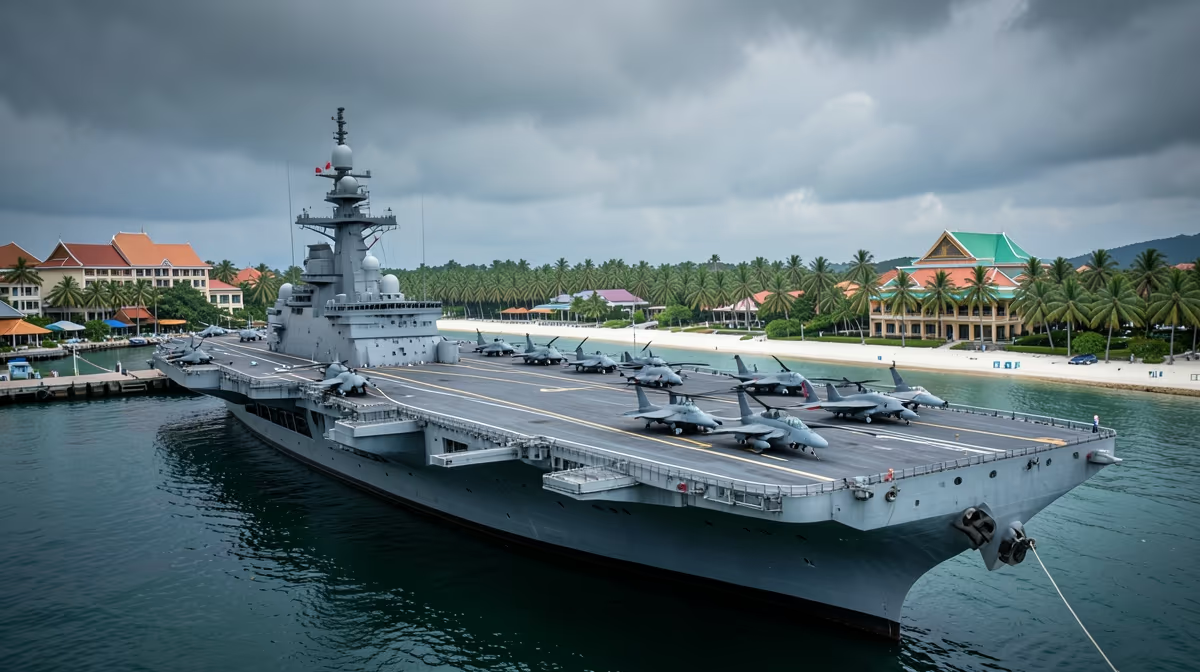
The USS Abraham Lincoln has officially arrived in Thailand following an extensive Middle East deployment. The massive warship docked near Thailand's Pattaya resort area, marking the end of months of combat operations and a lengthy deployment in the region.
Reports from major news organizations, including CNN, Anadolu Ajansı, USA Today, Newsweek, and France 24, highlighted the carrier's arrival after enduring nearly nine months at sea amidst intense operational demands in the Middle East. Photographs of the US Navy aircraft carrier upon its port arrival revealed the condition of the warship after nearly 300 days of continuous operations. The deployment involved significant combat and strategic maneuvers related to ongoing regional tensions before the vessel was relieved.
The extended tour at sea has brought renewed focus to the operational strain placed on naval assets and crew members during high-tempo Middle East deployments. While the ship enjoys a port visit in Thailand, the broader naval presence in the region continues to adapt to ongoing logistical and security challenges.
Strategic Port Visit Highlights Naval Operations
The U.S. aircraft carrier USS Abraham Lincoln has finally docked near Thailand's Pattaya resort after spending a grueling 286 days—nearly nine months—at sea. The massive warship and its crew have been operating in the Middle East, handling intense combat duties amid regional tensions. After nearly a full year away from home and continuous months of active deployment, port visits like this provide a vital break for sailors to rest, recharge, and conduct necessary maintenance on the vessel before heading back home or taking on new assignments.
- The aircraft carrier USS Abraham Lincoln recently arrived in Thailand.
- The arrival follows a demanding deployment in the Middle East region.
- The warship spent a total of 286 days, or roughly nine months, continuously at sea.
- The carrier docked near Thailand's popular Pattaya resort area.
- The deployment involved intensive operations and combat duties tied to regional conflicts.
The extended deployment significantly impacted the sailors aboard the ship, with reports highlighting challenges related to crew morale and the strains of long-term combat operations.
Operational Strain and Geopolitical Context
The prolonged deployment of the USS Abraham Lincoln reflects sustained maritime security operations and high-tempo deterrence strategy amid regional conflicts. Aircraft carriers and their strike groups are deployed globally to project power, protect trade routes, and respond to crises. Due to high operational tempos in recent years, U.S. Navy deployments have frequently extended well beyond the traditional six-month mark, increasing wear and tear on both ships and crews.
Military analysts note that domestic scrutiny over extended military deployments, crew morale crises, and the pressure on the administration to manage military personnel strain while maintaining a credible deterrent posture are critical dimensions of this deployment. Substantial operational and logistical costs are associated with maintaining a nuclear-powered aircraft carrier and its strike group at sea for nearly nine months, impacting naval readiness budgets and supply chain logistics.
The rotational presence of US carrier strike groups in key strategic regions highlights the challenges of overextension and the strategic necessity of transitioning naval assets between the Middle East and Indo-Pacific theaters. Furthermore, the physical condition of the warship after nearly 286 days at sea points to broader maintenance backlogs and strain on naval infrastructure that could limit rapid redeployment capabilities, mirroring extended Cold War-era naval deployments and post-9/11 carrier rotations that stretched fleet maintenance cycles.
Future Outlook and Regional Impact
Crew rest and replenishment operations will continue as the USS Abraham Lincoln remains docked near Thailand's Pattaya resort following its long Middle East deployment. Media coverage and public interest will likely focus on the condition of the warship and the crew's well-being after nearly 300 days at sea, while regional naval adjustments remain under observation.
Experts predict that the focus will shift toward logistical assessments, crew rotation, and maintenance of the carrier following an extended combat deployment. Smooth port operations in Thailand allow the crew to successfully rest and recuperate without incident, while routine maintenance proceeds as planned. However, potential logistical bottlenecks or intensified scrutiny over crew morale and warship wear-and-tear could complicate the port visit.
The physical condition of the warship after nearly 286 days at sea highlights the heavy operational strain and logistical challenges of prolonged combat deployments on naval assets and crew members.
Frequently Asked Questions
Why did the USS Abraham Lincoln arrive in Thailand?
The USS Abraham Lincoln arrived in Thailand for a port visit following a prolonged deployment in the Middle East. The warship docked near Pattaya after spending months at sea supporting operations in the region.
How long was the USS Abraham Lincoln deployed at sea?
The aircraft carrier spent an extensive period away from homeport, totaling roughly 286 days or about nine months at sea. This grueling combat deployment tested the endurance of both the vessel and its crew.
What was the condition of the USS Abraham Lincoln upon its arrival?
Recent photos and reports highlighted the visible condition of the warship as it made port following its intense Middle East operations. These images offered a glimpse into the wear and tear experienced by the carrier after nearly a year of continuous deployment.
Who is affected by the lengthy deployment of the USS Abraham Lincoln?
The extended deployment significantly impacted the sailors aboard the ship, with reports highlighting challenges related to crew morale and the strains of long-term combat operations. Military families and support networks were also affected by the prolonged separation.
What happens next regarding carrier deployments in the Middle East?
Following the departure and rotation of the USS Abraham Lincoln, the military has positioned replacement aircraft carriers to maintain a continuous presence in the Middle East. These shifts ensure ongoing regional security and address supply and logistical challenges in the area.
What background context led to this carrier's deployment?
The deployment involved intensive combat operations and patrols in the Middle East, often tied to regional conflicts and heightened tensions involving Iran. Such missions require prolonged carrier strike group presences to project power and protect international shipping lanes.
Conclusion
The arrival of the **USS Abraham Lincoln** in Thailand marks the conclusion of a demanding 286-day deployment in the Middle East characterized by intense combat operations and strategic deterrence missions. Verified reports from multiple international news organizations confirm that the vessel and its crew have transitioned to the Indo-Pacific region, where ongoing port operations focus on crew rest, replenishment, and addressing the physical wear and tear on the warship. As replacement carriers maintain continuous presence in the Middle East, the focus remains on logistical assessments, personnel welfare, and maintaining naval readiness following an extended period of high-tempo maritime operations.
Sources
- Aircraft carrier USS Abraham Lincoln arrives in Thailand after months of combat in Middle East — CNN
- US aircraft carrier Abraham Lincoln arrives in Thailand after Iran war deployment — Anadolu Ajansı
- USS Abraham Lincoln arrives in Thailand after 286 days at sea — USA Today
- USS Abraham Lincoln Photos Reveal Warship’s Condition As It Makes Port — Newsweek
- USS Lincoln carrier docks near Thailand's Pattaya resort after nine months at sea — France 24
- The New York Times. . Amid a crew morale crisis, the military has replaced the U.S.S. Abraham Lincoln in the Middle East with another aircraft carrier. Our Pentagon reporter John Ismay, a Navy veteran, explains how the challenges to supply ships in the area — facebook.com


