
Chiricahua National Park Act Enacted as Arizona Faces Major Shifts
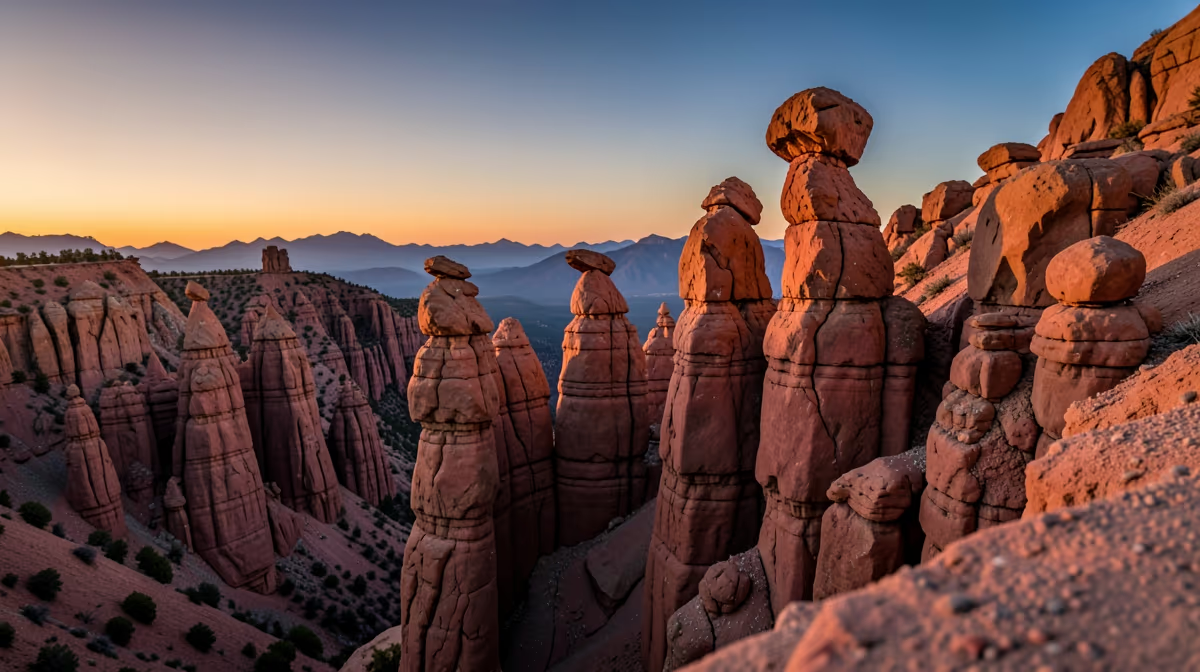
Towering stone spires formed by ancient volcanic activity across millions of years have long remained one of the American Southwest's best-kept secrets. That status changed permanently when the Chiricahua National Park Act was officially signed into law, transitioning the former Chiricahua National Monument into the state's fourth national park.
The historic signing of the Chiricahua National Park Act marks a major milestone for conservation efforts in the United States and expands protections across Arizona's public lands. Multiple news outlets, including the Arizona Daily Star, ABC15 Arizona, AZ Family, Outside Magazine, USA Today, azcentral.com, and The Arizona Republic, confirmed the enactment of the legislation, which elevates the federal profile of the southeastern Arizona landmark.
The Chiricahua National Park Act officially elevates the former national monument into Arizona's fourth national park, granting the geological wonder enhanced federal protection and higher national visibility.
What Unfolded: The Transition from Monument to National Park
The legislative path that brought national park status to Chiricahua culminated in formal enactment, crowning years of localized advocacy and legislative proposals. Previously managed as a national monument, the territory has long drawn hikers, nature photographers, and conservationists attracted to its rugged canyons, balancing rocks, and sheer stone spires.
Under the newly signed public lands legislation, the site joins the ranks of Arizona's premier protected outdoor assets. The transition reflects a broader historical pattern across federal land management. Similar to the historical elevation of landscapes like the Grand Canyon or Pinnacles, transitioning from a monument to a national park fundamentally reshapes how a natural area is funded, preserved, and perceived by the public.
The core verified developments of the transition include:
- Prior years of localized advocacy and legislative proposals seeking elevation of the monument.
- Passage of the Chiricahua National Park Act through Congress.
- Formal signing of the Act, which legally establishes the site as Arizona's fourth national park.
Why the Designation Matters for Conservation and Public Lands
National parks in the United States represent natural areas preserved specifically for their exceptional natural beauty, distinct geological wonders, or broader ecological significance. Unlike national monuments, national parks are typically established through dedicated federal legislation to ensure elevated tiers of resource protection, sustained management, and long-term public access.
National park status typically brings higher profiles, increased tourism funding, and enhanced resource protection to vital natural landmarks.
For Chiricahua, this legislative change highlights a unique ecosystem set against a striking geological backdrop. Elevating the landscape protects its fragile volcanic rock spires while reinforcing state-level consensus on safeguarding natural heritage. On a domestic scale, positioning these public lands under the National Park System strengthens federal environmental stewardship, reinforcing national soft power and cultural capital through conservation.
Economic Dimensions and Regional Tourism Shifts
Beyond environmental preservation, the upgrade carries immediate economic implications for local communities in Arizona. Regional tourism authorities and local hospitality sectors surrounding southeastern Arizona stand to gain from the heightened national attention.
| Feature | Chiricahua National Monument (Former) | Chiricahua National Park (Current) |
|---|---|---|
| Administrative Status | Federal National Monument | Official US National Park |
| State Standing | Protected federal site | Arizona's 4th national park |
| Primary Attraction | Volcanic rock spires, balancing rocks, canyons | Volcanic rock spires, balancing rocks, canyons |
| Legislative Foundation | Monument designation | Chiricahua National Park Act signed into law |
| Tourism & Funding Profile | Regional hidden gem | National park profile with elevated visibility |
The elevation is expected to generate an increase in tourism revenue, localized hospitality growth, and augmented federal resource allocation for infrastructure. Businesses operating near the park, nature enthusiasts, and travelers visiting Arizona will directly experience the changes brought by rising interest and expanding travel inquiries.
The Hidden Angles: Infrastructure and Land Management Challenges
While the legislative achievement brings widespread celebration, the elevation of public lands status introduces complex operational considerations for the National Park Service and local managers.
The transition may spark secondary land-use debates regarding surrounding federal and private acreage, potentially intensifying discussions on buffer zones and wildlife corridors. Heightened public visibility inevitably brings operational trade-offs:
- Best-case outcome: The official designation successfully boosts local economic growth through sustainable tourism while securing enhanced federal funding and protection for the park's unique natural spires and ecosystem.
- Worst-case outcome: A sudden influx of visitors could strain local infrastructure and complicate conservation efforts if management resources are not scaled adequately to meet visitor demand.
Analysts expect that balancing these outcomes will require regional authorities and federal land managers to carefully coordinate the initial surge in public attention.
What Comes Next: The Immediate Outlook
Following the enactment of the Chiricahua National Park Act, regional activity will move through several distinct phases. Over the next 24 hours, media coverage and local celebrations will continue to highlight the park's new standing as Arizona's fourth national park. Officials, conservationists, and tourism stakeholders are expected to issue statements celebrating the designation while framing future preservation goals.
Over the next 72 hours, tourism boards, local businesses, and federal land management agencies will begin actively promoting the newly designated national park, anticipating an influx of travel inquiries. What remains actively developing is the precise timeline for how the National Park Service plans to manage the anticipated increase in visitor traffic, roll out park branding and infrastructure updates, and execute upcoming celebratory events or implementation phases.
Frequently Asked Questions
What is the Chiricahua National Park Act?
The Chiricahua National Park Act is newly signed legislation that officially designates the former Chiricahua National Monument as a national park. This change elevates the status of the protected area, recognizing its unique geological features.
Which state is home to the new Chiricahua National Park?
Chiricahua National Park is located in Arizona, making it the state's fourth national park. The destination is known for its remarkable towering rock spires and expansive landscapes.
Why did Chiricahua National Monument become a national park?
The designation recognizes the area's stunning natural beauty, unique towering spires, and ecological significance. Supporters hope the upgrade will bring increased attention and tourism to this previously lesser-known Arizona destination.
Who signed the Chiricahua National Park Act into law?
The legislation was signed into law, officially transitioning the popular Arizona monument into a full national park following coordinated congressional and executive action.
What happens next for visitors and the park?
With the official transition, visitors can expect increased national recognition and potential updates to park branding and infrastructure. The area will continue to be managed to preserve its towering spires and rich local ecosystems for future generations.
What geological features are Chiricahua known for?
Chiricahua is widely celebrated for its dramatic towering stone spires, balancing rocks, and rugged canyons formed by volcanic activity millions of years ago. These unique formations have long made it a favorite hidden gem for hikers and nature photographers.
Conclusion
The enactment of the Chiricahua National Park Act officially cements the former monument as Arizona's fourth national park. With the legislative process complete, key players including the National Park Service, regional tourism authorities, and local communities will focus on implementing the designation, balancing anticipated visitor growth against the ongoing preservation of Chiricahua's ancient geological formations.
Sources
- Trump signs law creating Chiricahua National Park in Arizona — Arizona Daily Star
- Chiricahua National Park Act signed into law, marking fourth National Park in Arizona — ABC15 Arizona
- Chiricahua’s towering spires now stand as Arizona’s newest national park — AZ Family
- Chiricahua National Monument Just Became America’s Newest National Park — Outside Magazine
- The towering landscape of Arizona's the Chiricahua National Monument — USA Today
- Arizona hidden gem officially named state's 4th national park — azcentral.com and The Arizona Republic


