
Iran War Hormuz Crisis Threatens Global Energy Markets Instantly
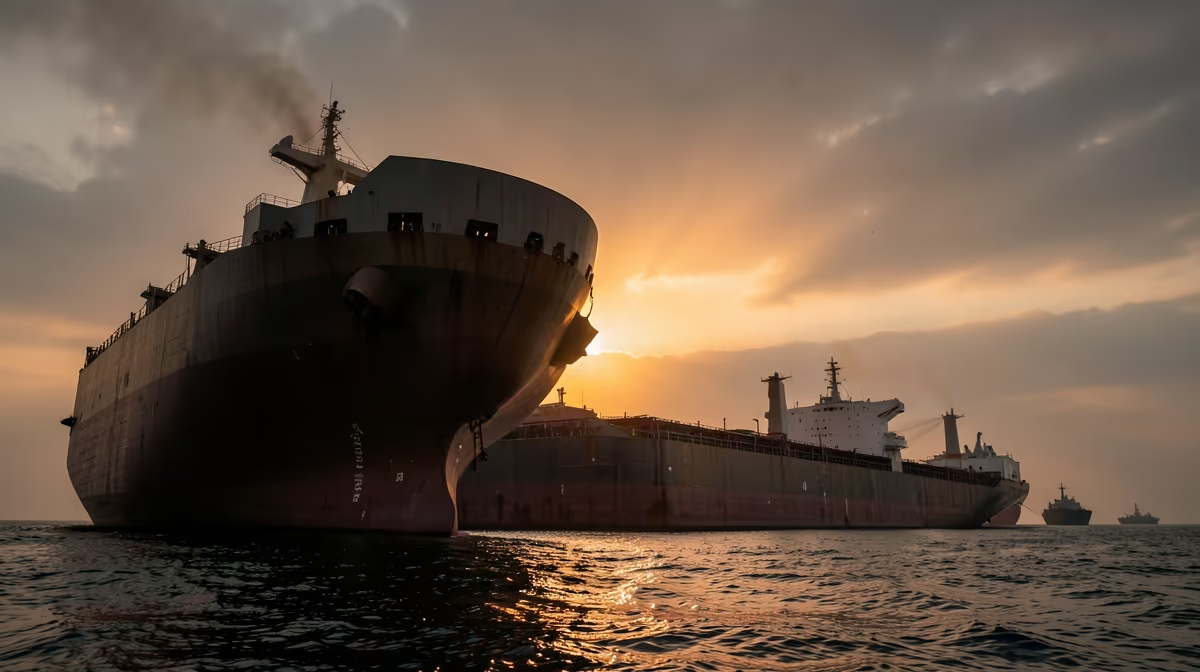
Global energy markets and international shipping lanes faced acute disruption this week as escalating military tensions between Iran and Western coalition forces effectively closed the vital Strait of Hormuz, threatening nearly a fifth of the world's petroleum supply. As tensions escalate, the iran war hormuz situation continues to develop rapidly, raising severe concerns over international stability and economic continuity across major global economies.
The Strategic Importance of the Waterway
The Strait of Hormuz is a crucial global shipping bottleneck located between the Persian Gulf and the Gulf of Oman. This narrow waterway serves as one of the most important shipping lanes in the world, acting as a critical passage where massive cargo ships carry vital goods globally. Because Iran borders this northern coastline of the strait, any military conflict or heightened hostility in the region creates the risk that Iran could block or disrupt this essential maritime passage. Even the threat of disruption causes panic, forcing governments and shipping companies to rethink how they move goods through the area.
A significant portion of the world's petroleum supply passes through this single waterway, making the entire region a persistent geopolitical flashpoint for decades. Periodic standoffs between Iran, the United States, and regional allies over the freedom of navigation have defined the area's history. The structural root cause of these ongoing frictions lies in the imperative for Tehran to maintain asymmetric deterrence against Western naval dominance by controlling this chokepoint of global energy flows. Hardline factions within Iran utilize regime survival tactics to suppress internal dissent through external nationalism and manufactured crises, reinforcing their strategic posture along the coastline.
What Unfolded in the Persian Gulf
The crisis at the crucial maritime chokepoint escalated rapidly following a series of naval skirmishes and reported drone attacks on commercial tankers transiting the narrow passage. Commercial tanker traffic through the Strait of Hormuz has dropped significantly following these recent military escalations. Insurance underwriters have responded by canceling war-risk coverage for vessels operating in the Persian Gulf, leading to an immediate and near-total halt in commercial maritime traffic through the strait.
Military analysts and defense officials report that Iranian naval forces have established an enhanced anti-access and area-denial posture along the coastline, deploying shore-to-ship missiles and fast attack craft. In response, the United States Navy and allied coalition partners have reinforced their presence in the broader Gulf of Oman and Arabian Sea to protect freedom of navigation. However, naval commanders acknowledge that escorting every commercial vessel through the contested zone remains logistically impractical given the asymmetric threat environment. Major marine insurers have suspended or dramatically increased rates for war-risk coverage in the Persian Gulf, compounding the operational paralysis for shipping conglomerates.
Diplomatic channels have experienced intense activity, with United Nations officials calling for immediate restraint and the reopening of the crucial trade route. European Union foreign ministers convened emergency talks to assess the impact on regional energy security and coordinate potential diplomatic interventions. Despite these efforts, neither Tehran nor Washington has signaled a willingness to de-escalate, raising fears of a prolonged blockade that could trigger a global economic slowdown.
Economic Fallout and Market Reactions
Energy traders scrambled to price in the sudden supply shock, driving benchmark crude oil prices up by more than eight percent in early trading sessions as major Asian and European importers sought alternative, albeit limited, overland pipelines. When the flow of goods through the Strait of Hormuz is threatened, it directly impacts the global economy by driving up the cost of energy. Because so much oil travels through this single channel, any blockage can lead to skyrocketing fuel prices worldwide, making everyday items more expensive to produce, ship, and buy.
Global crude oil benchmark prices surged by more than eight percent following reports of the shipping bottleneck. Drivers, businesses, and consumers globally will feel the impact through higher fuel prices and inflation, while countries that rely heavily on Middle Eastern energy imports face immediate supply shortages. The vulnerability of global energy markets to supply shocks triggers exponential spikes in crude prices, maritime insurance premiums, and inflationary pressures worldwide. Furthermore, the closure or restriction of the strait threatens China's primary energy lifeline, forcing Beijing into delicate diplomatic balancing acts on the international stage amid a high-stakes proxy chessboard.
Historical Context and Operational Realities
The current standoff shares notable parallels with the 1980-1988 Tanker War phase of the Iran-Iraq War, where commercial shipping was systematically targeted to leverage international economic pain. Over the decades, tensions have flared through various incidents, including the 1984 Tanker War escalation and Operation Praying Mantis, as well as the 2019-2020 attacks on oil tankers and seizure of vessels in the Persian Gulf. These events form the historical backdrop to the present-day convergence of regional proxies, naval standoffs, and kinetic deterrence.
Under international law, specifically the United Nations Convention on the Law of the Sea, international straits used for international navigation are subject to the regime of transit passage. Therefore, any unilateral attempt by Iran to legally close or restrict passage for foreign vessels is widely considered a violation of international law. Despite this legal framework, operational realities on the water are dictated by naval forces from the United States and allied nations increasing patrols in the waters outside the immediate strait, while the U.S. Navy Fifth Fleet regularly patrols the region to maintain freedom of navigation and protect commercial shipping lanes.
Outlook and Projected Scenarios
In the next 24 hours, market observers anticipate increased naval patrols by the US Fifth Fleet and allied nations in the Strait of Hormuz following heightened rhetoric and minor maritime disruptions. Looking ahead to the next 72 hours, potential implementation of enhanced insurance surcharges for commercial vessels transiting the Persian Gulf is expected, accompanied by diplomatic efforts from regional intermediaries to de-escalate tensions.
Key players navigating this crisis include the Iran Islamic Revolutionary Guard Corps Navy, the United States Fifth Fleet, OPEC+ energy ministers, and global shipping conglomerates. The primary impact areas remain global crude oil prices, Middle East maritime trade, international shipping insurance markets, and regional geopolitical stability. Expert prediction indicates that while tactical posturing and asymmetric naval maneuvers will increase friction in the Strait of Hormuz, both Washington and Tehran remain incentivized to avoid a full-scale military conflict that would devastate the Iranian economy and shock global energy markets.
Under a best-case scenario, back-channel negotiations successfully de-escalate maritime tensions, leading to a temporary moratorium on aggressive naval intercepts and the stabilization of oil futures. Conversely, the worst-case scenario warns that a miscalculation leads to a kinetic exchange resulting in localized tanker damage, temporary closure of the Strait of Hormuz, and an immediate spike in global oil prices exceeding 30 percent.
Frequently Asked Questions
Why is the Strait of Hormuz important in an Iran war?
The Strait of Hormuz is a critical chokepoint for global oil supplies, connecting the Persian Gulf with the Gulf of Oman. During a conflict involving Iran, this narrow waterway is vulnerable to closures or military blockades, which could severely disrupt international energy shipments and spike global oil prices.
Can Iran actually close the Strait of Hormuz?
Iran possesses the geographic advantage and military capabilities, including naval mines, anti-ship missiles, and fast-attack craft, to threaten or temporarily disrupt shipping in the strait. However, a complete and prolonged closure would likely trigger a massive military response from the United States and its allies to reopen the route.
How would a closure of the Strait of Hormuz affect global oil prices?
Because roughly a fifth of the world's petroleum passes through the Strait of Hormuz, any significant blockage would instantly restrict supply. Energy markets would react with extreme volatility, leading to dramatic surges in crude oil and gasoline prices worldwide.
What role does the US Navy play in the Strait of Hormuz?
The US Navy's Fifth Fleet, headquartered in Bahrain, regularly patrols the region to maintain freedom of navigation and protect commercial shipping lanes. In the event of an Iran war, U.S. forces would be tasked with neutralizing Iranian threats, clearing naval mines, and escorting oil tankers through the strait.
Are there alternative routes for oil if Hormuz is closed?
There are very few viable alternatives to bypass the Strait of Hormuz for large-scale oil exports. While pipelines in Saudi Arabia and the United Arab Emirates offer some limited capacity to export oil to the Red Sea, they cannot fully replace the massive volume of crude typically transported through the strait.
How does international law view the blockade of the Strait of Hormuz?
Under the United Nations Convention on the Law of the Sea (UNCLOS), international straits used for international navigation are subject to the regime of transit passage. Therefore, any unilateral attempt by Iran to legally close or restrict passage for foreign vessels would be widely considered a violation of international law.
Conclusion
Commercial tanker traffic through the Strait of Hormuz has experienced a de facto closure alongside the suspension of war-risk insurance and a substantial spike in international oil prices following recent military escalations. Diplomatic channels remain active as international bodies and regional intermediaries work to assess the impact on global energy security. Realistic next steps involve heightened naval patrols by the United States Fifth Fleet and allied nations, potential implementation of enhanced marine insurance surcharges, and ongoing diplomatic interventions aimed at preventing further kinetic escalation in the Persian Gulf.


