
Iran War Hormuz Tensions Trigger Alarms Across Global Energy Markets
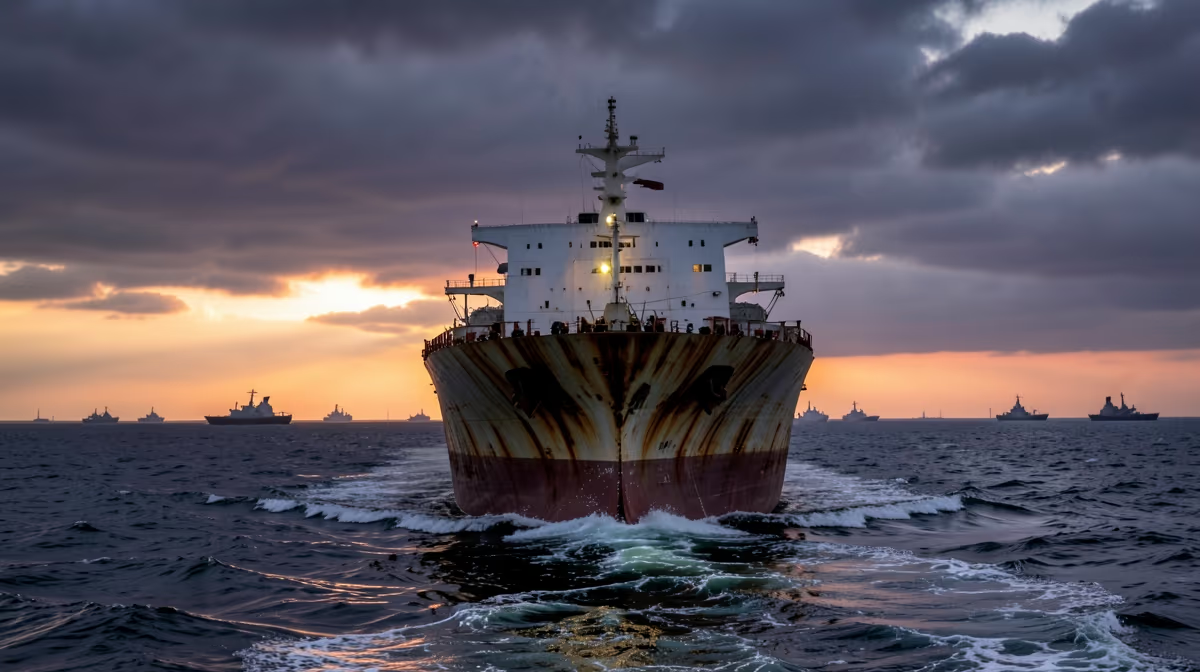
The escalating tensions surrounding the iran war hormuz situation have sent shockwaves through international energy markets, raising immediate concerns over potential trade blockades. Global energy markets and international shipping routes faced severe disruptions this week as military tensions escalated significantly in the Strait of Hormuz, threatening a critical chokepoint for nearly a third of the world's seaborne petroleum.
Anatomy of a Maritime Chokepoint
Tensions involving Iran have raised major concerns about the Strait of Hormuz, a narrow and vital waterway in the Middle East. Because a massive share of the world's oil passes through this channel on cargo ships, any conflict or threat to block the strait creates panic in global energy markets. Governments and military forces are closely watching the situation to ensure that oil tankers can continue to travel safely. Even the threat of disruption can cause immediate ripples across international trade and shipping lanes, prompting a heightened state of alert among neighboring countries and global superpowers.
The geography of the region dictates its strategic weight. The Strait of Hormuz connects the Persian Gulf with the Gulf of Oman, acting as the primary marine highway for petroleum exports from the region. Roughly a fifth of the world's petroleum passes through this specific chokepoint daily. Iran borders the northern coast of the strait and has historically utilized its position to project power and influence regional stability. Naval forces from various nations patrol the area to protect commercial shipping from asymmetric threats, yet any military escalation here causes immediate spikes in global crude oil prices.
Recent Escalations at Sea
The crisis intensified following a series of naval skirmishes and electronic warfare incidents involving commercial tankers and regional military forces operating near the narrow waterway. Maritime authorities reported multiple distress signals from vessels navigating the passage, prompting several major shipping companies to temporarily suspend operations in the area pending further security assessments. Insurance underwriters have responded by drastically increasing risk premiums for vessels transiting the Persian Gulf, compounding existing supply chain pressures.
In response to the mounting instability, military commands in multiple nations have deployed additional naval assets to the region to safeguard international waters and ensure freedom of navigation. Diplomatic channels remain active as foreign ministries urge maximum restraint from all parties involved, warning that any prolonged blockage of the strait could trigger severe economic ramifications on a global scale. Energy analysts note that benchmark crude oil prices surged following the initial reports of the disruption, reflecting deep market anxiety over potential physical supply shortages. While land-based pipelines offer limited alternative transit capacities, they are insufficient to fully replace the massive volume of crude typically transported through the maritime corridor daily.
Strategic Drivers and Geopolitical Realities
The root cause of these recurrent flashpoints lies in the structural imperative for Tehran to project asymmetric deterrence against Western naval supremacy and economic strangulation, utilizing geography as a permanent choke point. This posture is driven by regime survival tactics by hardline factions in Tehran who leverage external escalation to suppress domestic dissent, contrasted with Washington's bipartisan pressure strategy and Gulf Arab anxiety over collateral damage.
Furthermore, this dynamic creates a high-stakes chess match involving the United States, China, and regional powers, where disruption in Hormuz directly threatens Beijing's energy security and accelerates multipolar maneuvers away from the US dollar. Observers also note a hidden angle involving the rapid militarization of the seabed and cyber-warfare domains targeting critical maritime communication cables and port automation infrastructure, largely invisible to traditional naval observation. This environment mirrors historical parallels such as the 1980-1988 Tanker War phase of the Iran-Iraq conflict, where attacks on commercial shipping drew direct superpower naval intervention and tested the limits of international law in enclosed seas.
Economic Fallout and Real-World Impact
When shipping through the Strait of Hormuz is threatened, the flow of global energy is instantly jeopardized. This disruption directly translates to higher oil prices, which soon lead to more expensive gasoline at the pump, increased costs for manufacturing and transport, and rising inflation for everyday consumers worldwide.
The primary victims of this instability include everyday consumers worldwide who buy gasoline or goods reliant on global shipping, airline companies, energy-importing nations in Asia and Europe, and businesses that depend on stable international supply chains. As insurance underwriters hike rates and shipping lanes face irregular interruptions, the economic shockwaves propagate outward from the Persian Gulf conflict zone into broader industrial and retail markets.
Near-Term Outlook and Security Forecasts
Looking ahead, maritime security commands anticipate increased naval patrols by the US Fifth Fleet and allied forces in the Strait of Hormuz following heightened rhetoric from Tehran regarding shipping lanes. Over the next 72 hours, analysts warn of potential implementation of unscheduled military exercises by the Iranian Revolutionary Guard Corps near transit chokepoints, which could cause minor commercial shipping delays and rising spot freight rates.
Key players managing this volatility include the US Central Command, the Iranian Revolutionary Guard Corps Navy, OPEC+ energy ministers, and major Asian crude importers. Expert prediction suggests that while direct military confrontation remains unlikely due to mutual deterrence, high-stakes posturing and electronic interference with commercial vessels will likely persist, keeping energy markets volatile. In a best-case scenario, backchannel diplomatic messaging de-escalates tensions, leading to a temporary suspension of provocative naval maneuvers and stabilization of oil futures. Conversely, the worst-case scenario involves a miscalculation at sea leading to the seizure or kinetic targeting of a commercial tanker, triggering a rapid military escalation and severe disruptions to Gulf oil exports.
Frequently Asked Questions
Why is the Strait of Hormuz important in an Iran war?
The Strait of Hormuz is a critical global energy chokepoint through which roughly a fifth of the world's petroleum passes daily. In the event of an armed conflict involving Iran, closure or disruption of this narrow waterway would instantly trigger severe global energy shortages and sky-high oil prices.
Can Iran actually close the Strait of Hormuz?
Iran possesses significant asymmetric naval capabilities, including anti-ship missiles, fast attack craft, and extensive sea mines, which give it the potential to temporarily disrupt traffic in the strait. However, any attempt to completely and permanently close the waterway would likely provoke a massive military response from the United States and its allies to reopen it.
How would a closure of the Strait of Hormuz affect global oil prices?
A total blockade or severe disruption of the strait would remove millions of barrels of crude oil from the international market each day. Financial analysts warn that this supply shock could cause crude prices to surge well past historical records, triggering widespread economic inflation and potential recessions globally.
What military forces protect the Strait of Hormuz?
The United States Navy's Fifth Fleet, headquartered in Bahrain, operates continuously in the region to ensure the free flow of commerce and maritime security. Additionally, various international coalitions frequently conduct joint patrols and mine-countermeasure exercises to deter hostile actions by Iranian forces.
Are there alternative routes for oil if Hormuz is closed?
While Saudi Arabia and the United Arab Emirates have pipelines that bypass the strait to reach alternative export terminals on the Red Sea and the Gulf of Oman, their combined capacity is far too small to replace the massive volume of oil normally transported through Hormuz.
What international law applies to the Strait of Hormuz?
Under the United Nations Convention on the Law of the Sea, international straits used for international navigation are subject to the regime of transit passage. This legal framework guarantees all vessels and aircraft the freedom of navigation and overflight exclusively for continuous and expeditious transit, meaning Iran cannot legally bar foreign commercial or military ships.
Conclusion
Recent developments confirm that military tensions, commercial shipping suspensions, and reinforced naval patrols remain the defining realities in the Strait of Hormuz. While international maritime coalitions continue to monitor the passage to ensure freedom of navigation under international law, global energy markets remain highly sensitive to further incidents. Stakeholders across the energy and defense sectors must navigate persistent volatility as diplomatic channels and naval commands manage ongoing friction points in the Persian Gulf.


